Contents
- 1 What Does “At the Pump” Really Mean?
- 2 Where to Find AdBlue at the Pump
- 3 Benefits and Limitations of Pumped AdBlue
- 4 Quality Standards & What to Check Before Using a Pump
- 5 Safely Refilling AdBlue at a Pump & Aftercare
- 6 Frequently Asked Questions (FAQ)
- 6.1 Can any fuel station pump adblue?
- 6.2 Is adblue the same price at a pump as in a bottle?
- 6.3 Can I just fill my adblue tank with any urea solution from the pump?
- 6.4 What if I accidentally use the diesel pump instead of the adblue pump?
- 6.5 How much adblue does my vehicle use when refilling at a pump?
- 7 Conclusion
What Does “At the Pump” Really Mean?
Explore what fuel-station-style adblue dispensing looks like, and how it differs from bottled solutions.
Traditional Bottles vs Pump Dispensing
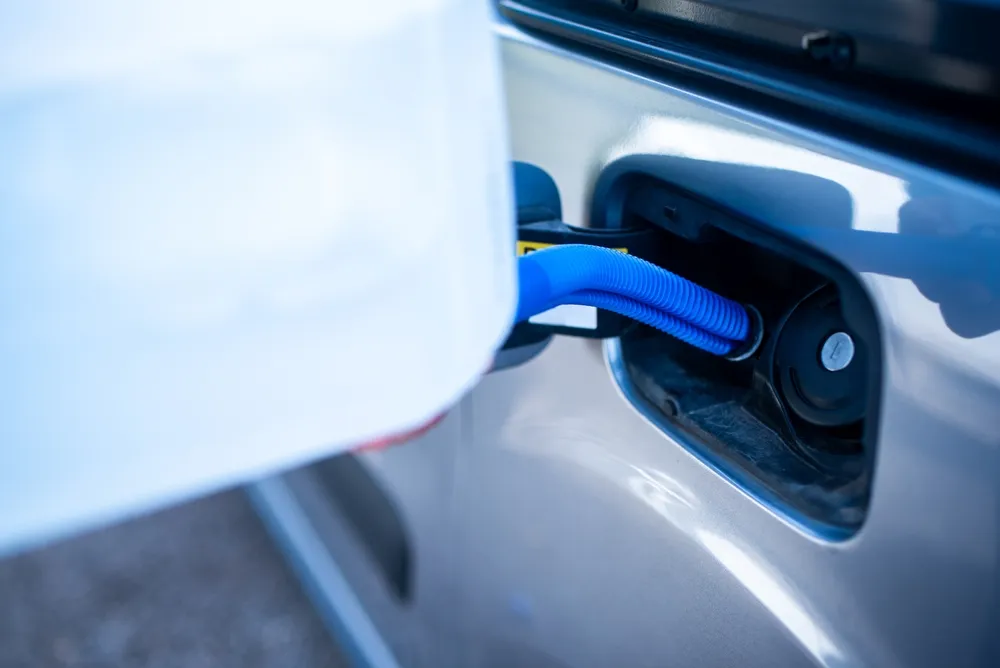
Many drivers are familiar with buying adblue in bottles or jerrycans and pouring it manually into the reservoir. However, “at the pump” implies a nozzle/dispenser system, much like a diesel refill station, where you can top up your adblue tank directly from a service station. This method offers convenience, speed, less mess, and is increasingly available on major fuel forecourts.
How Common Are AdBlue Pumps?
While bottled adblue remains widespread, more fuel stations and truck-friendly stops now offer adblue via a pump. For example, one major fuel provider reports more than 100 service locations with adblue pumped installations. This trend is driven by fleet demands and the need for faster, cleaner refills in higher-usage vehicles.
Where to Find AdBlue at the Pump
Knowing the right locations and what to look for helps you secure adblue topping up without hassle.
Identifying Stations with AdBlue Pumps
When seeking adblue at a pump, look for signage indicating “DEF”, “AdBlue”, “urea solution” or “SCR fluid”. Stations serving trucks or heavy diesel vehicles are more likely to have dedicated adblue dispensers. Many major fuel brand websites provide “find a station” maps with filters for adblue availability.
Geographic Variations & Accessibility
Availability varies by region, country and station size. Urban commuter stations may only carry bottled adblue, whereas motorway/truck-stop sites often support pump-dispensing. Also, some pumps may cater to large vehicles with big nozzles; check whether the nozzle fits your passenger-vehicle adblue tank.
Benefits and Limitations of Pumped AdBlue
Understanding the pros and potential caveats of pumping adblue helps you decide whether to use it or stick to containers.

Benefits of Pumped AdBlue
Pumped adblue means less manual handling, cleaner fill-ups, lower risk of spillage, and faster service. For fleet drivers, it can dramatically improve uptime. The convenience of topping up during a fuel stop reduces the chance of forgetting and ending up with a low adblue condition.
Limitations & Things to Watch
Despite the benefits, pumped adblue isn’t universal. Some stations may charge higher rates, or the pump might not be calibrated for small passenger vehicles. Also, using the wrong nozzle or confusing adblue with diesel can cause catastrophic damage. Always verify the dispenser is clearly labeled for adblue/DEF.
Quality Standards & What to Check Before Using a Pump
Ensuring the adblue you buy meets industry standards is critical for performance, system health and warranty compliance.
Why Quality Matters for AdBlue
Adblue is a urea-based solution that must meet specific standards (such as ISO 22241) to ensure compatibility with SCR systems. Poor quality or contaminated fluid can damage sensors, clog injectors, or degrade catalyst lifetime. The presence of a pump doesn’t guarantee quality—verification matters.
How to Confirm the Pumped AdBlue is Safe
Check that the facility states compliance with recognized standards (ISO 22241-1, DIN 70070 etc). Look for certification labels on the product, a well-maintained dispenser, and ask station staff if unsure. Using trusted suppliers like Azure Chemical ensures you avoid counterfeit or sub-par fluids.
Safely Refilling AdBlue at a Pump & Aftercare
Practical steps to fill your adblue via pump correctly and keep your vehicle running smoothly.
Step-By-Step: Using an AdBlue Pump
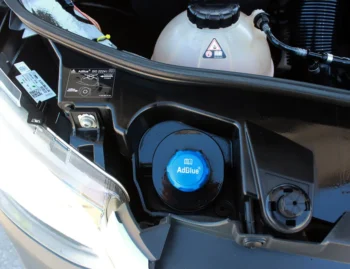
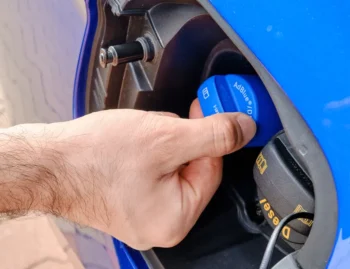
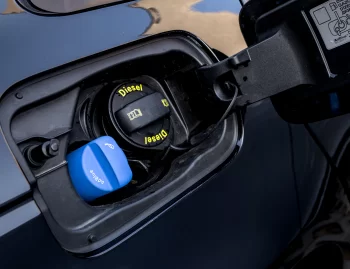
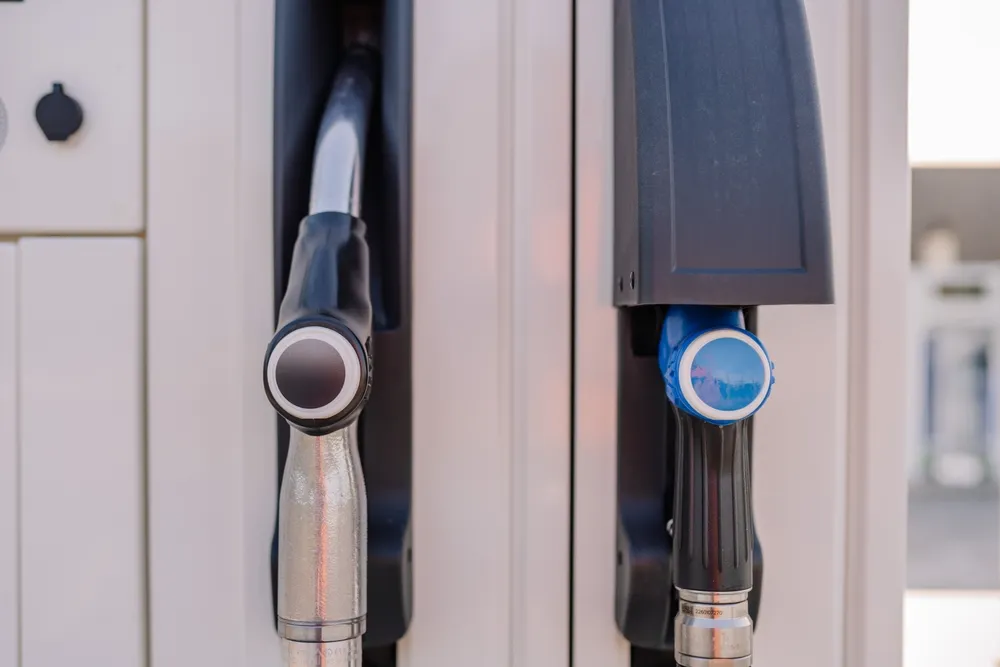
First, ensure the vehicle is parked safely and the engine turned off. Locate the adblue filler cap (often blue, near or separate from the fuel filler). Use a compatible nozzle from the adblue pump, fill to the recommended level per your vehicle handbook, and secure the cap afterward. Avoid mixing adblue with the diesel tank or filling the wrong fluid.
Post-Refill Checks & Monitoring
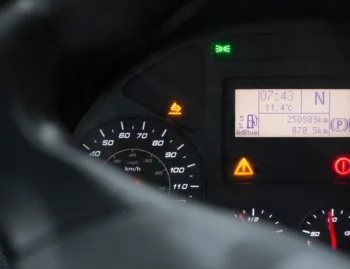
After topping up, monitor the adblue level indicator and drive for a short distance to allow the system to re-calibrate. Be alert for warning lights, unusual engine behaviour or messages that may indicate a refill issue. Clean any spillage promptly—adblue is harmless but can crystallise on surfaces and damage paintwork or components if left.
Frequently Asked Questions (FAQ)
Can any fuel station pump adblue?
Not all fuel stations have adblue pumps. Many still only offer bottles. Truck stops and major service stations are more likely to have dedicated adblue dispensers.
Is adblue the same price at a pump as in a bottle?
Prices may vary. Pumped adblue can be slightly more expensive due to infrastructure costs, but the convenience may outweigh the cost for many users.
Can I just fill my adblue tank with any urea solution from the pump?
No. You must use certified adblue that meets required standards (e.g., ISO 22241). Using uncertified fluid—even if pumped—can damage your system.
What if I accidentally use the diesel pump instead of the adblue pump?
This is a serious error. You must not use diesel in the adblue tank, and vice versa. If this happens contact a service agent immediately and do not drive the vehicle.
How much adblue does my vehicle use when refilling at a pump?
Usage depends on your engine, driving style, and tank size. Many vehicles use roughly 1–3% of diesel volume in adblue; check your handbook for specifics.
Conclusion
Accessing adblue at the pump is increasingly feasible, especially at stations that service heavy-duty diesel vehicles. While there are benefits such as convenience, speed and reduced mess, it remains essential to ensure quality, proper nozzle fit and certified fluid. For vehicles large and small, using the right adblue protects emissions systems, avoids breakdowns and ensures compliance with manufacturer warranties.
At Azure Chemical, we specialise in delivering premium-grade, ISO-certified diesel exhaust fluid (adblue) and supporting you with expert guidance. Whether you refill on the road using a dispenser or prefer bottled options, you can trust us for reliability, quality and service excellence. Make sure your next adblue top-up is backed by the expertise and authority of a provider dedicated to diesel vehicles and emission-system care. Schedule your DEF deliveries with Azure Chemical.