Contents
What DEF Actually Is—and Why It Exists
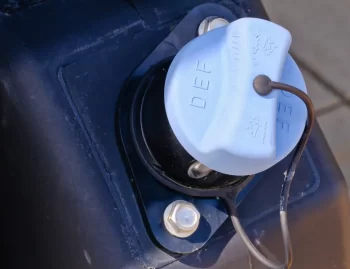
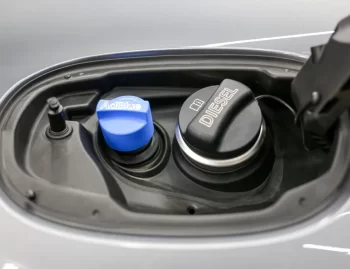
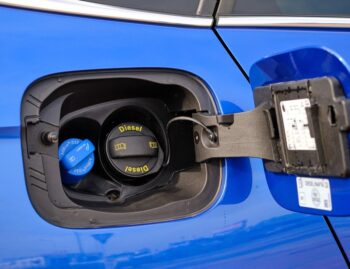
Diesel exhaust fluid was created for emissions control systems in modern diesel engines, not for plant nutrition, and it’s engineered around strict purity standards for machinery rather than soil biology.
Composition in Plain Language
Diesel exhaust fluid is a clear solution made from high-purity urea dissolved in deionized water at a standardized ratio. That consistency allows engines to reduce nitrogen oxides efficiently without harming critical components.
How It Works in a Vehicle, Not in Soil
Inside the exhaust stream, heat breaks DEF into ammonia that reacts on a catalyst to neutralize harmful gases. None of that chemistry translates to garden soils, where temperature, microbes, moisture, and timing control how nitrogen actually becomes plant-available.
Why Purity Standards Matter (but Not for Plants)
DEF’s strict manufacturing and storage rules protect sensitive metals and sensors. Those specs don’t make it a superior plant food; they just ensure the fluid behaves predictably in engines. Your garden needs balanced nutrition, not engine-grade purity.
Is DEF a Fertilizer? Short Answer: No
Although urea—the nitrogen source in DEF—also appears in some fertilizers, DEF is not formulated for agronomy and isn’t labeled for crop or garden use.
Fertilizer vs. DEF: Different Designs and Goals
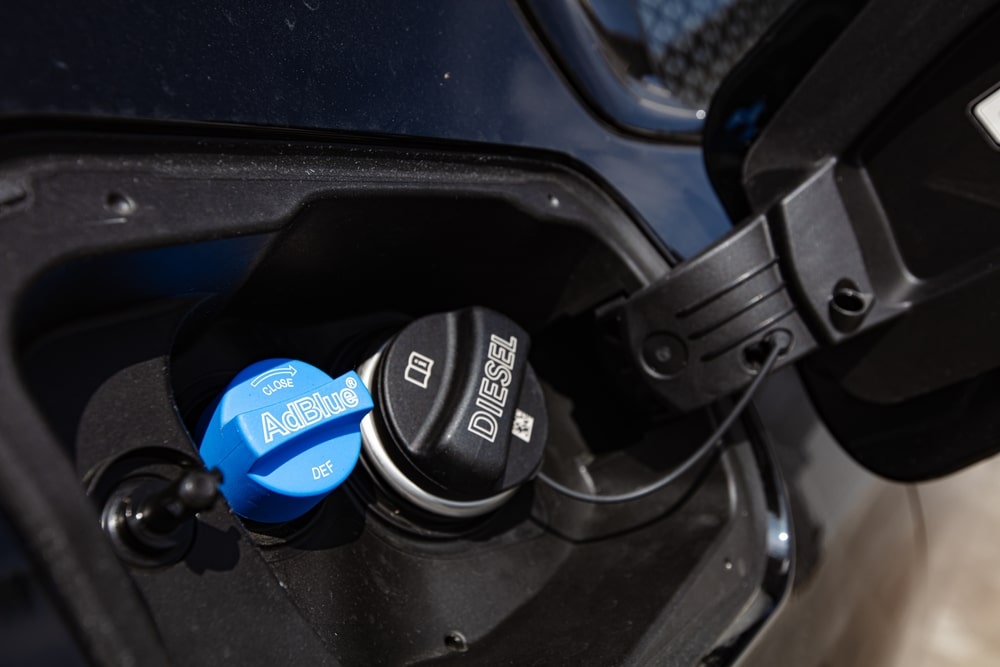
Fertilizers are labeled with nutrient analysis, rates, and safe application methods. DEF is designed to meet emissions standards. Using a product off-label in soil bypasses the agronomic guidance that prevents plant injury and environmental harm.
The Nitrogen Math and Why Uptake Isn’t Guaranteed
Even though DEF contains urea, plant uptake depends on placement, soil temperature, moisture, and microbial conversion. Poor timing or application can lead to volatile losses to the air or nitrogen washing below the root zone, giving you cost without benefit.
What Can Go Wrong in a Garden Setting
Direct contact with leaves or concentrated applications can scorch tissue. In the root zone, soluble salts can stress plants, stall growth, and desiccate roots. Excess nitrogen also throws off the balance of other nutrients, leading to deficiency symptoms despite “feeding.”
Potential Risks to Plants, Soil, and Water
Using DEF in gardens raises the risk of burn, soil imbalance, and nutrient loss that can end up in groundwater and nearby streams.
Leaf and Root Burn from Soluble Salts
High-solubility nitrogen sources can pull moisture out of roots and leaf tissue, producing yellowing, browning, curl, and dieback—especially in heat or drought when salts concentrate near roots and on foliage.
Soil Imbalance and Microbial Disruption
Dumping a quick-release nitrogen source into soil can spike ammonium and pH at the microsite, briefly stressing microbes that help cycle nutrients. Repeated misapplications may leave soil biology less resilient and plants more prone to swings in growth.
Nitrate Leaching and Local Waterways
Once urea converts to nitrate, it can move with water beyond the root zone. In coarse or saturated soils, this loss is common. The result is wasted money and the potential for nutrient pollution downstream.
Better Ways to Feed Your Garden
Skip the improvisation. Choose nutrient sources labeled for plants and apply them according to crop needs and soil tests.

Use Real Fertilizers Matched to Crop Needs
Vegetable beds, lawns, and ornamentals vary widely in nitrogen demand. Select a fertilizer that matches your plants and growth stage—slow-release for steady feeding, or balanced blends if other nutrients are needed.
Soil Testing for Right-Sized Nitrogen
A simple soil test guides how much nitrogen to add and whether phosphorus and potassium are actually required. This prevents over-application and reduces burn and leaching risks.
Timing, Watering, and Safety Practices
Apply on moist soil, then water in to move nutrients into the root zone. Avoid hot, dry afternoons that amplify foliar burn. Keep products off leaves unless the label specifically allows foliar feeding at safe concentrations.
Cost and Nutrient Reality Check: DEF vs. Common Fertilizers
When you compare nitrogen content and price, DEF isn’t a smart buy for home gardens and lawns.
How Much N Is in DEF Compared to Typical Fertilizers
Because DEF is mostly water, its effective nitrogen percentage is far lower than granular urea or complete fertilizers designed for plants. You’d need much more volume to deliver the same nitrogen, increasing cost and application error potential.
Price Comparisons That Matter at Home Scale
Per pound of nitrogen, consumer fertilizers are typically far more economical. DEF’s convenience at a fuel aisle doesn’t translate to value once you calculate how much nitrogen you’re actually delivering to the soil.
Why Convenience Isn’t Value Here
The absence of garden-specific instructions, plus the risk of leaf burn and runoff, makes DEF a poor substitute. Purpose-built fertilizers give clearer rates, safer handling, and better outcomes.
Home Handling, Storage, and Spill Tips
If you keep DEF for vehicles at home, store and handle it properly—and keep it completely separate from garden supplies.
Storage and Container Materials
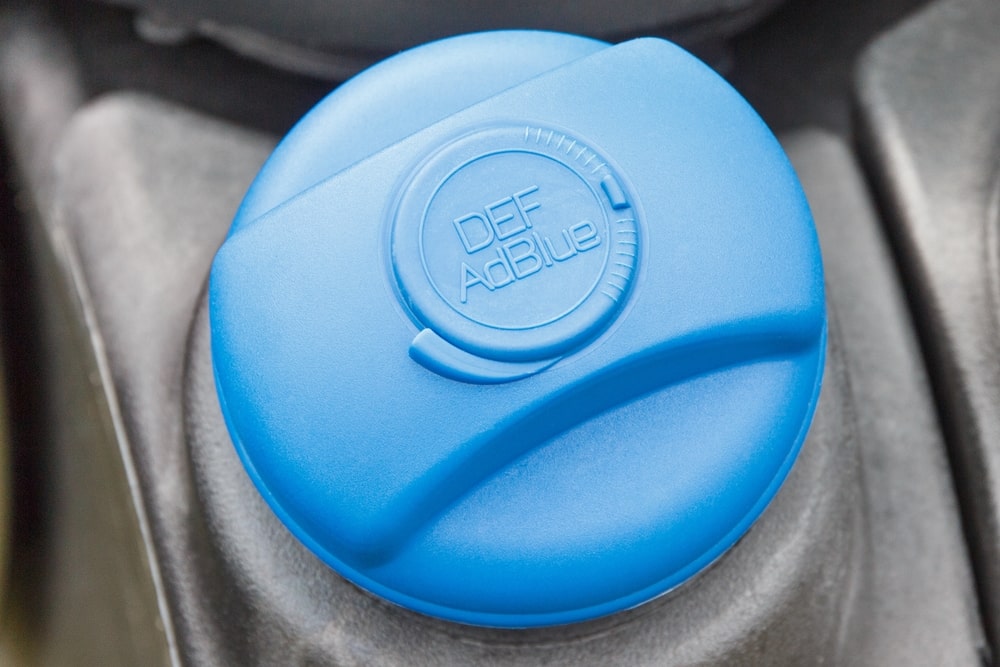
DEF can corrode certain metals, so manufacturers specify compatible plastics and stainless steel. Keep containers sealed, out of sun, and within recommended temperature ranges to maintain quality.
What to Do If DEF Spills on Soil or Hardscape
Small spills on hard surfaces should be diluted and rinsed to prevent crystallization and slick residue. On soil, remove any pooling solution, flush the area with water to disperse concentration, and keep the runoff away from planting beds and storm drains.
Keeping DEF Away from Your Garden Routine
Never decant DEF into watering cans or sprayers you also use for plants. Color-code or label containers to avoid cross-use, and store automotive products separately from garden inputs.
FAQs
Can DEF ever be used on plants in a pinch?
No. It’s not labeled for plant use, and the risks of burn, imbalance, and runoff outweigh any perceived benefit.
If DEF contains urea, isn’t that the same as fertilizer?
Urea appears in fertilizers, but DEF is engineered for emissions systems. Garden fertilizers include rates and directions tuned for soil and crops; DEF does not.
What happens if a little DEF splashes into a bed?
Flush with water to dilute and disperse. Monitor plants for stress and avoid further nitrogen additions until normal growth resumes.
Is DEF “safer” because it’s high-purity?
Purity protects engine components. It doesn’t reduce plant burn risk or prevent nutrient loss in soil.
What should I use instead of DEF to green up a lawn or veggie patch?
Pick a fertilizer labeled for your plants, follow the rate on the bag, water in after application, and base future feeding on a soil test.
Conclusion
DEF is indispensable for modern diesel engines, but it isn’t a garden fertilizer. If you manage diesel equipment and tend a garden, keep those roles separate. For dependable, specification-grade fluid, Azure Chemical supplies high-quality DEF backed by guidance on safe storage and handling. For plant nutrition, rely on labeled fertilizers and soil tests—your plants, soil life, and local waterways will thank you. If you have questions about DEF quality, compatibility, or best practices, Azure Chemical’s team is here to help. Contact us today.