Contents
- 1 Why Excessive Idling Matters in DEF Trucks
- 2 Increased DEF Consumption and Inefficient Dosing
- 3 Fuel Waste and Higher Operating Costs
- 4 Emissions Problems Triggered by Long Idling
- 5 Exhaust System Damage and After-Treatment Stress
- 6 Impact on Fleet Productivity and Compliance
- 7 Effects on DEF Quality and Storage Conditions
- 8 FAQs About DEF Trucks Left Running Too Long
- 9 Conclusion
Why Excessive Idling Matters in DEF Trucks
Before diving into specific consequences, it’s important to understand that idling affects multiple systems at once — fuel, emissions, engine components, and DEF consumption.
How DEF Trucks Respond During Extended Idle Time
When a DEF-equipped truck idles, exhaust temperatures drop. SCR systems depend on heat to convert DEF into ammonia and reduce NOx emissions. Low exhaust temperatures interfere with this process, leading to incomplete DEF reactions and increased soot accumulation. Over time, these effects create mechanical and emissions-related problems that drivers may not notice immediately.
Why DEF and SCR Systems Aren’t Designed for Long Idle Cycles
SCR systems were engineered for on-road, under-load operation where exhaust temperatures remain consistently high. Prolonged idling interferes with proper dosing of def, causes moisture buildup, and increases the chance of injector crystallization. Because DEF doesn’t vaporize correctly at lower temperatures, the system becomes stressed rather than supported.
Increased DEF Consumption and Inefficient Dosing
Long idle periods force the system to adjust DEF dosing, often leading to inefficiency or improper def use.
Overdosing or Underdosing DEF During Idle
During extended idling, the exhaust temperature may be too low for DEF to fully react. In some scenarios, the system continues injecting def in an attempt to maintain NOx conversion targets, which wastes fluid and leads to incomplete reactions. Underdosing is equally possible, triggering fault codes or pushing the engine into NOx non-compliance mode.
Crystallization Risks in DEF Injectors
When def is sprayed into a cool exhaust stream, it may crystallize rather than vaporize. This buildup can clog the DEF injector, resulting in reduced dosing accuracy, misfires in the SCR catalyst, and contaminated injector tips. Cleaning or replacing DEF injectors can be costly and require downtime.
Fuel Waste and Higher Operating Costs
Unnecessary idling harms operational expenses — often more than operators realize.
Excessive Fuel Burn from Prolonged Idle Times
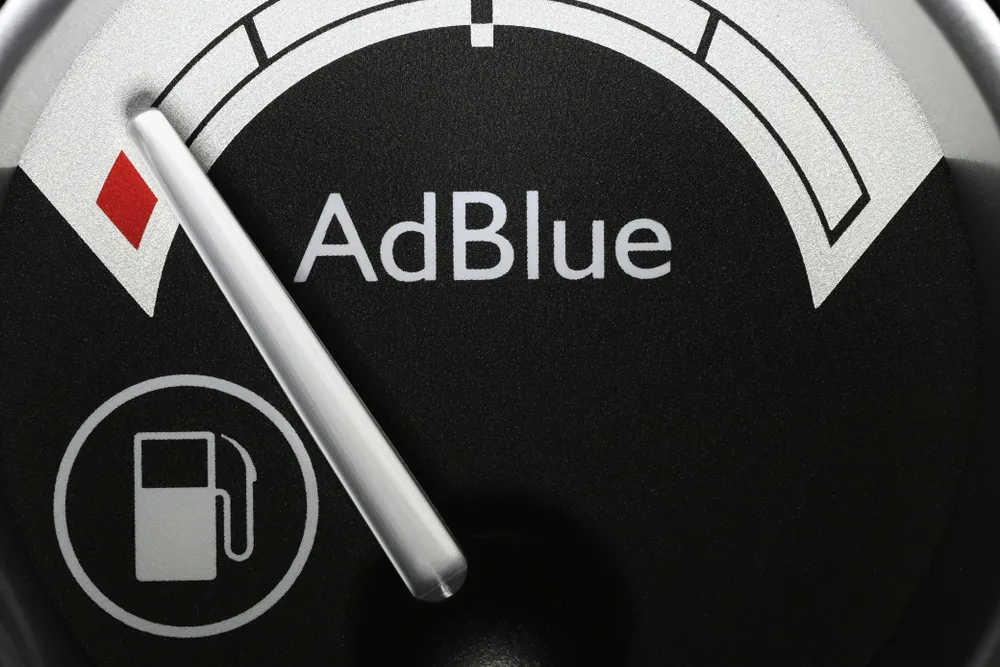
Diesel engines burn a surprising amount of fuel even while idling. Prolonged idle hours increase fuel usage without generating mileage or productive output. For fleets, a few trucks idling for extended periods can translate into thousands in annual fuel losses.
Increased Wear on Engine Components
Leaving a DEF truck running too long strains components such as the turbo, EGR system, exhaust valves and after-treatment sensors. Since fuel combustion is incomplete at idle, carbon buildup accelerates and causes avoidable repairs.
Emissions Problems Triggered by Long Idling
While DEF exists to reduce NOx emissions, excessive idling undermines that function.

Reduced SCR Conversion Efficiency
SCR systems require specific temperature ranges to convert NOx effectively. When a truck idles for too long, the exhaust cools, and the catalyst cannot perform optimally. DEF injected at these low temperatures does not fully convert, leading to higher NOx levels and potential emissions violations.
Risk of Fault Codes and Derate Conditions
Engines equipped with DEF systems monitor NOx and SCR performance closely. Extended periods of low SCR efficiency can trigger dashboard warnings, fault codes, or eventually engine derate conditions. A derate may limit engine power until the operator resolves the underlying issue.
Exhaust System Damage and After-Treatment Stress
Long idle times don’t just waste DEF — they accelerate wear on critical components.
Soot Accumulation in DPF and Exhaust Paths
Low exhaust temperatures during extended idling prevent the DPF (Diesel Particulate Filter) from regenerating properly. As soot accumulates, the truck may require forced regeneration, raising maintenance time and costs. In extreme cases, neglect leads to clogged filters that require replacement.
Moisture Buildup and Corrosion Risks
Cooler exhaust temperatures encourage condensation inside the exhaust system. This moisture interacts with diesel byproducts and unreacted def, forming corrosive compounds that damage pipes, sensors and internal catalyst surfaces.
Impact on Fleet Productivity and Compliance
Prolonged engine idle time also affects operational efficiency and legal compliance.

Unnecessary Hours Logged on Engine and After-Treatment Systems
Idling adds nonproductive engine hours, accelerating wear and shortening service intervals. This directly impacts fleet scheduling, depreciation, and resale value of the equipment. Many fleets underestimate how costly idle hours can be.
Risk of Violating Anti-Idling Regulations
Many regions enforce anti-idling laws with fines for noncompliance. DEF trucks left running too long can inadvertently violate these rules, especially in urban areas, near schools or within emission-sensitive zones.
Effects on DEF Quality and Storage Conditions
Extended operation can affect the DEF tank and fluid quality itself.
Temperature Fluctuations Inside DEF Tanks
Idling near extreme heat sources or in hot weather can raise tank temperatures and accelerate DEF degradation. DEF that degrades loses its specified concentration and may trigger system alerts.
Increased Risk of Contamination Due to Pump Cycling
During prolonged operation, pumps cycle more frequently, increasing the chance of introducing airborne particles or moisture contamination. Contaminated def can harm sensors and SCR catalysts.
FAQs About DEF Trucks Left Running Too Long
Does leaving a DEF truck idling burn more DEF?
It can. Improper dosing during low-temperature idling may waste DEF or cause incomplete reactions.
Can long idle times damage the DEF injector?
Yes. Low exhaust temperatures promote crystallization that clogs injector tips.
Does idling affect emissions compliance?
Absolutely. Poor SCR efficiency during idle can raise NOx emissions and trigger fault codes.
Can extended idling cause a derate?
Yes. If the system detects poor SCR performance or NOx control, a derate may activate.
Avoid unnecessary idling, perform regular SCR and DPF maintenance, and always use high-quality DEF from trusted suppliers.
Conclusion
Leaving a DEF truck running for too long may seem harmless, but the consequences can be substantial. From wasted fuel and excessive DEF consumption to clogged injectors, poor SCR performance, increased soot buildup and emissions non-compliance, extended idling creates risks that quickly turn into expensive maintenance issues. Staying aware of these effects enables owners and fleet managers to protect their equipment and keep their diesel engines running efficiently.
Azure Chemical supports operators with high-quality def that meets strict purity and performance requirements, helping protect SCR systems and ensure dependable emissions control. Whether you’re managing a fleet or maintaining a single vehicle, Azure Chemical provides the DEF solutions you need to keep engines clean, efficient and compliant; so contact us today for your deliveries.