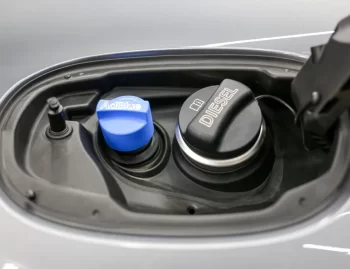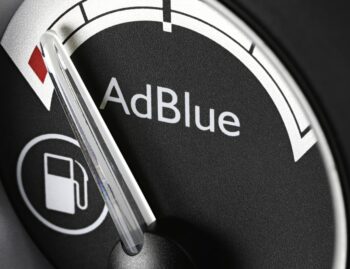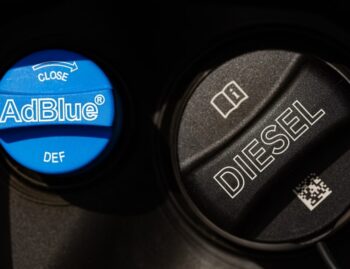

In this article, we’ll walk through what DEF is, what happens when it ends up in the wrong place, the risks to your engine and fuel system, and what you should do immediately if you misfuel with DEF.
Contents
- 1 What DEF Actually Is – and Why It Never Belongs in the Fuel Tank
- 2 Will My Truck Run If I Put DEF in the Gas Tank?
- 3 Immediate Steps to Take After Putting DEF in the Gas Tank
- 4 Potential Damage from Running on DEF-Contaminated Fuel
- 5 Insurance, Warranty and Cost Considerations
- 6 How to Prevent DEF Misfueling in the First Place
- 7 Role of High-Quality DEF in Overall System Reliability
- 8 FAQs About Putting DEF in the Gas Tank
- 8.1 Will my truck still run if I accidentally put DEF in the fuel tank?
- 8.2 What should I do immediately after putting DEF in the gas tank?
- 8.3 Can I just dilute the DEF with more diesel and keep driving?
- 8.4 Will my warranty cover damage from DEF in the fuel tank?
- 8.5 How can I prevent accidentally putting DEF in the gas tank again?
- 9 Conclusion
What DEF Actually Is – and Why It Never Belongs in the Fuel Tank
Before you can understand the consequences, you need a clear picture of what def is designed to do and where it is supposed to go.
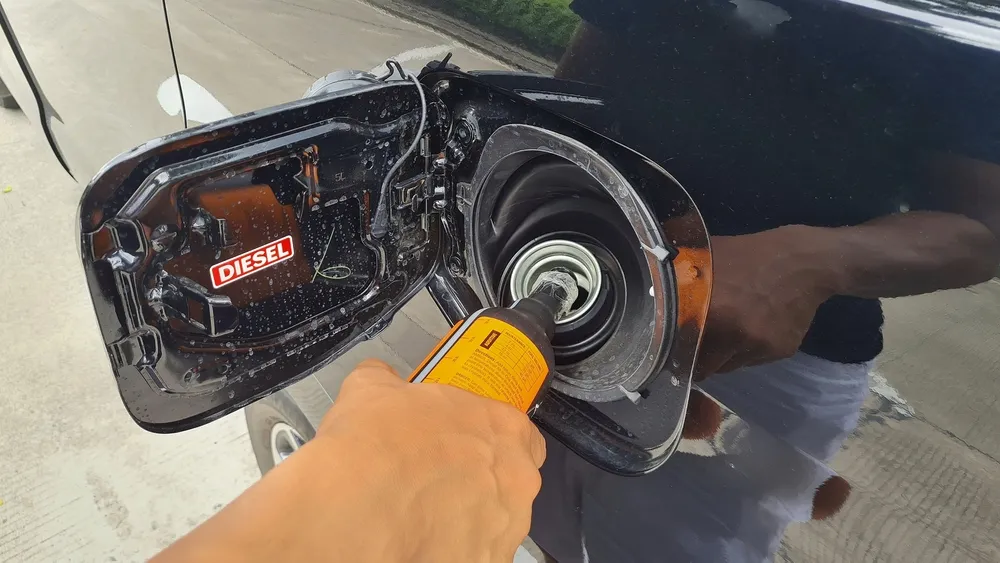
DEF’s Job in the Exhaust System, Not the Engine
DEF is a carefully formulated mixture of ultra-pure urea and deionized water used only in the exhaust after-treatment system of modern diesel engines. It is injected into the hot exhaust stream, where it converts into ammonia and helps the SCR (Selective Catalytic Reduction) catalyst turn harmful NOx emissions into nitrogen and water. At no point is def meant to enter the engine cylinders, the fuel system, or the gas tank. Those components are designed for diesel fuel only, not a water-rich chemical solution.
Why DEF and Fuel Systems Don’t Mix
Fuel injectors, high-pressure pumps, lines and seals are engineered for lubricating diesel fuel, not corrosive, water-heavy fluids. Def contains a high percentage of water and dissolved urea salts. Inside a fuel system, that water strips lubrication, and the urea can crystallize. The result is rapid corrosion, rust, and internal damage. Even small amounts of def in the gas tank can lead to serious problems if the engine is started and the contaminated fuel circulates.
Will My Truck Run If I Put DEF in the Gas Tank?
This is the question everyone asks first, but the more important question is whether it should run at all after def contamination.
It Might Start – But That’s a Bad Sign
If you added just a very small amount of def to a nearly full fuel tank, the truck may still start and run briefly. However, that does not mean everything is fine. As the fuel pump pulls the contaminated mixture through the system, water and def will circulate through lines, filters and injectors. The more the truck runs with def in the fuel, the more extensive the internal damage can become. In other words, the fact that the truck runs does not mean it is safe to keep driving.
When the Truck Won’t Start or Stalls Quickly
If a larger amount of def entered the tank, the engine may fail to start at all or may start and then stall quickly. While this can feel alarming, it is often preferable to prolonged operation on contaminated fuel. A quick stall may mean the def-contaminated mixture never circulated as far, limiting the area needing repair. In either case, once you realize def has entered the tank, the safest option is to turn the engine off, if it is running, and avoid restarting it.
Immediate Steps to Take After Putting DEF in the Gas Tank
Quick, calm action can dramatically reduce the damage once you know def has been misfueled.
Do Not Start the Engine – Or Shut It Down Immediately
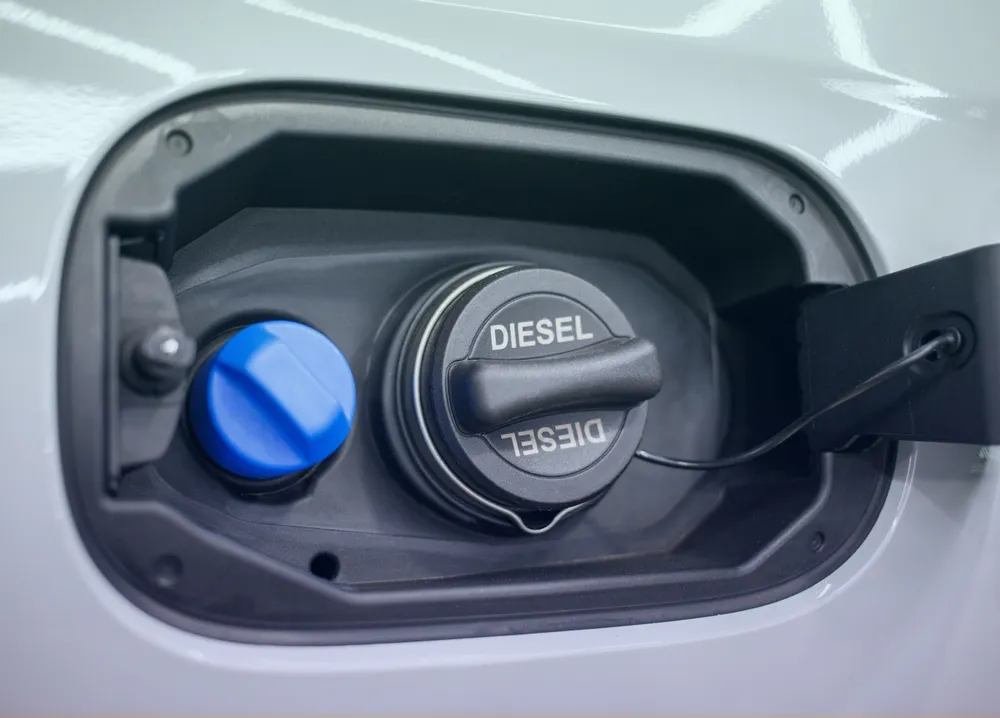
If you realize during filling that def went into the fuel tank instead of the DEF tank, do not start the truck. If the engine is already running when you notice the mistake, shut it down as soon as it is safe to do so. Running the engine allows def to be pulled through the fuel system. Once the contaminated mixture hits the high-pressure pump and injectors, damage can escalate rapidly.
Arrange for Professional Towing and Fuel System Draining
The next step is to arrange a tow to a qualified diesel repair shop. The entire fuel system should be inspected, drained and cleaned. Depending on how much def entered and whether the engine ran, components like fuel filters, fuel lines, injector pumps and injectors may need to be flushed, repaired, or replaced. Trying to “dilute” the def with more fuel and drive as usual is risky and can turn a manageable misfueling incident into a very expensive repair.
Potential Damage from Running on DEF-Contaminated Fuel
Once def has circulated through a running engine’s fuel system, a number of expensive failures can follow.
Corrosion and Wear in Fuel Pumps and Injectors
Def contains water, and water inside a diesel fuel system is a serious problem. It strips away the lubricating film that diesel fuel normally provides to high-precision parts, leading to metal-on-metal contact. At the same time, the urea and dissolved minerals can accelerate corrosion. The combination of poor lubrication and corrosion can damage high-pressure fuel pumps and injectors, sometimes requiring complete replacement.
Crystallization, Clogging and Filter Damage
When def dries or is heated improperly in areas it doesn’t belong, the urea can crystallize into solid deposits. Inside fuel filters, injectors and small passages, these crystals can plug pathways and prevent proper fuel flow. This may cause hard starting, rough running or complete engine shutdown. Fuel filters can become saturated and will need to be replaced, and lines may need to be flushed or swapped out if blocked.
Insurance, Warranty and Cost Considerations
Misfueling with def isn’t just a mechanical issue — it has financial and warranty implications too.
Warranty Limitations and Misfueling
Most engine and after-treatment warranties explicitly exclude damage caused by improper fluids, including putting def in the fuel tank. If an inspection shows clear evidence of def contamination in fuel components, manufacturers are unlikely to cover repairs under warranty. That means the owner or operator may be responsible for the full cost of fuel system repairs or replacements.
Insurance Coverage and Documentation
Some commercial policies or misfueling-specific coverage may help with the cost of draining and repairing a def-contaminated fuel system. To support a claim, carefully document the incident, retain receipts for DEF and fuel purchase, and ask the repair facility for a detailed report of findings and work performed. Being honest and transparent with your mechanic and insurer improves the chances of a smoother resolution.
How to Prevent DEF Misfueling in the First Place
The best way to deal with def in the gas tank is to avoid it ever happening at all.
Clear Labelling and Filling Habits
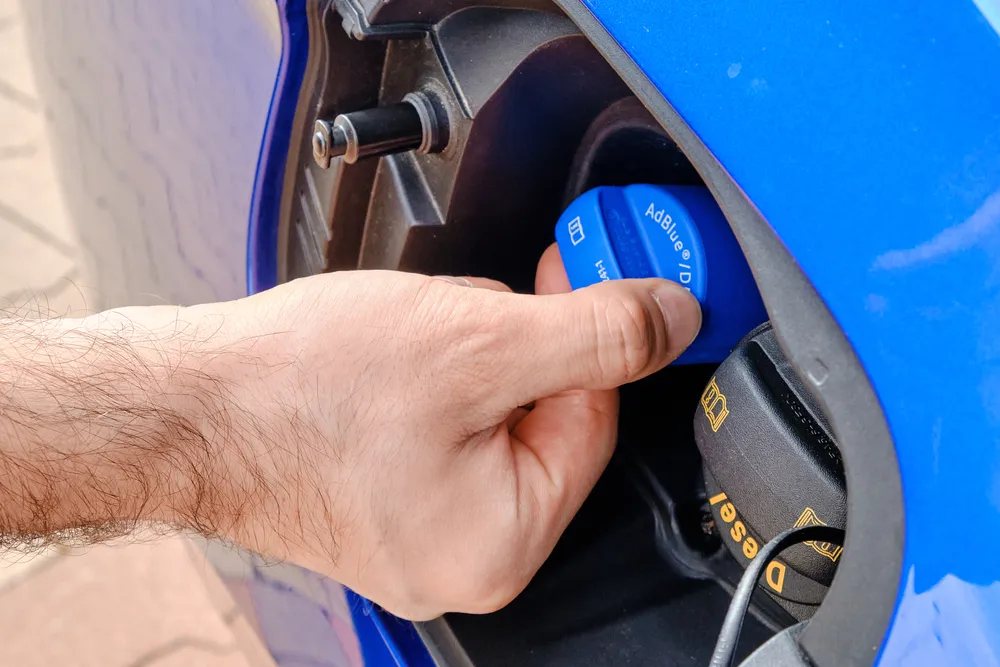
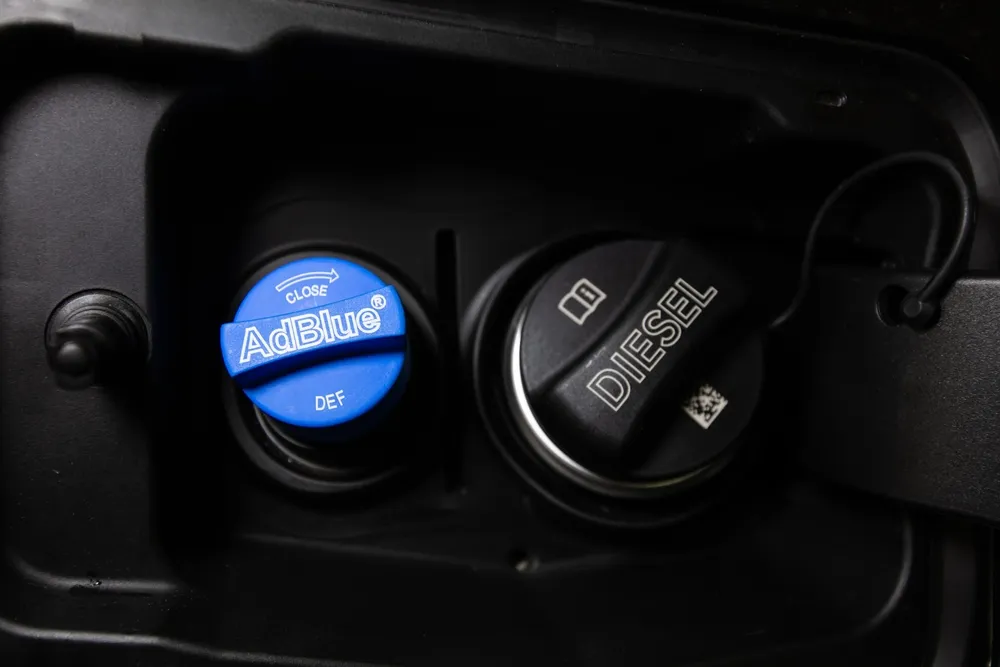
Start with simple but effective habits. Clearly label the DEF tank cap and the fuel cap on your truck if they aren’t already. Make it a routine to visually confirm the cap you’re opening before you pump anything. Train all drivers, especially new or temporary ones, on the difference between the DEF tank and the fuel tank and the consequences of mixing them. Small procedural checks go a long way toward avoiding a big def mistake.
Using Compatible Nozzles and Controlled DEF Storage
Where possible, use dedicated DEF dispensing equipment with nozzle shapes that make it harder to fit into a fuel filler neck. Store def in clearly marked containers, separate from fuel containers, and keep them in a clean, organized area. Avoid transferring def from unmarked or re-used fuel containers, which can cause confusion and increase the risk of misfueling.
Role of High-Quality DEF in Overall System Reliability
Although def itself is not meant for the fuel system, using high-quality DEF remains critical for the parts of your truck that are designed for it.
Why DEF Quality Still Matters Even After a Misfuel Incident
Once the fuel system has been cleaned and repaired, your SCR system still depends on def in the exhaust after-treatment. Poor quality DEF can cause injector crystal buildup, catalyst damage and NOx sensor issues. Using high-purity DEF helps ensure that the only time you have DEF-related problems is when it’s a human error like misfueling — not ongoing chemical or contamination issues.
How Azure Chemical Supports DEF Safety and Best Practices
Azure Chemical specializes in producing and supplying high-quality def that meets stringent purity requirements. Beyond just selling fluid, they help customers understand correct handling, storage and usage to minimize the risk of mistakes like putting def in the gas tank. By combining reliable DEF supply with practical guidance, Azure Chemical supports safer, more efficient operation for fleet owners and individual drivers alike.
FAQs About Putting DEF in the Gas Tank
Will my truck still run if I accidentally put DEF in the fuel tank?
It might start and run briefly if the amount of def was small, but continuing to run it risks serious damage. Once you realize what happened, shut the engine off and arrange for a professional inspection and fuel system drain.
What should I do immediately after putting DEF in the gas tank?
Do not start the engine. If it’s already running, turn it off as soon as possible. Then have the vehicle towed to a qualified diesel repair shop to drain and inspect the fuel system.
Can I just dilute the DEF with more diesel and keep driving?
No. Dilution does not remove the water and urea; it only spreads them through the system. This can lead to severe corrosion, injector damage and pump failure.
Will my warranty cover damage from DEF in the fuel tank?
In most cases, manufacturers consider misfueling to be user error and do not cover resulting damage under standard warranty. Some insurance policies may offer partial coverage, but that depends on your specific policy.
How can I prevent accidentally putting DEF in the gas tank again?
Clearly label caps and containers, train all drivers, use dedicated DEF dispensers, and double-check the filler neck before pumping any fluid. Simple habits significantly reduce the risk of misfueling with def.
Conclusion
Accidentally putting def in your truck’s fuel tank is a high-stress situation, but what you do next determines how serious and expensive the outcome will be. While the truck may still run briefly with minor contamination, each minute of operation spreads DEF through sensitive fuel components, increasing the risk of corrosion, clogging and major failures. The safest approach is always to stop the engine, avoid restarting, and have the fuel system professionally drained, cleaned and inspected.
Azure Chemical is committed to helping drivers and fleet operators use def safely and effectively. By providing high-purity diesel exhaust fluid, best-practice guidance, and a solid understanding of how DEF systems work, Azure Chemical supports cleaner emissions, better engine reliability and fewer costly mistakes. If you rely on DEF-equipped trucks, partnering with a knowledgeable DEF provider is one of the smartest steps you can take to protect your vehicles and your bottom line. Schedule your DEF deliveries with Azure today.