
Contents
- 1 What Is AdBlue and How Does It Work in Diesel Engines?
- 2 Do Passenger Cars Use AdBlue?
- 3 What Are the Benefits of AdBlue in Passenger Cars?
- 4 How Do You Know if Your Car Uses AdBlue?
- 5 How to Maintain and Refill AdBlue in Your Car
- 6 Additional Insight: The Future of AdBlue in Passenger Cars
- 7 AdBlue and Diesel Exhaust Fluid (DEF) in North America
- 8 Frequently Asked Questions
- 9 Conclusion
What Is AdBlue and How Does It Work in Diesel Engines?
Before understanding whether passenger cars use AdBlue, it’s essential to understand what it is and how it functions in modern diesel engines.
AdBlue is a non-toxic, colorless solution made up of 32.5% urea and 67.5% deionized water. It plays a crucial role in the Selective Catalytic Reduction (SCR) system of diesel engines to reduce harmful NOx emissions.
The Role of AdBlue in Diesel Engines
In diesel engines, AdBlue is injected into the exhaust system before the gases reach the SCR catalyst. Once injected, the heat from the exhaust breaks down the AdBlue into ammonia, which then reacts with the NOx emissions to transform them into nitrogen and water vapor. This chemical process significantly reduces the level of harmful pollutants emitted into the environment. By using AdBlue, diesel engines can meet the strict standards set by regulations such as Euro 6 and BS6, making it a vital component in modern diesel vehicles.
AdBlue and Emission Control
The introduction of AdBlue and SCR technology in diesel vehicles has been one of the most significant advancements in reducing vehicle emissions.
As global environmental standards become more stringent, AdBlue has become a key solution for ensuring that diesel engines stay within permissible NOx limits. By using AdBlue, diesel vehicles are able to deliver improved air quality and a smaller environmental footprint.
Do Passenger Cars Use AdBlue?
With tightening regulations and stricter emissions standards, many modern passenger cars now use AdBlue to comply with environmental laws. While not all passenger cars use it, AdBlue has become increasingly common in newer diesel vehicles due to regulatory requirements in regions like Europe and North America.
Diesel Vehicles and the Need for AdBlue
The use of AdBlue is primarily seen in diesel-powered vehicles that are equipped with SCR systems. These systems are designed to reduce the nitrogen oxides emissions produced by diesel engines. Diesel engines are known for their fuel efficiency, but they also produce higher amounts of NOx, which can contribute to air pollution. AdBlue is injected into the exhaust system to neutralize these harmful emissions, which is why it is so important in ensuring diesel vehicles comply with emissions regulations.
Passenger Cars and AdBlue Requirements
As of 2015, many passenger cars with diesel engines, particularly those manufactured by brands such as Audi, BMW, Mercedes-Benz, and Volkswagen, have been equipped with SCR systems that use AdBlue. In regions with strict emission regulations, like Europe, it is common to see new diesel cars equipped with AdBlue systems. However, the specific need for AdBlue depends on the make, model, and engine type of the car. It’s important for owners of diesel passenger cars to check their vehicle’s specifications to confirm if it requires AdBlue.
What Are the Benefits of AdBlue in Passenger Cars?
AdBlue isn’t just a compliance tool—it also brings multiple benefits to diesel passenger cars, including improved engine performance, reduced emissions, and better fuel efficiency. Let’s explore these advantages.
Reducing Harmful Emissions
The main benefit of AdBlue is its ability to significantly reduce NOx emissions from diesel engines. By injecting the solution into the exhaust system, AdBlue helps transform harmful NOx into harmless nitrogen and water vapor. This ensures that diesel vehicles meet strict emissions standards such as Euro 6 and BS6, preventing pollutants from being released into the atmosphere.
Improved Engine Efficiency and Longevity
SCR systems that use AdBlue enable diesel engines to run at higher combustion temperatures, which can improve engine efficiency. This optimized engine operation leads to better fuel economy, as the engine is able to burn fuel more efficiently while maintaining lower emissions. Additionally, using AdBlue helps protect the engine from the buildup of harmful deposits, potentially extending its lifespan.
Compliance with Emission Standards
In regions with strict emission regulations, AdBlue is essential for compliance. Without it, many diesel vehicles would not meet the NOx emissions limits set by governments, potentially resulting in fines or even disqualification from road usage. By using AdBlue, diesel cars can operate within the required emission parameters and avoid legal issues.
How Do You Know if Your Car Uses AdBlue?
If you’re unsure whether your passenger car uses AdBlue, there are a few simple steps you can take to determine if it’s required.
Checking the AdBlue Tank
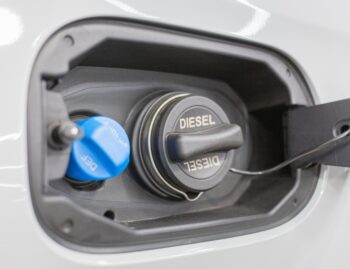
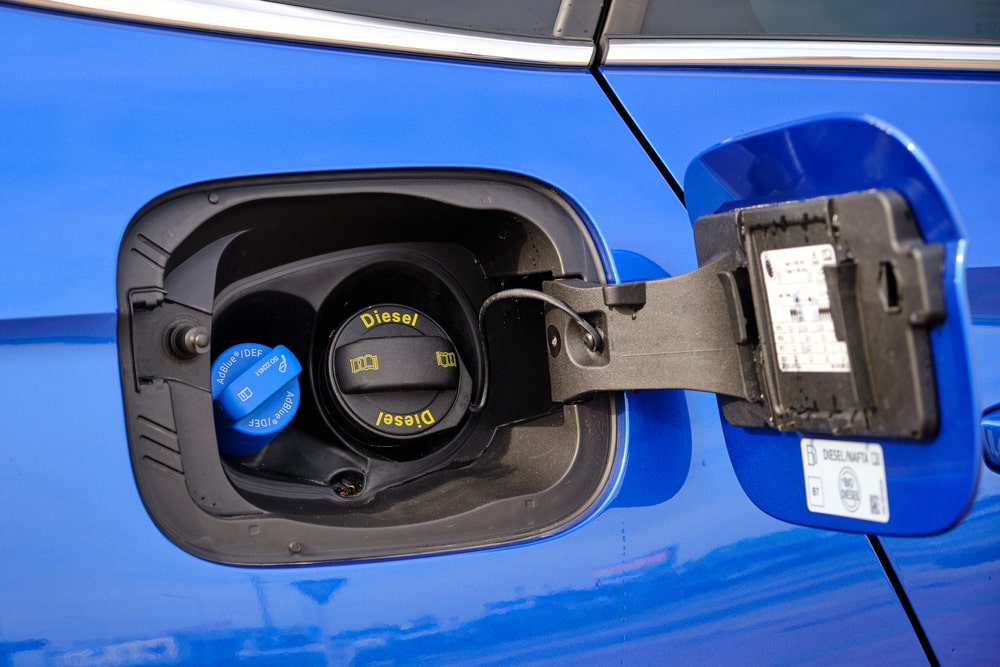
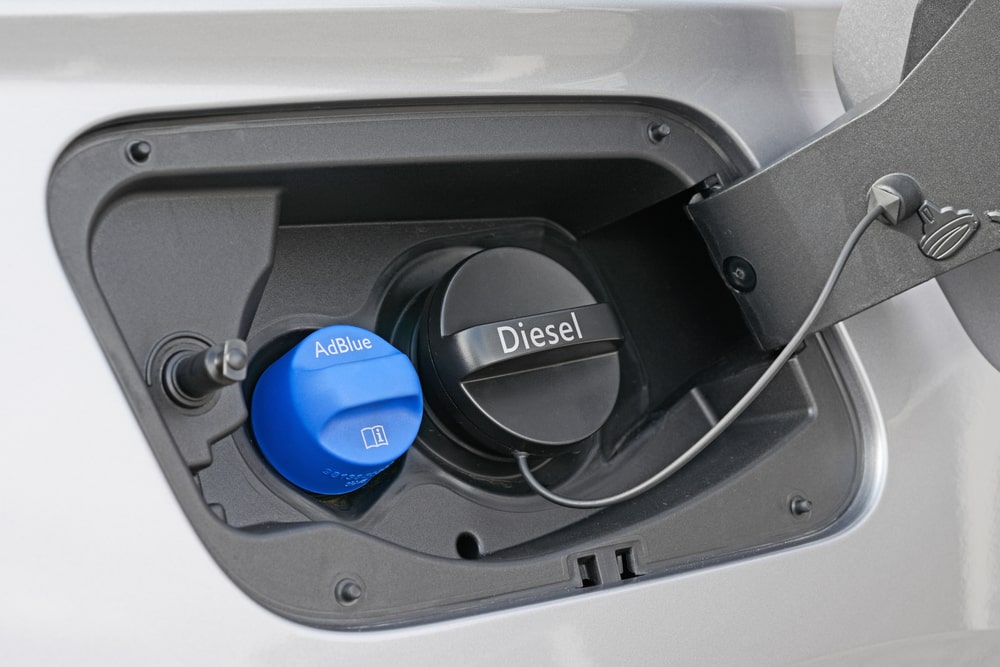
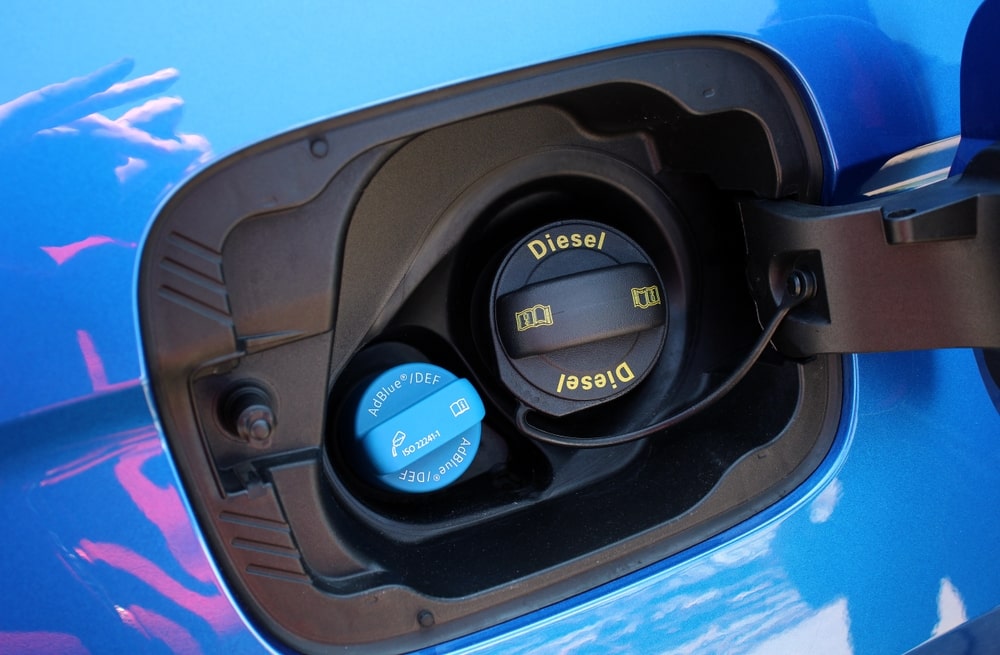
One of the simplest ways to check if your car uses AdBlue is by inspecting the vehicle’s fuel tank. Vehicles that use AdBlue typically have a separate tank dedicated to this fluid. The AdBlue tank is often located near the diesel fuel filler cap, and it may have a blue cap to differentiate it from the regular fuel tank. If your car has this blue cap, then it most likely requires AdBlue.
Refer to Your Owner’s Manual
For the most accurate information, refer to your vehicle’s owner’s manual. This will tell you whether your car is equipped with an SCR system and whether AdBlue is needed. The manual will also provide details on the type of AdBlue to use and how often you will need to refill the tank.
How to Maintain and Refill AdBlue in Your Car
Maintaining the AdBlue fluid level in your car is an easy yet important task. Low AdBlue levels can trigger warning lights on your dashboard and can even cause your car to enter “limp mode” if not addressed.
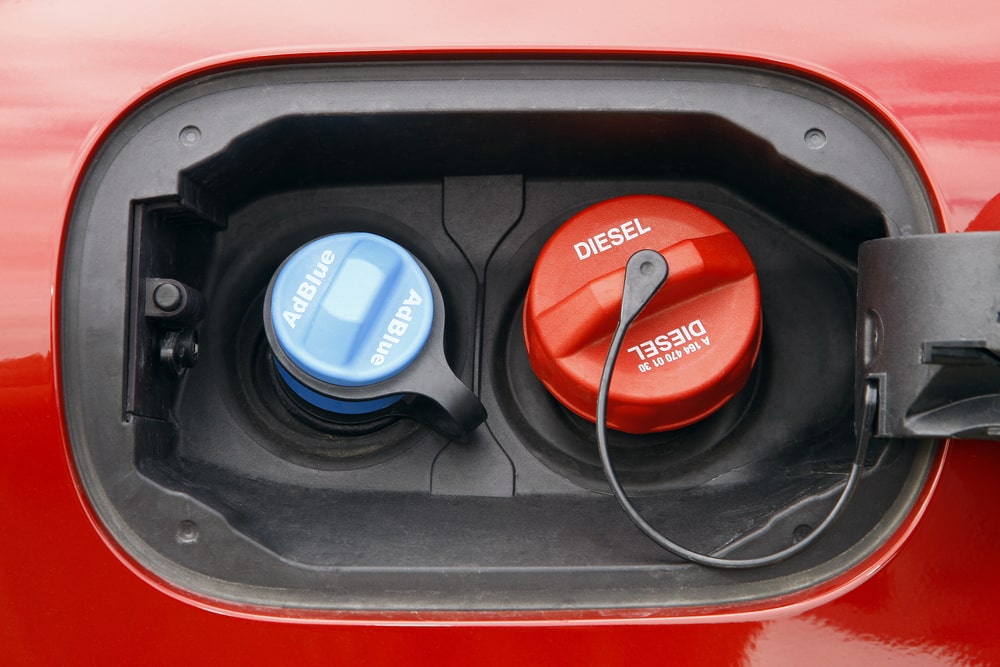
Here’s how to properly refill and maintain the system.
Monitoring AdBlue Levels
Most modern diesel cars equipped with AdBlue come with sensors that monitor the fluid level. If your car’s AdBlue tank is running low, you’ll usually get a warning light on your dashboard. Once the warning appears, it’s important to refill the tank before it runs completely dry. Running out of AdBlue can cause your engine to underperform, and the vehicle may even stop running until you refill the tank.
Refilling the AdBlue Tank
Refilling AdBlue is simple and can be done at most fuel stations that offer it. You can also buy containers of AdBlue at automotive stores or online. The process of refilling is similar to refueling your car, but keep in mind that you should never mix AdBlue with any other fluid. Always use certified AdBlue that complies with ISO 22241 standards to ensure proper functioning and avoid damage to your SCR system.
Additional Insight: The Future of AdBlue in Passenger Cars
With environmental regulations continually becoming stricter, AdBlue will play an increasingly significant role in the future of diesel vehicles. More passenger cars, trucks, and commercial vehicles will be adopting SCR technology and AdBlue to meet future emission standards.
The Growing Role of AdBlue in Global Markets
As nations across the globe tighten their emissions regulations, the use of AdBlue will likely increase, especially in markets like Europe, where the Euro 7 standards are on the horizon. AdBlue will continue to be an essential component for all diesel-powered passenger cars looking to meet the evolving environmental standards.
Azure Chemical’s Contribution to Sustainable Solutions
At Azure Chemical, we are committed to producing high-quality AdBlue solutions that contribute to cleaner air and more sustainable transportation. Our products meet the ISO 22241 standards, ensuring reliable performance and compliance with global emission standards.
AdBlue and Diesel Exhaust Fluid (DEF) in North America
In North America, AdBlue is commonly referred to as Diesel Exhaust Fluid (DEF), though the two terms are essentially the same product.
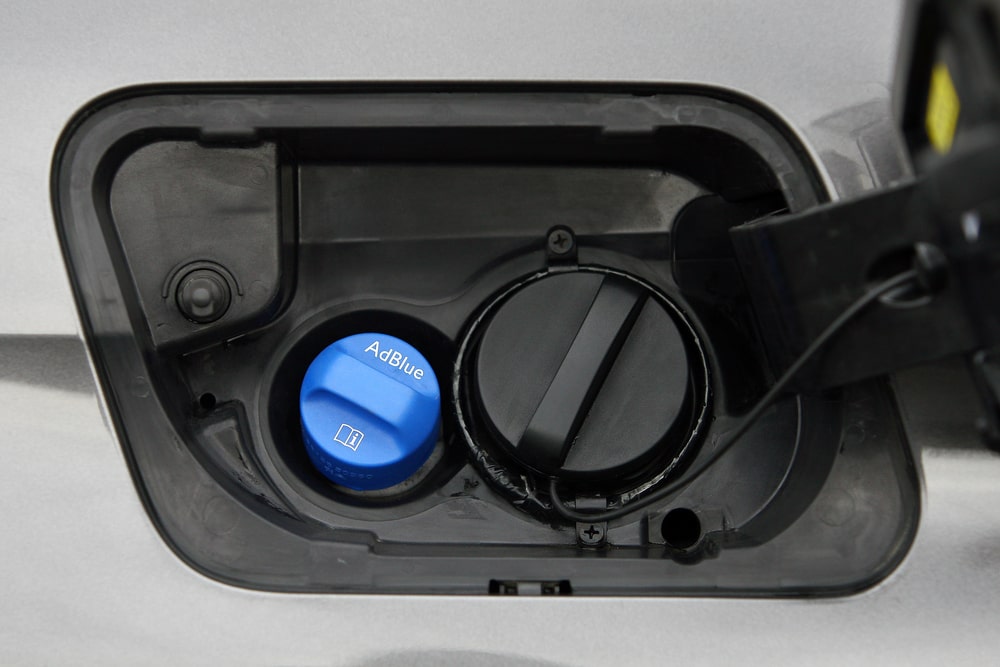
AdBlue vs DEF: What’s the Difference?
There is no real difference between AdBlue and DEF—the primary distinction is regional. While AdBlue is the term used in Europe, DEF is the commonly accepted name in the United States and Canada. Both products have the same composition and fulfill the same role in SCR systems for diesel vehicles.
The Role of Azure Chemical in DEF Supply
Azure Chemical is a leading supplier of high-quality DEF and AdBlue solutions in both North America and Europe. Our premium products meet all necessary specifications, ensuring that your vehicle continues to perform efficiently while adhering to emission standards.
Frequently Asked Questions
1. Do all diesel passenger cars use AdBlue?
Not all diesel cars use AdBlue, but many newer diesel vehicles, especially those made after 2015, are equipped with SCR systems that require AdBlue to reduce emissions.
2. How often do I need to refill AdBlue?
Most cars will need a refill every 5,000 to 10,000 miles, depending on driving habits and vehicle type. A warning light will indicate when it’s time to refill.
3. Can I use any AdBlue in my car?
It’s important to use only high-quality AdBlue that meets ISO 22241 standards to avoid damaging the SCR system.
H3: 4. What happens if I run out of AdBlue?
If AdBlue runs out, your vehicle may go into limp mode or even refuse to start. It’s essential to refill the tank as soon as possible.
5. How can I check if my car uses AdBlue?
Check your vehicle’s owner’s manual or look for a separate AdBlue tank near the fuel filler cap. Many vehicles also have a dedicated AdBlue warning light on the dashboard.
Conclusion
In summary, AdBlue plays a crucial role in modern diesel passenger cars, helping them meet stringent emissions standards while maintaining optimal engine performance. If you drive a diesel-powered passenger car, it’s important to understand whether your vehicle uses AdBlue, how to maintain it, and where to refill it.
At Azure Chemical, we provide high-quality AdBlue and DEF solutions that meet global standards, helping you keep your diesel vehicle compliant and running smoothly. Whether you’re a fleet manager or an individual driver, trust us to deliver reliable and effective products that support cleaner air and a more sustainable future.
Contact Azure Chemical today to explore our range of AdBlue and DEF products for all your automotive needs.