
Contents
NOx Reduction – The Core Benefit
One of the most impressive results of using DEF is its ability to reduce NOx emissions by as much as 90% in newer diesel engines, making a dramatic difference in air quality.
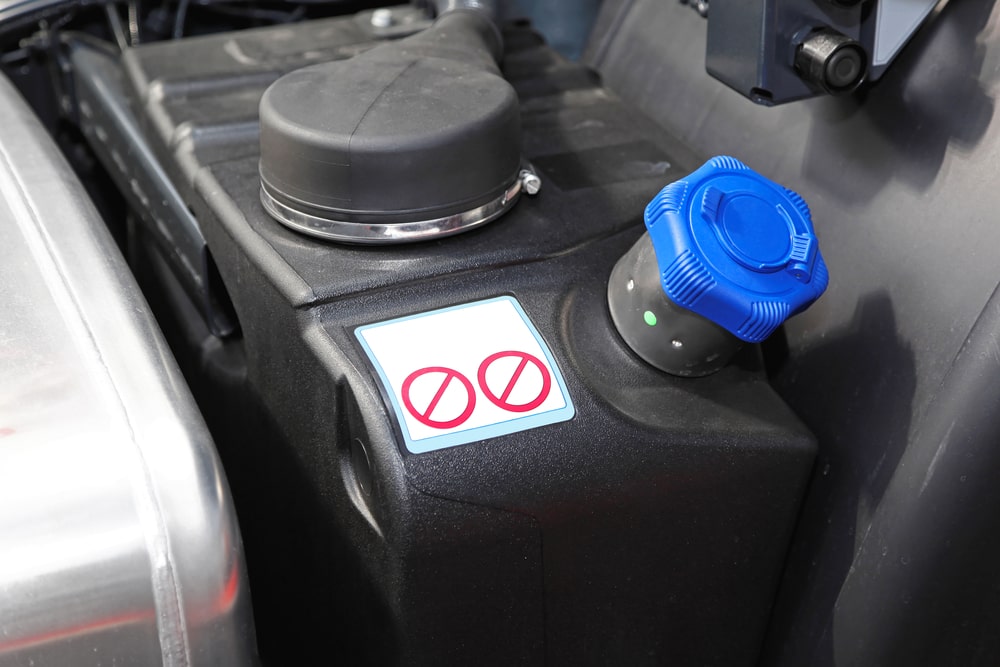
Once DEF is injected into hot exhaust gases, ammonia is formed, prompting a chemical reaction in the SCR catalyst that converts NOx into nitrogen and water. This near-elimination of NOx is essential for meeting current EPA and CARB emission standards—down from pre-SCR levels exceeding several hundred mg bhp-hr to as low as 35 mg bhp-hr. Not only is this a legal requirement, but it significantly cuts smog-forming pollutants, reduces acid rain contributors, and helps protect public health.
SCR Mechanism and Efficiency
Within the SCR unit, DEF decomposes to ammonia at temperatures typically between 200–350 °C. This ammonia then reacts efficiently with NOx across the catalyst. Efficiency rates peak when DEF dosing and exhaust heat are balanced, often achieving emissions reductions between 70–95%. Over time, engine control systems and improved catalyst designs have enabled these high levels of pollutant removal.
Meeting Tier 4 and Euro 6 Standards
Newer engines must conform to stringent emissional tiers—Tier 4 in the U.S. and Euro 6 in Europe. These standards require emissions reductions of approximately 90% compared to pre-regulated engines. Thanks to DEF and SCR technology, manufacturers can exceed these mandates reliably under real-world conditions.
Impact on Particulate Matter and PM Emissions
While DEF primarily targets NOx reduction, DEF systems also support the management of particulate matter (PM) by enabling optimized DPF regeneration.
By lowering NOx upstream via SCR, engines can operate cleaner, reducing soot in the exhaust stream. This helps the diesel particulate filter (DPF) work more effectively and regenerate less frequently, reducing PM emissions by up to 95%. Although DEF doesn’t directly break down soot, it plays a key role in maintaining system health and ensuring particulate filters function efficiently.
Synergy with DPF Technology
The combination of SCR and DPF creates a multi-stage emissions control system. Cleaner combustion achieved via SCR means less soot making its way into the DPF. This extends filter life, reduces maintenance intervals, and ensures diesel engines meet both NOx and PM regulations effectively.
Long-Term Filter Protection
Over time, reduced soot generation lowers the need for frequent DPF regen cycles, which can be costly and reduce fuel efficiency. DEF helps stabilize the exhaust environment, extending DPF life and reducing particulate emissions consistently.
Greenhouse Gas and Secondary Emission Reductions
Though DEF doesn’t directly target CO₂, it enables combustion strategies that improve engine efficiency and lower overall greenhouse gas emissions indirectly.

With SCR and DEF handling NOx post-combustion, engineers can optimize diesel combustion for fuel efficiency rather than sacrificing it for NOx reduction. This optimization can reduce CO₂ emissions slightly by enabling more efficient engine performance, making DEF a contributor to broader climate goals even when it isn’t a primary greenhouse gas reducer.
Enabling Better Combustion Strategies
DEF allows engines to run lean and hot, improving fuel burning consistency. Without needing to limit NOx production through rich combustion or retarded timing, engines deliver cleaner exhaust and improved thermal efficiency—resulting in lower CO₂ output.
Positive Climate Ripple Effects
Less NOx and PM in exhaust also means fewer chemical reactions contributing to ground-level ozone, acid rain, and particulate matter that exacerbate climate change. In this way, DEF supports both cleaner air and healthier environments.
Cold-Weather Performance and DEF
DEF freezes at around −11 °C, which can temporarily halt its emissions benefits, although modern vehicles are equipped with DEF heaters.
Once thawed, the DEF system restores full emissions-control function. However, during freeze-up periods, NOx emissions may momentarily increase until DEF flow resumes. Cold-weather DEF formulations and ensured tank heaters are critical to preventing emission spikes in winter conditions.
DEF Freezing and Infrastructure
Consumption in cold climates may necessitate more frequent refill cycles due to tank expansion and frighteners. Warmth retention via insulated tanks and strategic defrosting protocols are essential to maintaining continuous SCR performance.
Technology for Cold Conditions
Modern diesel systems integrate DEF tank heating elements that initiate thawing during engine start-up, allowing the SCR process to resume quickly after DEF is available. Azure Chemical recommends winter-grade DEF and pre-season system checks.
Maintenance Impacts and Ongoing Efficiency
Regular use of DEF preserves SCR catalyst and DPF integrity but requires periodic monitoring and system maintenance.
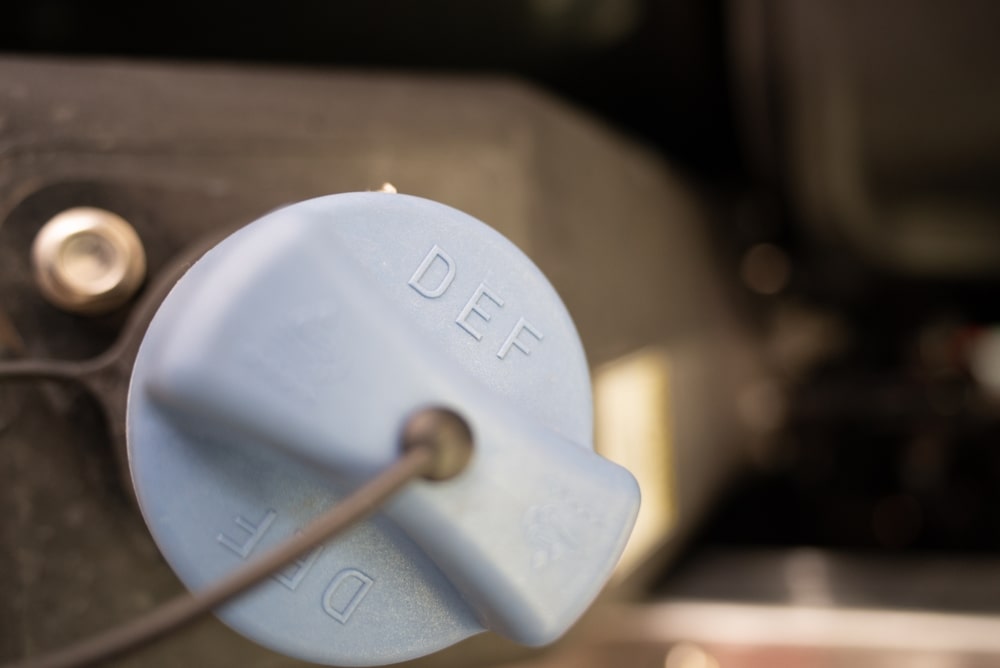
Catalyst life can decline if DEF quality deteriorates, leading to ammonia slip or soot buildup. Regular inspection of DEF system components—pumps, sensors, heaters, nozzles—and occasional SCR catalyst cleaning ensures long-term emissions performance and system reliability.
Quality Control and System Longevity
Using only certified DEF and monitoring exhaust sensor metrics maintains system health. Azure Chemical offers quality-assured DEF to help fleets and owners avoid issues from adulterated fluid.
System Health Checks
Annual diagnostics—monitoring DEF dosing logs, checking sensor output, and visually inspecting system hardware—ensure sustained emissions compliance and system reliability.
DEF and Ultra-Low-NOx Tech
As emission standards tighten, DEF plays a central role in next-gen ultra-low-NOx diesel engines.
Research institutions and OEMs are developing advanced SCR catalysts, improved reductant injection strategies, and heated ammonia-based systems. These innovations aim to bring NOx emissions down to near-zero levels (around 0.02 g/bhp-hr), supported by precision DEF dosing and integrated engine controls.
Advanced SCR Systems
Enhanced catalyst compositions, electronic dosing control, and thermal management allow SCR systems to reach unprecedented effectiveness even during cold starts or low-load conditions.
Hybrid Reductant Systems
Future systems may combine DEF with other reductants like ammonia or lean-NOx catalysts, providing stepwise emission reduction strategies. DEF remains foundational—but is augmented by tech advances.
FAQ
How much NOx does DEF reduce?
DEF can reduce NOx emissions by up to 90% in modern SCR-equipped engines, ensuring compliance with strict Tier 4 and Euro 6 standards.
Does DEF reduce particulate matter?
Indirectly, yes. DEF enables cleaner combustion and supports DPF efficiency, which can lead to PM reductions of up to 95%.
Will DEF improve fuel economy?
By enabling more efficient combustion strategies, DEF can marginally improve fuel economy and reduce CO₂ emissions.
Can DEF performance be affected in winter?
Yes. DEF freezes at −11 °C. Vehicles need tank heaters and winter-grade DEF to prevent temporary NOx emission spikes.
Is DEF maintenance expensive?
No. Routine maintenance such as checking DEF tank, hoses, sensors, and using certified fluid prevents major SCR and DPF issues, preserving engine performance long-term.
Conclusion
DEF is a vital emission-control fluid that supports dramatic reductions in NOx—up to 90%—and contributes to lower particulate pollution and improved fuel efficiency in newer diesel engines. With ongoing advances, DEF is at the core of future ultra-low-NOx systems alongside SCR and DPF technologies. At Azure Chemical, we prioritize supplying premium DEF, ensure technical support, and help maintain green, reliable diesel fleets. Invest in high-quality DEF and stay ahead in diesel emissions compliance, engine performance, and environmental stewardship. Contact us today.