For drivers unfamiliar with how to refill AdBlue, the process may seem confusing. This guide will walk you through everything you need to know about topping up AdBlue, including where to find the filler cap, how often to refill, and common mistakes to avoid.
Contents
Understanding AdBlue and Its Importance in Diesel Cars
Before diving into how to top up AdBlue, it’s important to understand why it’s necessary and how it works in diesel engines.

What Is AdBlue?
AdBlue is a solution made of 32.5% high-purity urea and 67.5% deionized water. It is not a fuel additive but a separate fluid used in diesel engines with SCR technology. When injected into the exhaust system, AdBlue helps convert harmful NOx emissions into harmless nitrogen and water vapor, reducing the vehicle’s environmental impact.
Why Do Diesel Cars Need AdBlue?
Diesel vehicles with SCR systems rely on AdBlue to comply with emissions regulations. Without it, your vehicle may:
- Display warning messages about low AdBlue levels.
- Enter limp mode, reducing power until the tank is refilled.
- Fail emissions tests, leading to fines or restrictions in low-emission zones.
Keeping your AdBlue topped up ensures that your vehicle operates efficiently and remains environmentally compliant.
How to Check AdBlue Levels in Your Diesel Car
Before topping up AdBlue, you need to know when your car requires a refill.
Signs That Your AdBlue Tank Is Low
Most modern diesel cars have sensors that monitor AdBlue levels and provide alerts when a refill is needed. Common indicators include:
- A dashboard warning light or message stating “AdBlue Low” or “Refill AdBlue.”
- A countdown warning, alerting you of how many miles you can drive before the tank is empty.
- Decreased vehicle performance if AdBlue levels drop too low.
How to Manually Check Your AdBlue Tank
While many cars provide digital AdBlue level readings, some vehicles require manual inspection. You can:
- Check the owner’s manual for the AdBlue tank location and capacity.
- Open the AdBlue filler cap and inspect the fluid level if visible.
- Monitor fuel efficiency, as poor emissions performance may indicate low AdBlue levels.
Keeping an eye on AdBlue levels helps avoid unexpected issues and keeps your diesel engine running smoothly.
Step-by-Step Guide to Topping Up AdBlue
Now that you understand why AdBlue is important, follow these steps to refill your vehicle safely and efficiently.
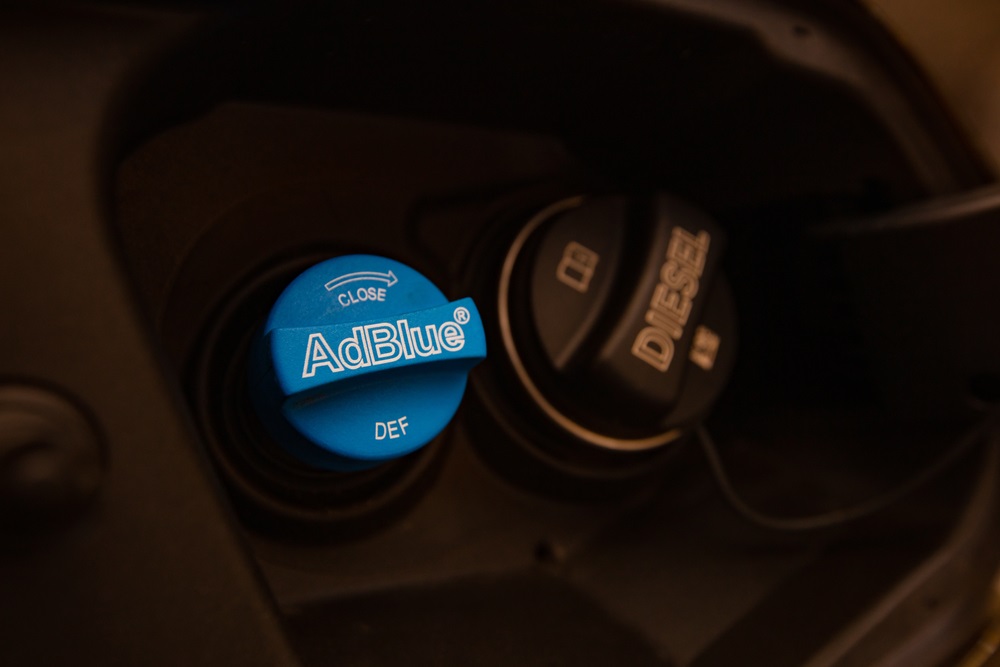
Finding the AdBlue Filler Cap
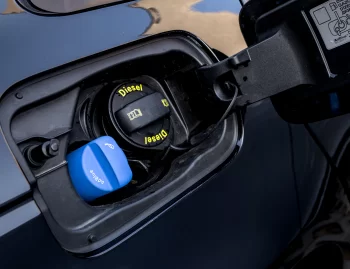
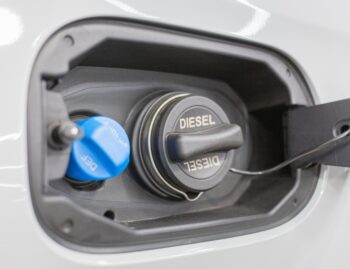
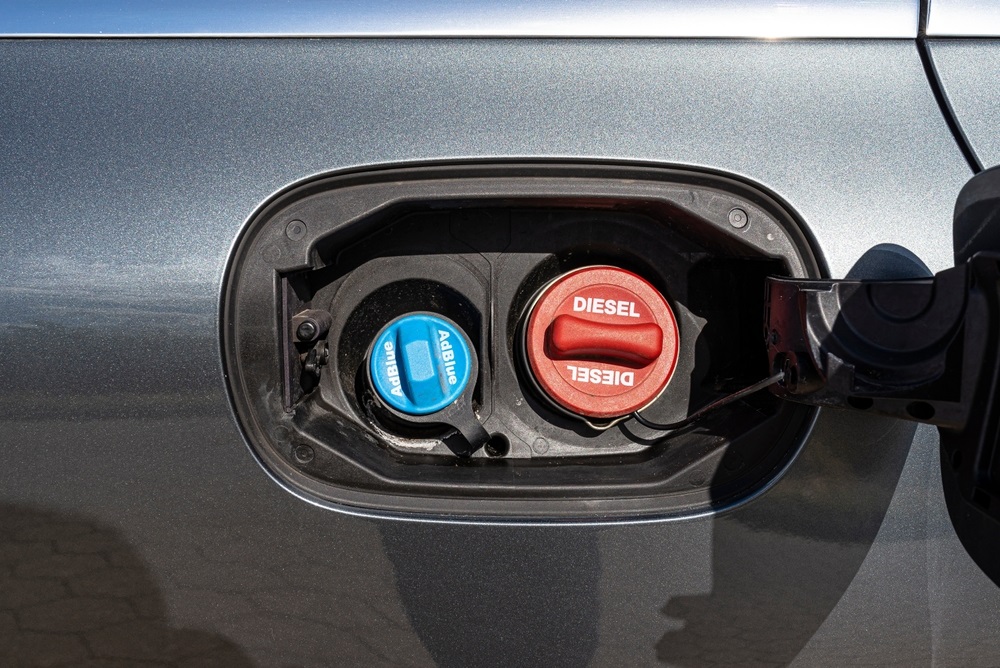
Unlike fuel, AdBlue has a separate filler cap to prevent accidental misfuelling. The location of the AdBlue filler varies depending on your car model and may be found:
- Next to the diesel fuel cap (common in newer vehicles).
- Under the bonnet (some older diesel models).
- In the trunk or spare wheel compartment (found in some commercial vehicles).
Check your owner’s manual for the exact location of the AdBlue filler cap.
Refilling the AdBlue Tank
Once you’ve located the filler cap, follow these steps to top up your AdBlue:
- Purchase high-quality AdBlue from a trusted supplier like Azure Chemical to ensure purity.
- Open the AdBlue filler cap and prepare the fluid for refilling.
- Use a proper AdBlue refill container with a spill-proof nozzle or funnel to prevent spillage.
- Slowly pour the AdBlue into the tank, avoiding overfilling.
- Secure the filler cap and check the dashboard to confirm the refill was detected.
Most vehicles automatically reset their AdBlue warnings after a refill, but if your car doesn’t, consult your owner’s manual for reset instructions.
How Often Should You Refill AdBlue?
The frequency of AdBlue refills depends on vehicle type, driving habits, and tank capacity.
Average AdBlue Consumption
On average, a diesel car consumes 1 to 2 liters of AdBlue per 600 miles. However, this varies based on:
- Engine size and efficiency.
- Driving conditions (highway vs. city driving).
- Load weight and towing requirements.
When to Schedule AdBlue Refills
To avoid running out of AdBlue, consider these refilling strategies:
- Check levels at every oil change or every 5,000 to 10,000 miles.
- Refill AdBlue before long road trips to prevent unexpected warnings.
- Keep a spare AdBlue container in your vehicle for emergency top-ups.
Proper planning ensures that your vehicle remains operational and emissions-compliant.
Common Mistakes to Avoid When Topping Up AdBlue
While refilling AdBlue is straightforward, there are a few mistakes that could lead to complications.
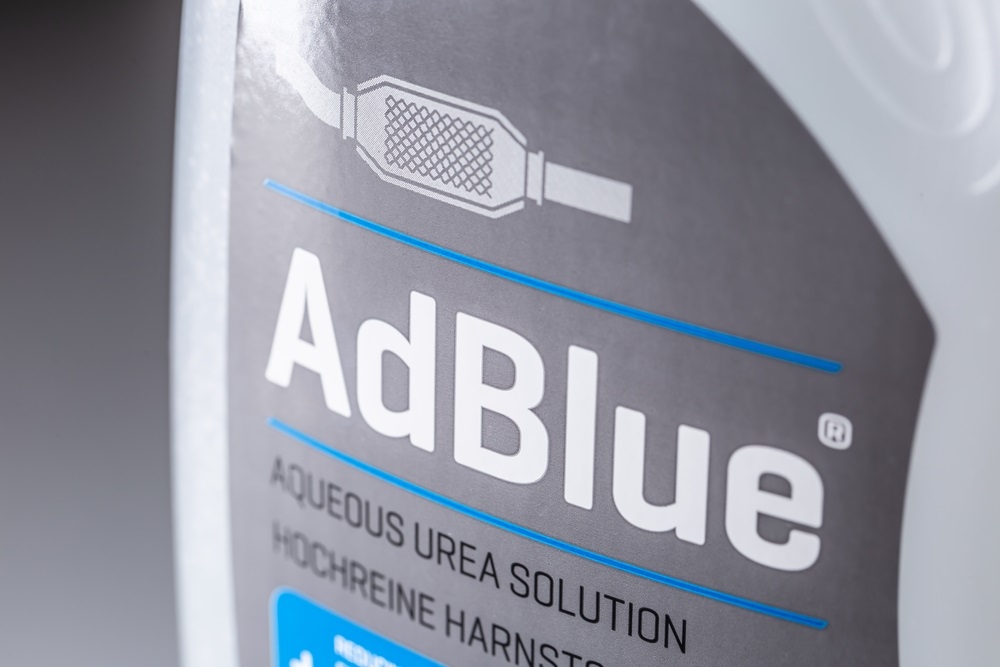
Adding AdBlue to the Diesel Tank
One of the most serious misfuelling errors is accidentally adding AdBlue to the diesel fuel tank. Since AdBlue is mostly water, it can damage fuel injectors, clog filters, and cause engine failure. Always double-check labels before refilling.
Using Low-Quality or Contaminated AdBlue
Not all AdBlue products meet ISO 22241 standards. Contaminated or low-quality AdBlue can cause crystallization and SCR system blockages. Purchase from reputable suppliers like Azure Chemical to ensure reliability.
Avoiding these mistakes helps protect your vehicle’s engine and emissions system.
Additional Tips for Handling AdBlue
Proper handling of AdBlue ensures its effectiveness and prevents unnecessary vehicle issues.
Storing AdBlue Correctly
To maintain AdBlue quality:
- Store in a cool, dry place, away from direct sunlight.
- Keep containers sealed to prevent contamination.
- Avoid storing in freezing conditions, as AdBlue solidifies at 12°F (-11°C).
Checking Expiration Dates
AdBlue has a shelf life of 12 to 24 months. Using expired AdBlue can reduce SCR efficiency and cause warning messages. Always check expiration labels before use.
FAQs
How do I know when my AdBlue needs topping up?
Your vehicle will display dashboard warnings when AdBlue levels are low, often giving a countdown of remaining miles.
Can I refill AdBlue myself?
Yes, AdBlue is easy to refill. Follow your car’s manual and use high-quality AdBlue from trusted suppliers.
How much AdBlue does my car need?
Most cars use 1 to 2 liters per 600 miles, but check your owner’s manual for specific capacity details.
What happens if I overfill my AdBlue tank?
Overfilling can cause spillage and crystallization around the filler cap. Always pour slowly and avoid exceeding the recommended amount.
Where can I buy high-quality AdBlue?
You can purchase premium AdBlue from Azure Chemical, ensuring purity and compliance with emissions standards.
Conclusion
Regularly topping up AdBlue is essential for keeping diesel cars running efficiently and meeting emission regulations. By understanding when and how to refill your AdBlue tank, you can avoid performance issues and unnecessary breakdowns.
At Azure Chemical, we provide premium AdBlue that meets ISO 22241 standards, ensuring optimal performance for diesel vehicles. Whether you need bulk purchases or individual refills, we’ve got you covered. Contact us today to keep your vehicle running smoothly!