Contents
- 1 Understanding AdBlue and Why It Matters
- 2 Early Warning Signs When AdBlue is Low
- 3 What Happens If You Ignore AdBlue Warnings Completely?
- 4 Long-Term & Hidden Consequences of Neglecting AdBlue
- 5 Proper AdBlue Maintenance & Best Practices
- 6 Myths, Misconceptions & What Doesn’t Happen
- 7 Frequently Asked Questions (FAQ)
- 8 Conclusion
Understanding AdBlue and Why It Matters
Before looking at what happens when you ignore warnings, it’s important to understand what adblue is and why it’s vital.
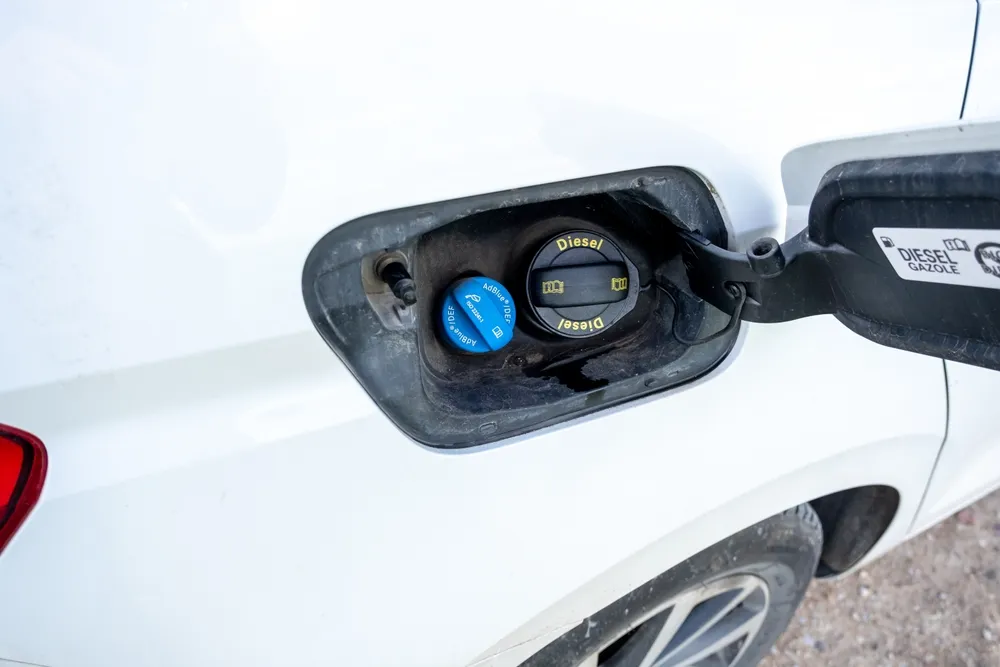
What is AdBlue?
AdBlue is a urea-based aqueous solution made from 32.5% high-purity urea and 67.5% deionised water. It is injected into a vehicle’s exhaust stream through the Selective Catalytic Reduction (SCR) system, which converts harmful nitrogen oxides (NOx) into harmless nitrogen and water vapour. This process ensures your diesel engine runs cleaner and meets stringent emission standards.
Why do modern diesel vehicles require AdBlue?
Modern diesel vehicles are designed to comply with strict emission standards such as Euro 6. To achieve this, they rely on SCR technology, which requires adblue to function effectively. Without it, the SCR system can’t neutralize harmful emissions, resulting in non-compliance with emission laws and potentially severe restrictions on vehicle operation.
Early Warning Signs When AdBlue is Low
Your vehicle will not immediately shut down when adblue runs low, but it will alert you early through various warning indicators.
Dashboard Warnings and Messages
As adblue levels fall, the dashboard will display a warning light or message such as “Refill AdBlue” or “AdBlue low.” These alerts typically provide a driving range—often several hundred miles—allowing you time to refill before the situation becomes critical. Ignoring these early signs can lead to more severe performance restrictions.
Reduced Engine Performance (Pre-Limp Mode)
If you delay refilling after the initial warnings, your vehicle may begin to restrict power, reduce acceleration and limit top speed. This is a programmed response designed to protect the SCR system and remind you to act quickly. Reduced performance at this stage serves as a final warning before more drastic restrictions occur.
What Happens If You Ignore AdBlue Warnings Completely?
Failing to refill adblue once warnings appear can cause serious problems—mechanical, legal and financial.

Entering Limp-Mode or Power Restriction
When adblue levels reach zero, most vehicles activate “limp mode,” restricting engine output and speed. The car becomes sluggish, fuel efficiency drops and in some cases the engine may shut down automatically. This safeguard is built into modern vehicles to minimize emissions and prevent further system damage.
Vehicle Refuses to Start or Gets Immobilised
Once the adblue tank is completely empty, many modern diesel vehicles will refuse to start after being turned off. The onboard computer prevents ignition until the system detects a sufficient adblue level. This can lead to breakdowns and towing if the vehicle stops in an inconvenient location.
Legal & Environmental Penalties
Ignoring adblue warnings means your car is releasing higher levels of harmful NOx gases into the atmosphere. This not only harms the environment but may also lead to failed emissions tests or fines in regions with strict emissions standards. For fleet or commercial vehicles, the consequences can include suspension from service and financial penalties.
Long-Term & Hidden Consequences of Neglecting AdBlue
Beyond the immediate performance issues, ignoring adblue can lead to expensive, long-term damage.
Damage to SCR System Components
The SCR system is sensitive and designed to operate with specific fluid conditions. Driving without adblue can result in injector clogging, urea crystallisation, sensor malfunction and catalytic converter failure. Replacing these components can be extremely expensive compared to simply refilling adblue as needed.
Increased Maintenance & Operating Costs
Neglecting adblue increases overall maintenance costs. Over time, the system may require professional cleaning, sensor replacements or full SCR system overhaul. The cost of preventive maintenance—regular refills and using high-quality adblue—is minimal compared to these potential repair bills.
Proper AdBlue Maintenance & Best Practices
AdBlue is simple to manage if you follow some practical maintenance routines.
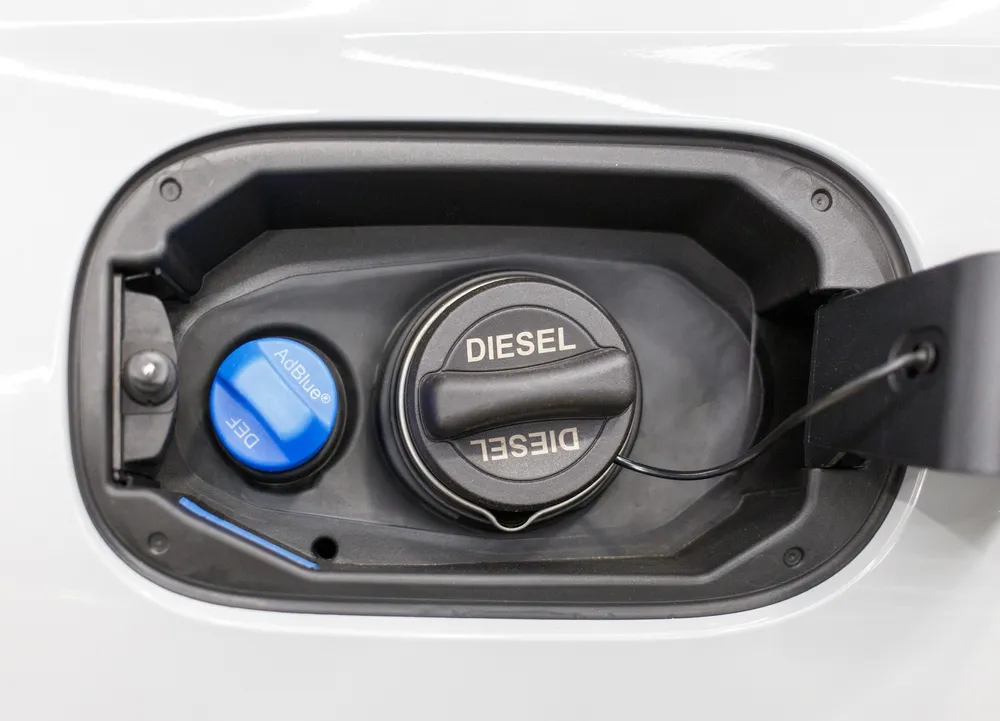
Monitoring AdBlue Levels & Refilling in Time
Get into the habit of checking adblue levels during regular vehicle inspections. When your dashboard displays a low-level warning, refill promptly rather than postponing. Many vehicles indicate remaining driving range, allowing you to plan refills conveniently without risk.
Choosing High-Quality AdBlue & Avoiding Faux Products
Always choose high-quality adblue that meets ISO 22241 standards. Low-grade or contaminated products can damage your SCR system and cause warning lights to reappear. Using trusted brands such as Azure Chemical’s certified diesel exhaust fluid ensures consistent performance and compliance.
Emergency Planning & Spare AdBlue
For long-distance drivers or fleets, it’s wise to carry an extra container of adblue. Having a backup helps avoid immobilisation in remote areas. Also, familiarize yourself with the proper procedure for refilling and resetting your vehicle’s adblue system to ensure smooth operation.
Myths, Misconceptions & What Doesn’t Happen
There are plenty of myths about adblue. Let’s clear up the most common ones.
Myth — “I can drive fine without AdBlue; it’s just emissions”
Modern vehicles are programmed to limit or stop operation without adblue. It’s not just about emissions—the car’s control unit ensures compliance by enforcing reduced power or complete immobilisation until the issue is resolved.
Myth — “Using any urea-based fluid works as AdBlue”
Not all urea solutions are safe or compliant. Only certified adblue that meets strict purity standards is suitable. Using makeshift or poor-quality substitutes can corrode components, cause crystallisation, or void manufacturer warranties.
Frequently Asked Questions (FAQ)
What happens if I ignore the adblue warning light?
If you ignore the warning, your car may reduce power, enter limp mode, or refuse to start after being turned off once the adblue is empty.
Can I drive without adblue?
You may be able to drive for a short distance while the warning is active, but once depleted, your vehicle will not start or may suffer from severe power restriction.
How often should I refill adblue?
The frequency depends on your vehicle and driving habits. Most vehicles require a refill every few thousand miles, and the dashboard will alert you well in advance.
Does running out of adblue damage the engine?
While the engine itself is not directly damaged, the SCR system can suffer from sensor and injector issues, leading to expensive repairs.
What if the warning stays on after refilling?
If the warning persists, there may be trapped air, a sensor issue, or a software fault. A professional diagnostic check can identify and reset the system.
Conclusion
Ignoring adblue warnings in your diesel vehicle is a costly mistake that can affect performance, emissions compliance and reliability. The small cost and effort of regular refills protect your engine, your environment and your wallet.
At Azure Chemical, we provide premium-grade, ISO-certified diesel exhaust fluid (adblue) engineered to meet and exceed manufacturer specifications. Our products ensure smoother performance, regulatory compliance and extended SCR system life. Choose Azure Chemical today for reliable adblue solutions that keep your vehicle on the road—cleaner, safer and compliant.