Contents
- 1 What Is Diesel Exhaust Fluid and How Is It Made?
- 2 Fertilizer Grade Urea vs DEF-Grade Urea: What’s the Difference?
- 3 So, Can You Make Diesel Exhaust Fluid With Fertilizer Grade Urea?
- 4 Risks of Using Non-Compliant Diesel Exhaust Fluid in Your SCR System
- 5 Quality Standards That True Diesel Exhaust Fluid Must Meet
- 6 Why DIY Diesel Exhaust Fluid Is a False Economy
- 7 How to Choose a Reliable Diesel Exhaust Fluid Supplier
- 8 FAQs About Diesel Exhaust Fluid and Fertilizer Urea
- 9 Conclusion
What Is Diesel Exhaust Fluid and How Is It Made?
Understanding how diesel exhaust fluid is created helps explain why attempts to make it using fertilizer grade urea fail immediately.
Standard Composition of Diesel Exhaust Fluid
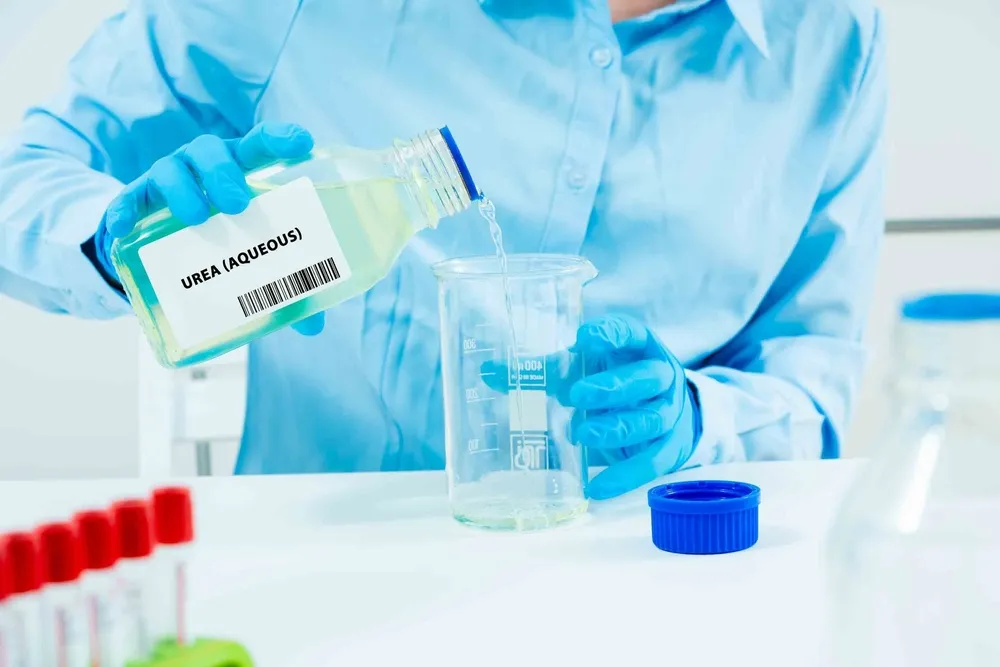
Diesel exhaust fluid is a precise mixture of 32.5% high-purity urea and 67.5% deionized or demineralized water. This ratio is designed to ensure proper NOx reduction performance in SCR systems while maintaining a stable freezing point. It is made using automotive-grade urea that has extremely low contaminant levels to protect injectors, sensors and SCR catalysts.
Why Purity Matters in Diesel Exhaust Fluid
The SCR system is highly sensitive. Even trace impurities — metals, phosphate, biuret, minerals, dust or organic compounds — can clog injectors, corrode components, cause deposits and permanently damage the catalyst. That is why diesel exhaust fluid is produced under strict quality requirements and tested to ensure it meets defined purity thresholds.
Fertilizer Grade Urea vs DEF-Grade Urea: What’s the Difference?
Although both products may contain urea, they are not interchangeable — and their purity levels differ dramatically.
Contaminants, Additives and Purity Levels
Fertilizer grade urea is intentionally manufactured with different priorities. It may contain additives for anti-caking, higher levels of biuret, metal traces and other impurities harmless to crops but extremely harmful to SCR systems. DEF-grade urea undergoes filtration, purification and controlled handling that keep contaminants extremely low, making it suitable for exhaust treatment.
Manufacturing Controls and Intended Uses
Automotive-grade urea used in diesel exhaust fluid is manufactured in clean, tightly regulated environments. Fertilizer urea, however, is produced and handled in facilities where dust, coatings, contaminants and cross-contact with other materials are normal. It is not intended to be vaporized and sent through sensitive catalytic systems — it is intended for agricultural soil.
So, Can You Make Diesel Exhaust Fluid With Fertilizer Grade Urea?
This is where theory and real-world engineering collide.

The Chemistry Looks Similar at First Glance
Chemically, urea is urea — and for many operators, that leads to the assumption that fertilizer urea could be mixed with water to create diesel exhaust fluid. At first glance, the idea looks simple: measure, mix and use.
Why the Real-World Answer Is “No”
In practice, fertilizer grade urea cannot be used to produce compliant diesel exhaust fluid. Its impurity levels are far too high, its consistency is unreliable and the water used in DIY mixing is rarely pure enough. Even when diluted to 32.5%, the resulting fluid fails critical DEF specifications — and using it can damage the SCR catalyst, trigger fault codes, reduce engine power and void warranties.
Risks of Using Non-Compliant Diesel Exhaust Fluid in Your SCR System
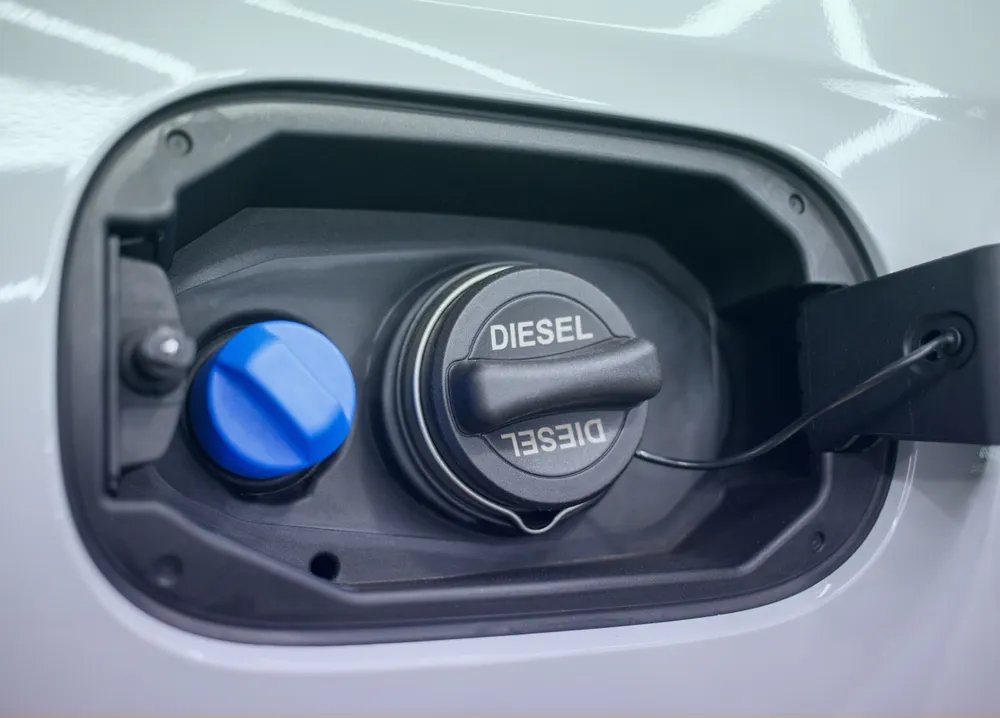
Using improperly made or contaminated diesel exhaust fluid can quickly become one of the most expensive mistakes for any fleet.
Catalyst Damage, Deposits and Sensor Faults
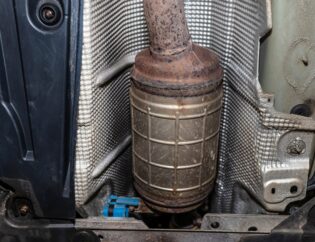
Contaminated DEF can cause deposits on dosing injectors and SCR catalysts. These residues restrict flow, impair the conversion of NOx into nitrogen and water, and disrupt emissions control. Sensors, pumps and lines also become vulnerable, leading to performance loss or complete system failure.
Downtime, Fines and Warranty Problems
When diesel exhaust fluid is off-spec, vehicles may trigger dashboard warnings, enter derate mode or fail state and federal emissions inspections. Repairs are expensive, catalysts are costly to replace, and manufacturers typically void warranties if improper DEF has been used. What starts as a “cost-saving shortcut” ends in far higher operational losses.
Quality Standards That True Diesel Exhaust Fluid Must Meet
DEF purity is not optional — it is legally and mechanically required.
ISO Standards and Automotive-Grade Quality
Diesel exhaust fluid must comply with strict industry specifications that govern urea purity, water quality, concentration, pH levels and contaminant limits. These standards ensure that the fluid vaporizes correctly, protects the SCR system and maintains emissions compliance without harming engine components.
Testing, Certification and Batch Traceability
Legitimate DEF producers conduct routine tests to confirm quality and maintain batch traceability from production to delivery. This ensures that the diesel exhaust fluid you purchase is consistent, safe and appropriate for use in modern diesel engines.
Why DIY Diesel Exhaust Fluid Is a False Economy
The idea of “saving money by mixing your own DEF” often leads to far greater expenses.

Hidden Costs of Making Your Own DEF
What appears to be lower upfront cost quickly turns into the opposite. Engine derates, catalyst replacements, dosing pump failures, clogged injectors and emissions violations can cost thousands — far more than the price of proper DEF.
Operational, Safety and Environmental Risks
When diesel exhaust fluid does not meet required standards, emission systems cannot function properly. This leads to increased pollution, failed inspections, damaged reputations and compromised environmental compliance.
How to Choose a Reliable Diesel Exhaust Fluid Supplier
Working with a trustworthy DEF provider is the easiest way to protect your SCR system and avoid costly repairs.
Questions to Ask Any DEF Supplier
Before committing to a supplier, ask:
- Do they use automotive-grade urea?
- Do they meet industry DEF standards?
- Do they test and certify each batch?
- Do they offer sealed packaging or contamination-controlled delivery?
- Can they support you with storage and handling best practices?
These answers determine long-term reliability.
How Azure Chemical Ensures Quality and Consistency
Azure Chemical specializes in producing high-purity diesel exhaust fluid that meets stringent quality expectations. With controlled manufacturing, consistent testing, and a focus on purity and compliance, Azure Chemical ensures that operators get DEF they can rely on — protecting engines, emission systems and operational uptime.
FAQs About Diesel Exhaust Fluid and Fertilizer Urea
Can fertilizer grade urea ever be safely used to make diesel exhaust fluid?
No. It contains impurities that damage SCR systems.
If I match the 32.5% ratio, does that make it proper DEF?
No. Concentration alone is not enough — purity and water quality are critical.
What happens if I use off-spec or homemade DEF?
You risk catalyst damage, injector issues, derated power, warranty loss and expensive repairs.
How can I verify DEF quality?
Use sealed, certified DEF from reputable suppliers who test every batch.
Does diesel exhaust fluid expire?
Yes. It should be stored properly and used within recommended timeframes.
Conclusion
Although diesel exhaust fluid and fertilizer grade urea both involve urea, the similarities end there. DEF requires extreme purity and precise formulation that fertilizer products cannot meet. Attempting to mix your own DEF — especially using agricultural urea — leads to costly equipment damage, emissions failures and downtime.
Azure Chemical ensures operators receive diesel exhaust fluid that meets strict purity and performance standards. With high-quality production, consistent testing and reliable supply options, Azure Chemical helps protect your SCR systems, maintain compliance and keep your operations running smoothly. Schedule your deliveries today.