Contents
- 1 Why AdBlue Is Essential for Diesel Vehicles
- 2 How to Restart Your Diesel Car After Running Out of AdBlue
- 3 Preventive Maintenance Tips for AdBlue Users
- 4 Signs Your AdBlue System Needs Servicing
- 5 Additional Insight: The Future of AdBlue in Diesel Vehicles
- 6 Common Mistakes to Avoid with AdBlue
- 7 FAQs
- 8 Conclusion
Why AdBlue Is Essential for Diesel Vehicles
AdBlue plays a vital role in reducing harmful nitrogen oxide (NOx) emissions in modern diesel engines.

Understanding What AdBlue Does
AdBlue is a urea-based solution used in the Selective Catalytic Reduction (SCR) system of diesel vehicles. It converts harmful nitrogen oxide emissions into harmless nitrogen and water vapor, helping your vehicle meet stringent environmental regulations. Without a proper supply, your vehicle’s emissions system fails, triggering warnings or engine shutdown.
What Happens When You Run Out of AdBlue?
When your diesel car runs out of AdBlue, warning lights and dashboard alerts will prompt you to refill. If ignored, the vehicle may go into limp mode or refuse to restart entirely once turned off. Manufacturers install this feature to ensure compliance with emission standards.
How to Restart Your Diesel Car After Running Out of AdBlue
Knowing what to do when you’ve run out of AdBlue can help you avoid costly downtime or towing.
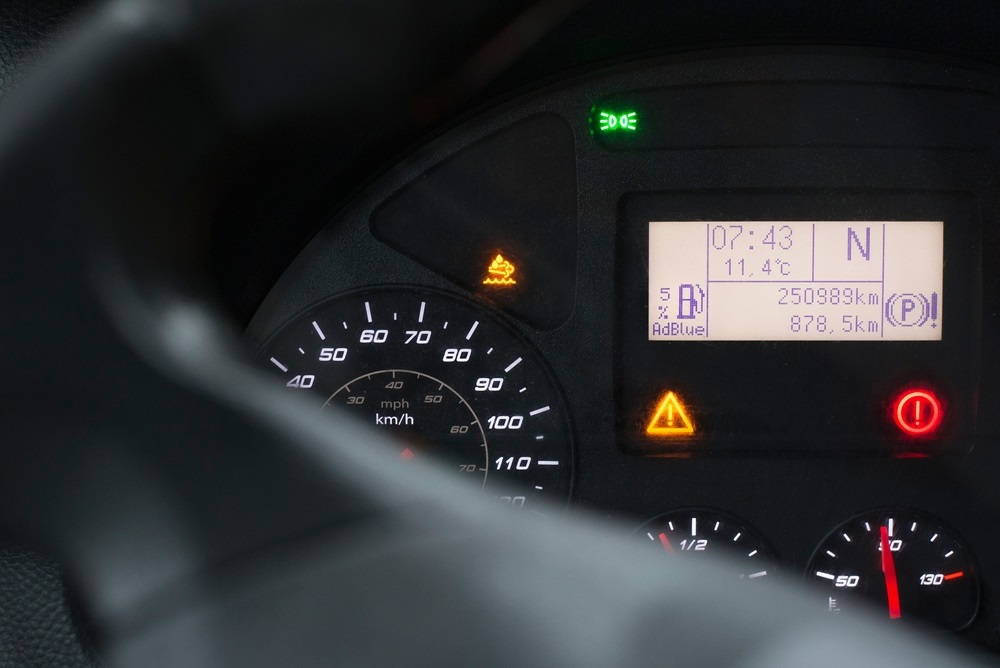
Step 1: Refill the AdBlue Tank
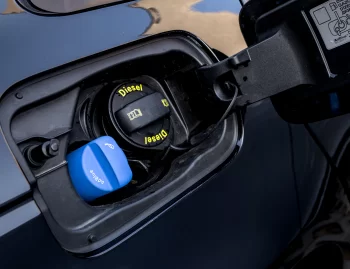
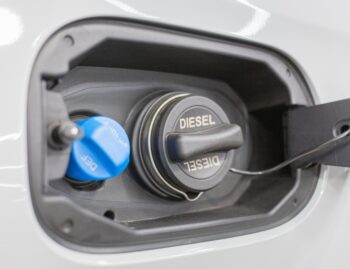
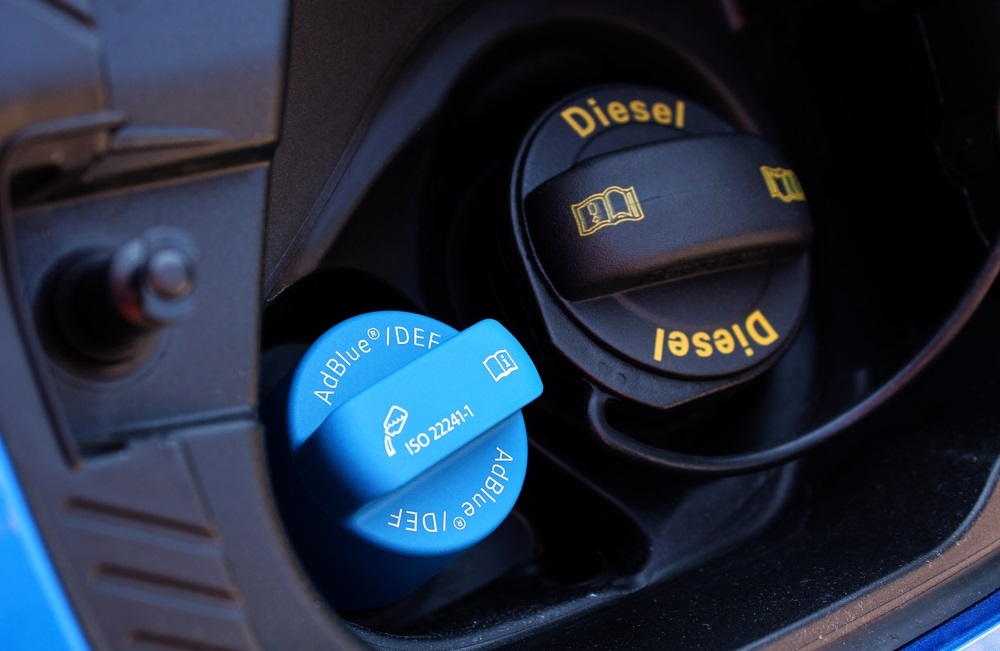
The first step to restart your vehicle is to refill the AdBlue tank. Always use a certified AdBlue solution — like the high-purity urea solution from Azure Chemical — to prevent DEF contamination of the SCR system. The tank location can typically be found near the fuel cap or in the trunk area, depending on the model.
Step 2: Allow the System to Reset
After refilling, you may need to wait several minutes for the onboard computer to detect the new AdBlue level. In some cases, you may need to lock and unlock the car, cycle the ignition, or drive for a few minutes before the system resets.
Step 3: Restart the Engine
Once the vehicle detects sufficient AdBlue, the warning lights should disappear, and you’ll be able to restart the engine. If the system fails to reset, consult your vehicle’s manual or contact your dealership for instructions.
Preventive Maintenance Tips for AdBlue Users
Avoiding the problem is easier than fixing it. Here’s how to manage your AdBlue levels proactively.

Keep AdBlue Levels Topped Off
Always refill AdBlue before levels fall below the critical threshold. Most diesel vehicles will alert you 1,000 miles before depletion — take this seriously and top off at the next opportunity.
Store AdBlue Properly
AdBlue is sensitive to extreme temperatures. Store it between 10°F and 86°F in sealed containers and avoid contamination. Buy from trusted suppliers like Azure Chemical to ensure high purity and performance.
Signs Your AdBlue System Needs Servicing
While AdBlue systems are reliable, issues can still arise.
Persistent Warning Lights
If warning lights persist even after a refill, your vehicle might have a sensor issue or a contaminated AdBlue supply. It’s essential to have the system inspected by a certified technician.
Faulty Injection Nozzles
If your diesel engine performs poorly despite a full AdBlue tank, the injection system might be clogged. Using clean AdBlue can prevent buildup and ensure smooth operation.
Additional Insight: The Future of AdBlue in Diesel Vehicles
With stricter emissions regulations being enforced globally, the use of AdBlue is expanding rapidly.

More Models, More AdBlue Dependence
As more diesel models integrate SCR systems, AdBlue is becoming a standard fluid, much like oil or fuel. Diesel drivers should become familiar with how the system works and where to buy high-quality solutions.
Market Growth and Technological Advancements
The AdBlue market is projected to grow significantly. Suppliers like Azure Chemical are leading the way with cleaner formulations and eco-friendly packaging to support both environmental compliance and performance.
Common Mistakes to Avoid with AdBlue
Small errors can lead to major headaches. Here’s what to watch out for.
Adding AdBlue to the Fuel Tank
Never confuse the AdBlue tank with your diesel fuel tank. If AdBlue is added to the wrong tank, do not start the engine. Drain both tanks immediately and seek professional help.
Running on Low or Expired AdBlue
Avoid using expired AdBlue or letting it run dry. Old fluid can degrade the SCR system and lead to costly repairs. Always check the expiration date and keep a reserve on hand.
FAQs
Can I restart my diesel car immediately after refilling AdBlue?
Yes, but you may need to wait a few minutes for the vehicle to detect the refill or drive a short distance.
Will my car shut down if I run out of AdBlue while driving?
No, but once the engine is turned off, it may not restart until AdBlue is refilled.
Can I mix different AdBlue brands?
Yes, as long as the solution meets ISO 22241 standards. For best results, stick with trusted suppliers like Azure Chemical.
Is there an AdBlue warning light?
Yes, most diesel vehicles will alert you when AdBlue is running low and again when it’s critically low.
What happens if I use expired AdBlue?
Expired AdBlue may crystallize or degrade the SCR system, leading to poor emissions performance.
Conclusion
If your diesel car runs out of AdBlue, knowing how to restart it efficiently is crucial. Refilling with certified AdBlue and allowing the system to reset are essential steps to resume driving safely. For high-purity diesel exhaust fluid you can rely on, Azure Chemical delivers industry-leading solutions. Contact us today and let us ensure your diesel engine runs clean and smooth.