Contents
- 1 Understanding What a DEF/SCR Retrofit Involves
- 2 Assessing Suitability of the Legacy Platform
- 3 Core Components of a DEF Retrofit Package
- 4 Step-by-Step Retrofit Process
- 5 Commissioning, Calibration, and Validation
- 6 Installation Challenges and Practical Workarounds
- 7 Regulatory and Certification Considerations
- 8 Maintenance, Operations & Training
- 9 Economics: Cost, Fuel, and ROI
- 10 FAQs
- 11 Conclusion
Understanding What a DEF/SCR Retrofit Involves
A retrofit adds a dosing system for diesel exhaust fluid upstream of an SCR catalyst so NOx converts to nitrogen and water. Success hinges on matching the catalyst volume and urea dosing rate to your engine’s raw-out emissions and duty cycle.
What Changes on the Engine and Exhaust?
You’ll keep the base engine architecture but modify the exhaust aftertreatment path. The DEF injector, mixer, and SCR brick are added downstream of the turbo and DOC (if present). You’ll also add a DEF tank, pump, lines, sensors, and an ECU to meter diesel exhaust fluid precisely based on engine load and NOx feedback.
When Does It Make Sense?
Retrofitting diesel exhaust fluid is attractive when the engine is mechanically healthy, the chassis has space for hardware, and regulatory, corporate ESG, or low-emission zone access requirements justify the investment compared with replacement.
Assessing Suitability of the Legacy Platform
Before purchasing hardware, validate that the engine and vehicle can physically and thermally support SCR with diesel exhaust fluid.
Space, Heat, and Access
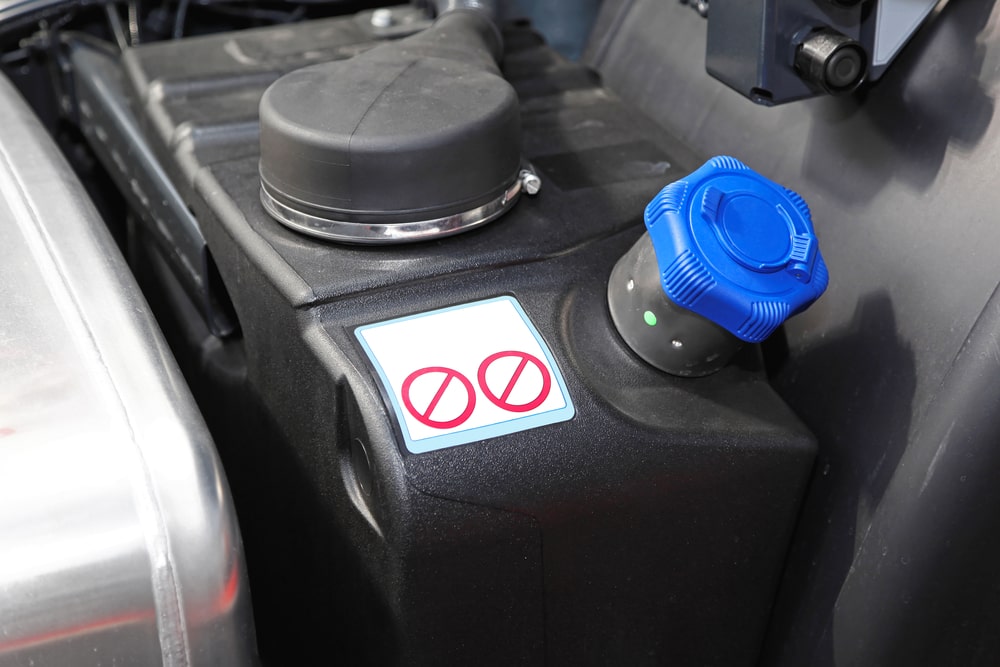
Survey frame rails, underbody, or stack for SCR can length, DEF tank placement, and safe routing of heated lines. Exhaust temperatures must support ammonia generation from diesel exhaust fluid without excessive thermal stress on the catalyst or nearby components.
Engine Health and Baseline Emissions
Compression, injector balance, and EGR (if equipped) must be in-spec; a sick engine overwhelms any SCR. Gather a raw NOx baseline—portable emissions measurement systems (PEMS) or dyno verifications help size the catalyst and dosing of diesel exhaust fluid accurately.
Core Components of a DEF Retrofit Package
A complete kit integrates fuel-agnostic electronics, robust plumbing, and a catalyst sized for your duty cycle to convert NOx using diesel exhaust fluid.
Hardware You’ll Need
Common elements include a DEF tank with heater, supply module/pump, heated delivery line, injector and atomizing mixer, SCR catalyst (with optional DOC + ammonia slip catalyst), NOx/temperature sensors, and a dosing control unit for diesel exhaust fluid metering.
Controls and Sensing
The ECU calculates diesel exhaust fluid dose using mass air/engine load, exhaust temp, and upstream/downstream NOx sensors. A closed-loop strategy trims dosing to prevent ammonia slip and keeps conversion high across transient loads.
Step-by-Step Retrofit Process
A disciplined install reduces rework and ensures reliable diesel exhaust fluid dosing from day one.
1) Design & Mounting
Model the exhaust path, then fabricate brackets for SCR can, mixer, and injector boss. Place the DEF tank in a protected, serviceable location. Route heated lines for diesel exhaust fluid away from pinch points and hot spots.
2) Wiring & Integration
Run harnesses for sensors, pump, and dosing ECU. Tie into ignition power, CAN (if available), and add a dash-level/status lamp and low diesel exhaust fluid indicator so operators have clear feedback.
Commissioning, Calibration, and Validation
Startup is more than “fill and go”—you must prove diesel exhaust fluid flow, atomization, and conversion.
Cold- and Hot-Check Procedures
Verify pump prime, leak-free lines, injector actuation, heater logic, and sensor plausibility. Confirm diesel exhaust fluid warms correctly in cold weather and that dose tracks load without triggering ammonia slip at high temps.
On-Road or Dyno Verification
Use PEMS or a calibrated analyzer to validate NOx reduction across idle, medium load, and full load. Fine-tune maps so diesel exhaust fluid consumption is efficient while meeting the target conversion.
Installation Challenges and Practical Workarounds
Older vehicles don’t always cooperate; plan for packaging and thermal realities so diesel exhaust fluid hardware lasts.
Mixing Quality and Deposit Control
Poor mixing causes urea deposits. Install a proper static mixer and maintain exhaust temps that fully hydrolyze diesel exhaust fluid before the SCR brick. Use correct injector angle and stand-off distances per the catalyst supplier.
Freeze Protection & Line Management
DEF freezes at ~12°F/-11°C. Heated tanks/lines and proper insulation keep diesel exhaust fluid flowing. Include drain-back logic and park advice to avoid crystallization at the nozzle.
Regulatory and Certification Considerations
Retrofitting diesel exhaust fluid can change the emissions profile; documentation and labeling matter.
Local Rules & Labeling
Some jurisdictions require verified retrofit systems and tamper-evident labels. Maintain as-built drawings, parts lists, and test records showing diesel exhaust fluid dosing compliance and conversion efficiency.
Warranty and Liability
Clarify responsibilities among engine owner, retrofit installer, and component vendors. Keep maintenance logs—especially diesel exhaust fluid quality checks—to protect warranties and demonstrate due care.
Maintenance, Operations & Training
SCR is reliable if diesel exhaust fluid is clean and operators understand basic do’s and don’ts.
Service Intervals
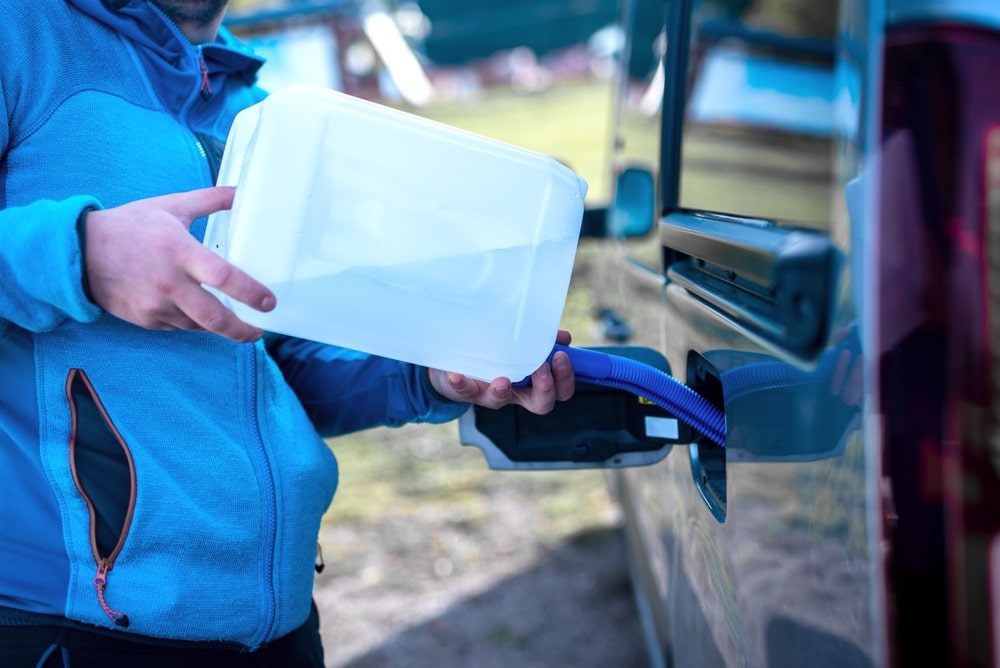
Inspect injector and mixer for deposits, verify sensor health, and drain/flush the DEF tank annually if contamination is suspected. Always use ISO 22241-compliant diesel exhaust fluid to protect the catalyst.
Driver and Tech Training
Teach low-DEF warnings, no fuel/washer-fluid cross-contamination, and cold-weather handling of diesel exhaust fluid. Provide a quick-start card in the cab and a shop SOP for diagnostics.
Economics: Cost, Fuel, and ROI
A strong retrofit case balances up-front costs against extended service life and access to low-emission markets with diesel exhaust fluid.
What to Budget For
Costs include kit hardware, fabrication time, commissioning, and documentation. Ongoing expenses are diesel exhaust fluid (often ~2–4% of fuel by volume, duty-cycle dependent) and periodic maintenance.
Where ROI Comes From
Benefits include compliance, fewer NOx penalties, entry to restricted zones, improved resale, and in some cases modest fuel improvements when EGR load can be optimized alongside diesel exhaust fluid dosing.
FAQs
Can every older engine be retrofitted with SCR and diesel exhaust fluid?
Not always. You need sufficient exhaust temperature, physical space, and a healthy engine. A pre-assessment determines feasibility.
How much DEF will it use after retrofit?
Duty-cycle dependent, but many applications consume diesel exhaust fluid at roughly 2–4% of diesel fuel volume.
Will SCR affect engine power?
No direct power loss from diesel exhaust fluid dosing; proper backpressure management and mixer design prevent restrictions.
What happens if DEF quality is poor?
Contamination or off-spec diesel exhaust fluid triggers faults, ammonia slip risk, or deposits. Use ISO 22241-compliant DEF only.
How long does installation and commissioning take?
Simple single-axle installs can be completed in days; complex heavy-duty or tight packaging may require 1–2 weeks including calibration.
Do I need certification after retrofit?
Many regions require verified kits and documentation. Keep records proving diesel exhaust fluid dosing control and NOx reduction.
Conclusion
A well-executed retrofit can give older assets a cleaner, longer life—provided the system is sized correctly, installed cleanly, and fed with reliable diesel exhaust fluid. Azure Chemical supplies high-purity DEF, storage/handling guidance, and practical testing protocols that protect injectors and catalysts, reduce downtime, and keep you compliant. Whether you operate a single rig or a nationwide fleet, Azure Chemical helps you design, commission, and sustain a retrofit program that works—mile after mile.Schedule your deliveries today.