Contents
- 1 Understanding the Role of AdBlue in BS6 Diesel Engines
- 2 How SCR Technology Works with AdBlue
- 3 Benefits of Using AdBlue in BS6 Vehicles
- 4 AdBlue Consumption and Refilling Practices
- 5 Storage and Handling Guidelines for AdBlue
- 6 Common Misconceptions About AdBlue
- 7 Challenges and Maintenance of SCR and AdBlue Systems
- 8 Government Regulations Around AdBlue
- 9 The Role of Azure Chemical in AdBlue Supply Chain
- 10 Frequently Asked Questions
- 11 Conclusion
Understanding the Role of AdBlue in BS6 Diesel Engines
AdBlue plays a central role in helping diesel engines comply with BS6 emission norms. It works by converting harmful NOx emissions into harmless nitrogen and water vapor.

What is AdBlue?
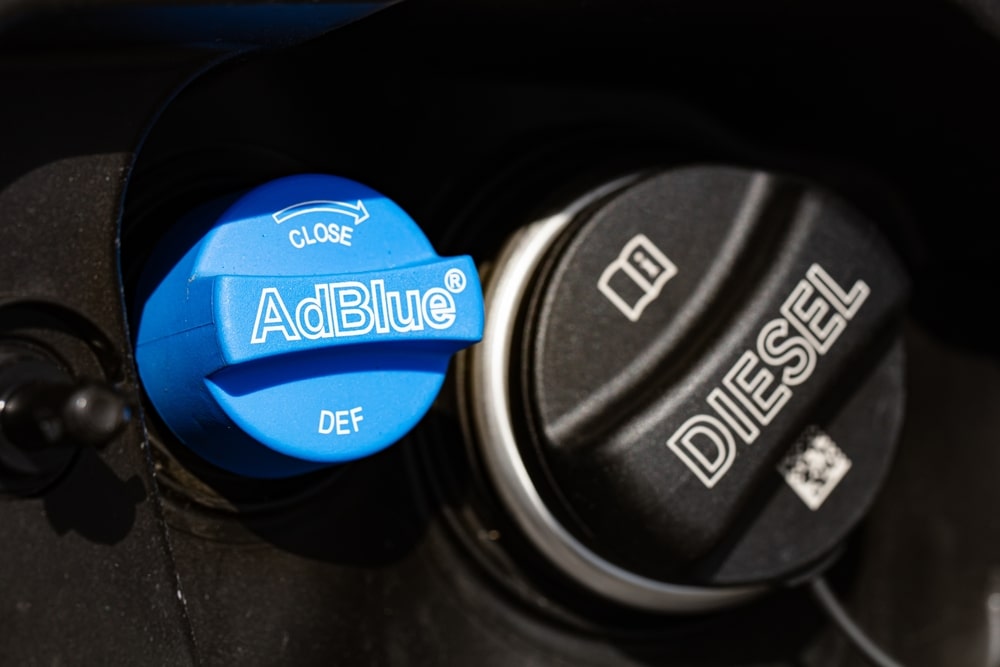
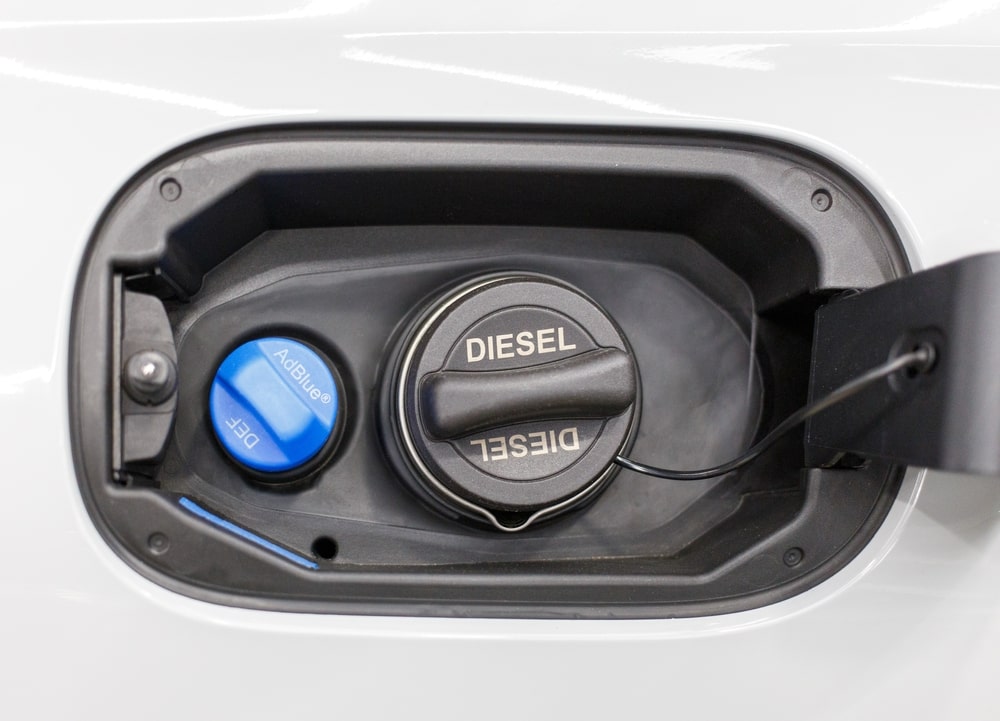
AdBlue is a high-purity, non-toxic, colorless solution composed of 32.5% urea and 67.5% deionized water. It is not a fuel additive and is stored in a separate tank in vehicles equipped with SCR systems. AdBlue is injected into the exhaust stream, where it reacts with NOx gases to significantly reduce emissions.
Why Is AdBlue Essential in BS6 Engines?
Under BS6 norms, diesel engines are required to reduce NOx emissions by over 70% compared to BS4 levels. Without AdBlue, SCR systems cannot function effectively. This makes AdBlue indispensable for medium and heavy-duty vehicles running on diesel in the post-BS6 era.
How SCR Technology Works with AdBlue
SCR is a proven emission control technology that uses AdBlue to chemically reduce nitrogen oxides into harmless compounds before they exit the exhaust.
SCR System Functionality
In a BS6 diesel engine, the exhaust gases first pass through a diesel oxidation catalyst (DOC), followed by the SCR unit. AdBlue is sprayed into the exhaust before it reaches the SCR catalyst. The heat of the exhaust converts AdBlue into ammonia, which then reacts with NOx gases, turning them into nitrogen and water.
Components of an SCR System
A typical SCR system includes the AdBlue tank, injection nozzle, control unit, and the SCR catalyst. These components work in unison to continuously monitor and adjust AdBlue dosing based on engine load and speed, ensuring optimum emission reduction.
Benefits of Using AdBlue in BS6 Vehicles
Incorporating AdBlue into diesel engine systems offers environmental, mechanical, and economic advantages.

Environmental Benefits
The primary benefit of AdBlue is its ability to drastically reduce NOx emissions—a major contributor to air pollution and respiratory issues. BS6-compliant vehicles using AdBlue help in building a cleaner, healthier environment.
Engine Efficiency and Fuel Economy
SCR systems using AdBlue allow diesel engines to run at higher combustion temperatures, which improves fuel efficiency. As a result, vehicle operators enjoy better mileage with reduced engine wear and cleaner exhaust systems.
AdBlue Consumption and Refilling Practices
Understanding how much AdBlue your vehicle needs and when to refill it is key to maintaining emission compliance.
Typical Consumption Rates
On average, a BS6 diesel vehicle consumes about 1–3 liters of AdBlue for every 100 liters of diesel, depending on driving conditions and engine type. Vehicles are equipped with sensors that alert drivers when AdBlue levels are low.
Best Practices for Refilling
Always use certified AdBlue from reputable suppliers like Azure Chemical. Avoid contamination by using clean dispensing equipment, and never top off with water or unapproved substitutes, as they can damage the SCR system and void warranties.
Storage and Handling Guidelines for AdBlue
Proper storage and handling ensure the integrity of AdBlue, especially in regions with extreme weather.

Ideal Storage Conditions
AdBlue should be stored in a cool, dry, and well-ventilated area. Its shelf life is about 12 months if kept below 30°C. Freezing may occur below -11°C, but thawing does not affect its performance if it remains uncontaminated.
Safe Handling and Transportation
While AdBlue is non-toxic, it can corrode certain metals. Use plastic or stainless steel containers for transportation and always wear gloves when handling large volumes.
Common Misconceptions About AdBlue
Misinformation can lead to improper use, risking both engine performance and emission compliance.
Myth: AdBlue is Harmful or Toxic
AdBlue is completely safe and non-toxic when handled correctly. It poses no harm to humans or the environment and is biodegradable.
Myth: AdBlue Increases Fuel Costs
Contrary to belief, AdBlue use actually improves fuel efficiency due to optimized engine performance. The minor cost of AdBlue is usually offset by savings in diesel consumption.
Challenges and Maintenance of SCR and AdBlue Systems
Despite their benefits, these systems require routine care to function optimally.
Importance of Regular System Checks
Routine checks ensure AdBlue quality and system integrity. Clogged injectors, faulty sensors, or low-grade AdBlue can lead to system failures and increased emissions.
Impact of Using Poor-Quality AdBlue
Low-quality or contaminated AdBlue can crystalize in the injector, block the SCR system, and lead to costly repairs. Only purchase AdBlue from trusted DEF manufacturers like Azure Chemical.
Government Regulations Around AdBlue
Policy support is critical in promoting cleaner technologies across the automotive industry.
BS6 Compliance Enforcement
BS6 norms are legally binding, and failure to comply can result in penalties and restricted vehicle registration. Vehicles running without AdBlue or with malfunctioning SCR systems risk non-compliance.
Future Emission Norms and AdBlue Relevance
As emission standards continue to evolve, the demand for high-purity AdBlue will grow. Its use will extend to more vehicle categories, making quality supply chains even more important.
The Role of Azure Chemical in AdBlue Supply Chain
A reliable supply of certified AdBlue is essential for the smooth functioning of BS6 diesel fleets.
https://www.shutterstock.com/image-photo/jhargram-west-bengal-november-22-2023-2392188401
Manufacturing and Quality Assurance
Azure Chemical manufactures AdBlue to ISO 22241 standards, ensuring purity, performance, and compatibility with all BS6 SCR systems. Advanced lab testing ensures consistency in every batch.
National Distribution and Fleet Support
With a nationwide logistics network, Azure Chemical ensures timely delivery of AdBlue to transportation fleets, dealerships, and service stations. Fleet programs also offer bulk delivery, storage solutions, and on-site training.
Frequently Asked Questions
1. What is AdBlue used for in BS6 vehicles?
AdBlue is used in SCR systems to reduce nitrogen oxide emissions in BS6 diesel engines.
2. How often do I need to refill AdBlue?
Typically, every 5,000 to 10,000 km depending on driving conditions and vehicle type.
3. Can I use water instead of AdBlue?
No. Water or low-quality substitutes will damage the SCR system and void warranties.
4. Is AdBlue harmful to humans or pets?
No, AdBlue is non-toxic and safe when handled properly.
5. What happens if my vehicle runs out of AdBlue?
Most BS6 vehicles will enter a limp mode or refuse to start until AdBlue is refilled.
Conclusion
As BS6 emission norms reshape India’s diesel landscape, AdBlue and SCR technology are central to driving change. From lowering nitrogen oxide emissions to improving engine efficiency, AdBlue is no longer an optional component—it’s a critical necessity for compliance and sustainability.
At Azure Chemical, we specialize in manufacturing and distributing high-grade AdBlue that keeps your BS6 diesel engines running clean and compliant. Whether you operate a commercial fleet or a single heavy-duty vehicle, our certified products and nationwide support ensure that your SCR systems perform at their best—safely and efficiently.
Trust Azure Chemical to power your journey toward cleaner transportation. Contact us today to learn more about AdBlue solutions tailored to your needs.