Contents
Immediate Effects on Engine Performance
When your diesel exhaust fluid tank runs low or empty, modern vehicles don’t simply shut off. Instead, they force the engine into a restricted “limp mode” to ensure you can still drive safely to a refill point.
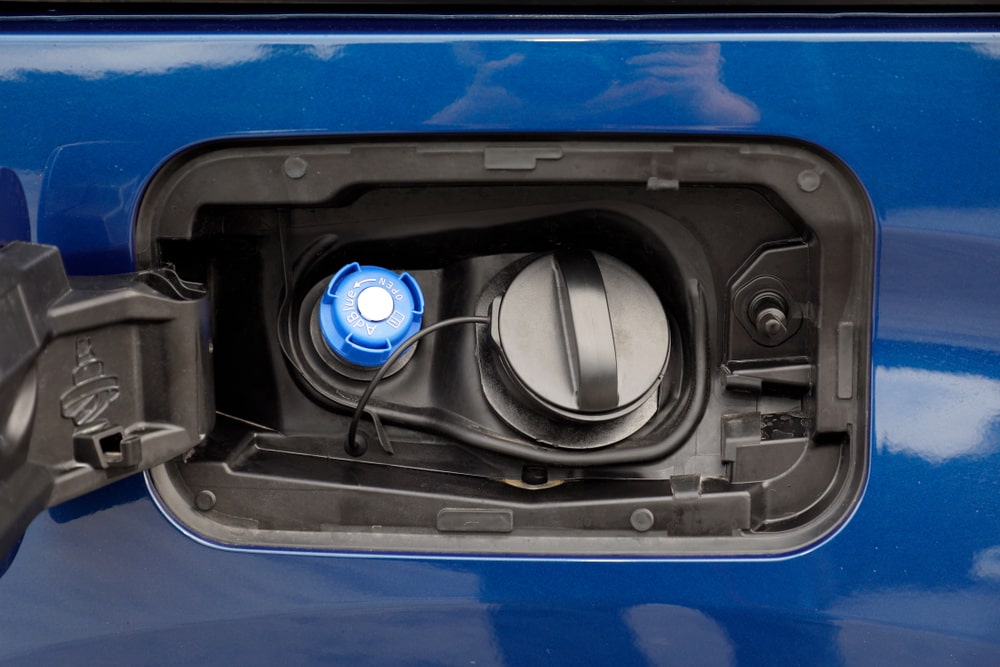
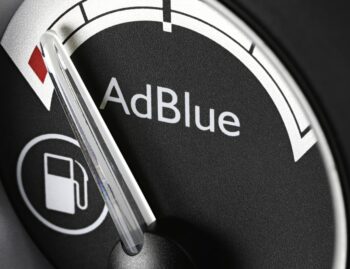
Dashboard warnings begin well ahead of empty—often at 2,500, 1,000, 500, and finally under 100 miles remaining. As the DEF depletes, power output is gradually reduced and speed may be limited to as low as 5 mph. This throttle-back prevents non-compliance with emissions rules while letting you reach a service area.
Limp Mode Activation
Limp mode kicks in once DEF hits critical low. Your vehicle’s speed is limited, engine torque is cut, and acceleration becomes sluggish. This acts as a final safeguard to avoid injury or stranded conditions—an inconvenience, but better than an unexpected breakdown when DEF completely runs out.
Immediate Restart Restriction
If the engine is shut off when the tank is empty, many systems won’t allow a restart until DEF is replenished. It’s not engine failure, but a deliberate block designed to prioritize environmental standards and protect emission system integrity.
Long-Term Damage Risks
Allowing the diesel exhaust fluid level to fully deplete may cause damage over time, despite the built-in safeguards.
A depleted DEF tank can lead to costly damage like clogged SCR units or failed sensors, including DEF headers and quality sensors. The DEF header may overheat or sensors fail if starved of fluid, and soot buildup in the SCR catalyst can reduce performance or cause system shutdown. Remedying these issues may involve expensive cleaning, component replacement, or sensor repairs.
Sensor and DEF Header Failures
Running dry can overtax temperature and level sensors, leading to replacement costs for components like DEF headers. These parts monitor temperature, fluid quality, and injection—critical for SCR health and emissions compliance.
Soot Buildup in SCR Catalyst
Without urea from DEF, NOx reduction fails. This can lead to the SCR catalyst clogging with soot, triggering increased backpressure and degraded engine efficiency over time. If left unaddressed, this can cause ongoing engine issues and higher repair bills.
Warning Signals and Alerts
Modern vehicles use diesel exhaust fluid tracking to alert the driver well before empty to prevent automatic shutdowns.
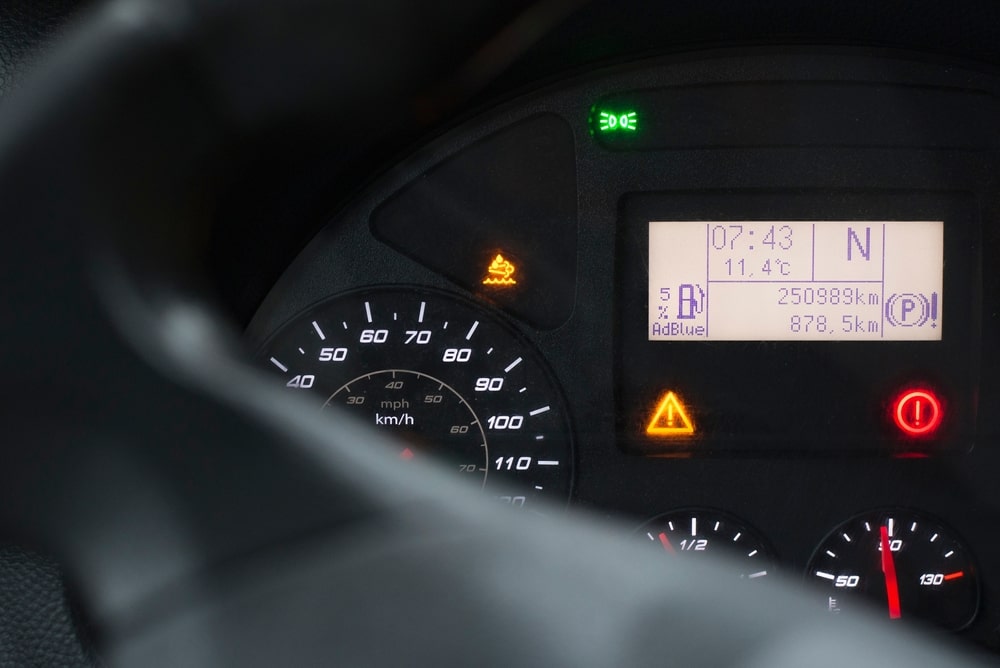
Indicators escalate as levels drop—starting around 2,500 miles remaining and advancing to critical warnings below 100 miles. These alerts almost always include visual cues on the dash and audible warnings. Ignoring them leads to limp mode and eventually a stall until DEF is refilled.
Dashboard Alerts Strategy
Manufacturers implement staged warnings: initial notices for awareness, escalating alerts for urgency, and final restrictions. This system ensures drivers have ample time to refill before significant loss of performance or engine shutdown.
Visual and Audible Reminders
Expect flashing icons, engine management messages, or chime alerts when DEF is low. These prompts remain persistent until refilled, making it unlikely to run dry accidentally.
Best Practices to Avoid Running Dry
Ensuring a full diesel exhaust fluid tank before a journey is essential—not just for compliance, but for uninterrupted performance.
Always top off DEF with every fuel fill or at least every few tanks. DEF is consumed at roughly 2–4% of fuel volume. Store in original sealed containers, keep it cool, and check expiry dates—expired DEF can crystallize, potentially clogging injectors.
Scheduled Top-Off Routines
Making DEF refills part of your fuel stop routine ensures you’re always topped up. Since DEF use mirrors fuel consumption, this approach keeps your tank above warning thresholds and prevents the inconvenience of limp mode activation.
Proper Handling and Storage
Store DEF in sealed containers away from heat and sun to prevent degradation or contamination. Use only certified fluids to ensure SCR system compatibility and avoid breakdowns from heat-damaged or impure fluid.
Cold Weather Considerations
Diesel exhaust fluid freezes at around −11 °C, leading to more frequent refills and slower warm-ups in cold weather.
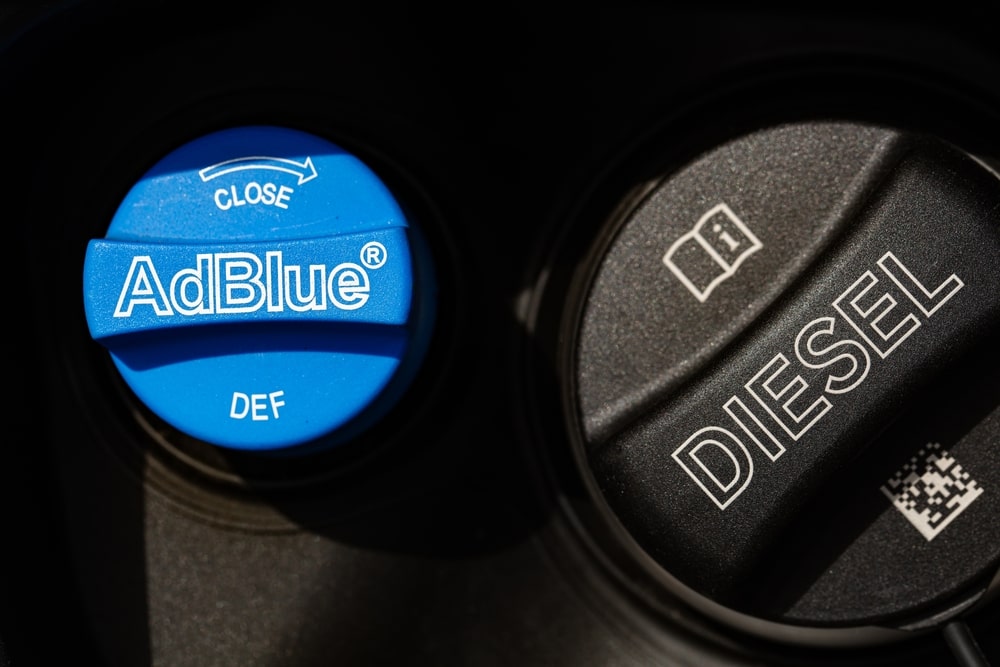
Most vehicles include tank heaters that thaw DEF during engine operation. Plan ahead in winter—use winter-grade DEF, schedule longer warm-up runs, and ensure heaters are functional to maintain SCR efficiency on start-up.
Tank Heaters and DEF Thawing
Frozen DEF won’t harm SCR, but heaters take anywhere from 20 minutes to an hour to thaw it fully. Ensure heaters are serviced before winter to maintain emissions compliance and avoid delays.
Seasonal Fluid Management
In cold climates ensure DEF is fresh, and avoid letting tanks drop too low. Schedule pre-season maintenance to keep tanks and heaters in ready condition so DEF flow is uninterrupted even on the coldest mornings.
Fleet Management Tools
For fleets, managing DEF levels is critical—systems now offer telemetry monitoring to prevent service interruptions.
Fleet software can alert drivers and managers of low DEF levels, helping prevent breakdowns and costly repairs. Centralized alerting also reduces administrative workload while improving operational uptime and compliance.
Vehicle Telematics Integration
Modern diesel trucks can wire DEF level data to fleet telematics platforms, generating early refill reminders or alerting fleet managers to supply needs—keeping vehicles running smoothly and reducing risk of non-compliance fines.
Maintenance on the Go
Telematics combined with on-the-road DEF storage ensures that low DEF never leaves your fleet stranded. Proactive supply measures are much more effective than reactive maintenance, supporting higher vehicle availability and profitability.
FAQ
What happens when the DEF tank is empty?
Your engine enters limp mode, limiting speed and reducing power. It will also prevent restart until DEF is refilled.
Will running out of DEF damage the engine?
No immediate damage occurs, but depleted DEF can lead to sensor and SCR damage over time—repairing which can be costly.
How long can I drive on empty DEF?
You can continue at reduced performance until shutdown, but restarting requires a refill. Warnings begin hundreds of miles before depletion.
Is DEF safe to handle and store?
Yes—DEF is non-toxic. Store it in sealed, cool containers away from direct sunlight to prevent degradation.
How often should I refill DEF?
Topping off with each fuel fill is best. DEF is used at 2–4% of diesel volume, so regular monitoring is recommended.
Conclusion
Running out of diesel exhaust fluid may not immediately disable a diesel engine—but it triggers emissions-related performance limits designed to enforce compliance and protect SCR systems. At Azure Chemical, we supply high-quality DEF and technical guidance to prevent downtime, damage, and costly repairs. Keep your tanks topped off, plan for cold weather, and leverage fleet monitoring tools. When the fluid runs dry, performance drops—so stay proactive with Azure Chemical to ensure smooth, compliant diesel operation. Contact us today.