Contents
- 1 Understanding Diesel Exhaust Fluid and Its Purpose
- 2 Immediate Steps to Take After Adding DEF to the Coolant System
- 3 Potential Damage Caused by DEF Contamination
- 4 How to Prevent DEF Misfuelling Accidents
- 5 Long-Term Consequences and Warranties
- 6 The Science Behind DEF’s Chemical Reaction with Coolant
- 7 Signs You’ve Made the Mistake
- 8 FAQs
- 9 Conclusion
Understanding Diesel Exhaust Fluid and Its Purpose
Before addressing the consequences of DEF misplacement, it’s crucial to understand what it is and how it’s used.
What Is Diesel Exhaust Fluid (DEF)?
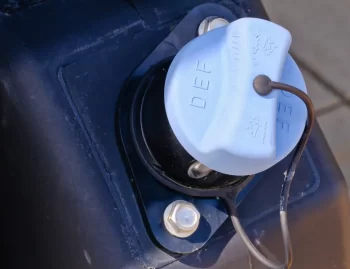
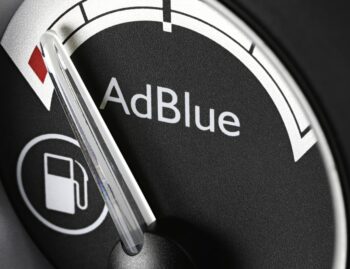
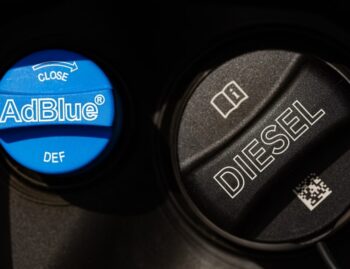
Diesel Exhaust Fluid is a non-toxic solution composed of 32.5% urea and 67.5% deionized water. It’s used in diesel engines with Selective Catalytic Reduction (SCR) systems to reduce harmful nitrogen oxide (NOx) emissions. DEF is stored in a separate tank and injected into the exhaust stream—not the engine or coolant system.
Why DEF and Coolant Don’t Mix
DEF and engine coolant serve entirely different purposes and have incompatible chemical properties. The urea and water mixture in DEF can corrode metal parts and damage plastic components when introduced into the cooling system. Coolant is designed to regulate engine temperature and protect the engine from overheating, while DEF manages emissions.
Immediate Steps to Take After Adding DEF to the Coolant System
If you’ve accidentally poured diesel exhaust fluid into your vehicle’s coolant reservoir, you must act quickly to prevent serious engine damage.
Do Not Start the Engine
Starting the engine will circulate the contaminated coolant throughout the system, potentially damaging the radiator, water pump, head gasket, and other internal parts. If the engine hasn’t been started yet, you’re in a better position to mitigate damage.
Drain the Coolant System Immediately
The entire coolant system must be drained and flushed multiple times to remove all traces of DEF. A certified mechanic should handle this task to ensure thorough cleaning and proper disposal of contaminated fluid. Using specialized cleaning agents can help neutralize any residue.
Potential Damage Caused by DEF Contamination
Even a small amount of diesel exhaust fluid in the coolant can result in costly repairs if not addressed promptly.

Corrosion of Internal Components
DEF is corrosive to certain metals and rubber seals commonly found in coolant systems. Prolonged exposure may lead to leaks, rust, and internal degradation of the engine components.
Overheating and Engine Failure
If DEF compromises the cooling system’s integrity, the engine can overheat. Overheating can cause warped cylinder heads, blown head gaskets, and, ultimately, engine failure.
How to Prevent DEF Misfuelling Accidents
Prevention is key when dealing with substances that are not interchangeable. Here’s how you can avoid this costly error.
Label All Fluid Caps Clearly
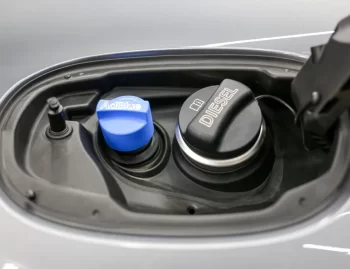
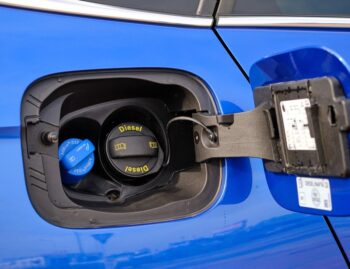
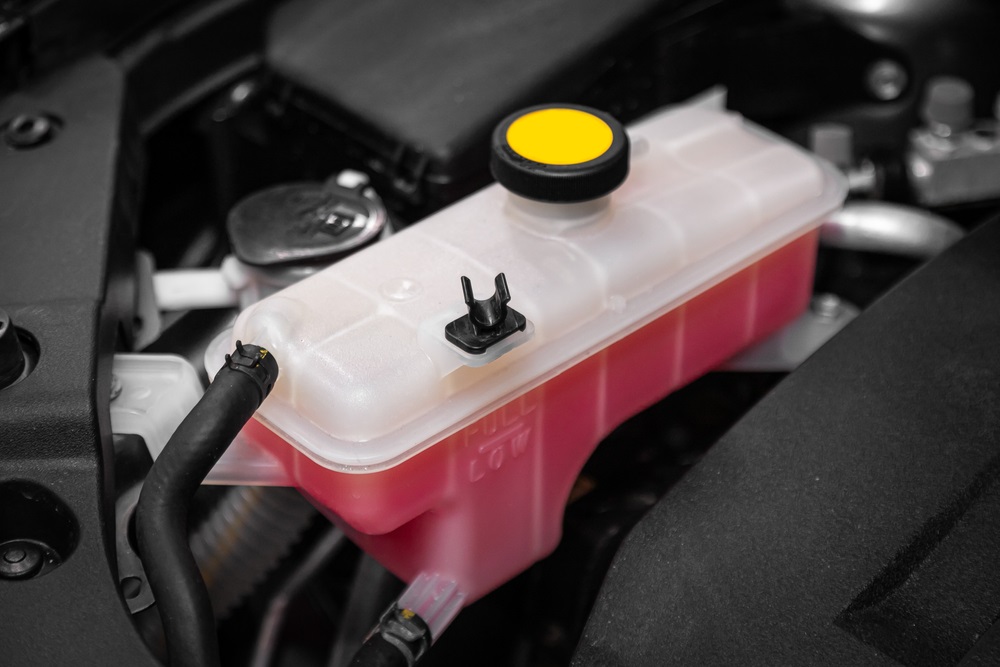
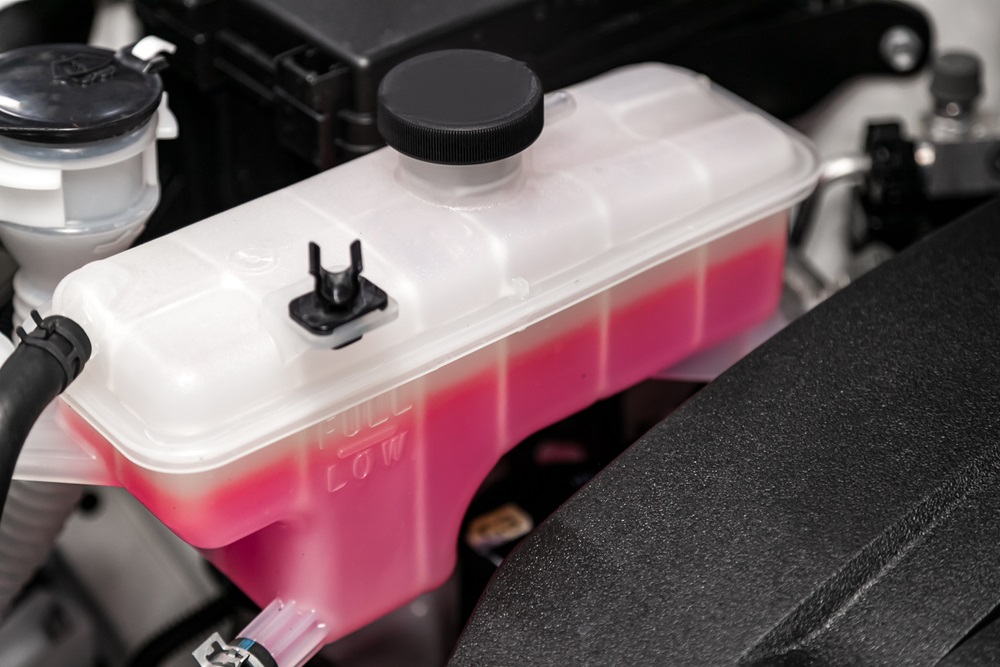
Make sure the DEF and coolant reservoir caps are clearly labeled. Many vehicles already come with distinct color codes, but adding extra labeling can reduce confusion—especially for fleet drivers or in shared vehicle situations.
Educate Drivers and Maintenance Personnel
Ensure that anyone who handles vehicle maintenance is trained on where and how to add DEF. A simple checklist or training video can prevent thousands of dollars in damage.
Long-Term Consequences and Warranties
If DEF contamination is not properly handled, your warranty might be at risk.

Impact on Vehicle Warranty
Most vehicle warranties do not cover user errors, such as putting DEF in the wrong reservoir. That means any repairs will likely come out of pocket unless you have specialized insurance coverage.
Documentation and Professional Service
Always get professional service and keep records of the repairs and flushes. These can be useful for resale value or in case warranty disputes arise.
The Science Behind DEF’s Chemical Reaction with Coolant
How DEF Reacts with Coolant
When DEF comes into contact with coolant, it can cause crystallization. These crystals can clog passages within the radiator, heater core, and engine block, leading to fluid blockage and heat buildup.
Why Prompt Flushing Is Crucial
Because DEF rapidly reacts with heat and coolant additives, it is essential to flush it out immediately to avoid chemical reactions that create solid deposits inside the cooling system.
Signs You’ve Made the Mistake

Warning Lights and Alerts
Modern vehicles may detect contamination in the coolant system and trigger check-engine lights or high-temperature warnings. If you notice any unexpected dashboard alerts, stop driving immediately and get the vehicle inspected.
Unusual Smells or Smoke
If DEF has entered the coolant and the engine was started, you may notice a chemical smell or even white smoke. These are urgent signs to shut off the engine and seek professional help.
FAQs
1. What happens if I accidentally put DEF in the coolant reservoir?
DEF can cause corrosion and engine damage. Do not start the engine. Immediately flush and clean the system.
2. Can I fix this issue without a mechanic?
It’s not recommended. DEF contamination requires professional flushing and cleaning.
3. Is DEF the same as coolant?
No, DEF is used in the emissions system while coolant is for regulating engine temperature.
4. Will my car warranty cover DEF contamination repairs?
Typically not. Most warranties don’t cover user errors like misfuelling.
5. How can I prevent mixing up DEF and coolant?
Use labels, educate users, and never guess. Refer to the vehicle manual if unsure.
Conclusion
Mistakenly adding diesel exhaust fluid to the coolant system is a serious issue, but with fast action and the right knowledge, it can be remedied. At Azure Chemical, we not only provide high-quality DEF, but we also prioritize educating users on proper handling and storage. Trust Azure Chemical for DEF that meets ISO 22241 standards and expert guidance on DEF use. Contact us today.