Some liquid fertilizers remain usable for years when stored correctly, while organic or biologically active products may break down much faster. Understanding shelf life, storage conditions, and warning signs helps protect plant health, reduce waste, and maintain consistent application results.
Contents
- 1 Does Liquid Fertilizer Expire Or Just Lose Strength?
- 2 How Long Does Liquid Fertilizer Usually Last?
- 3 Signs That Liquid Fertilizer Has Gone Bad
- 4 Why Proper Storage Extends Liquid Fertilizer Shelf Life
- 5 Does Liquid Fertilizer Expire Differently Than Granular Fertilizer?
- 6 How To Test Liquid Fertilizer Before Using It
- 7 Two Extra Factors That Affect Liquid Fertilizer Quality
- 8 How Azure Chemical Supports Reliable Liquid Fertilizer Handling
- 9 FAQ
- 10 Conclusion
Does Liquid Fertilizer Expire Or Just Lose Strength?
Does liquid fertilizer expire in the same way food does? Not exactly. In many cases, it does not suddenly become unusable on one specific date, but its nutrient balance, consistency, solubility, and effectiveness can decline over time.
Synthetic Liquid Fertilizers Usually Last Longer
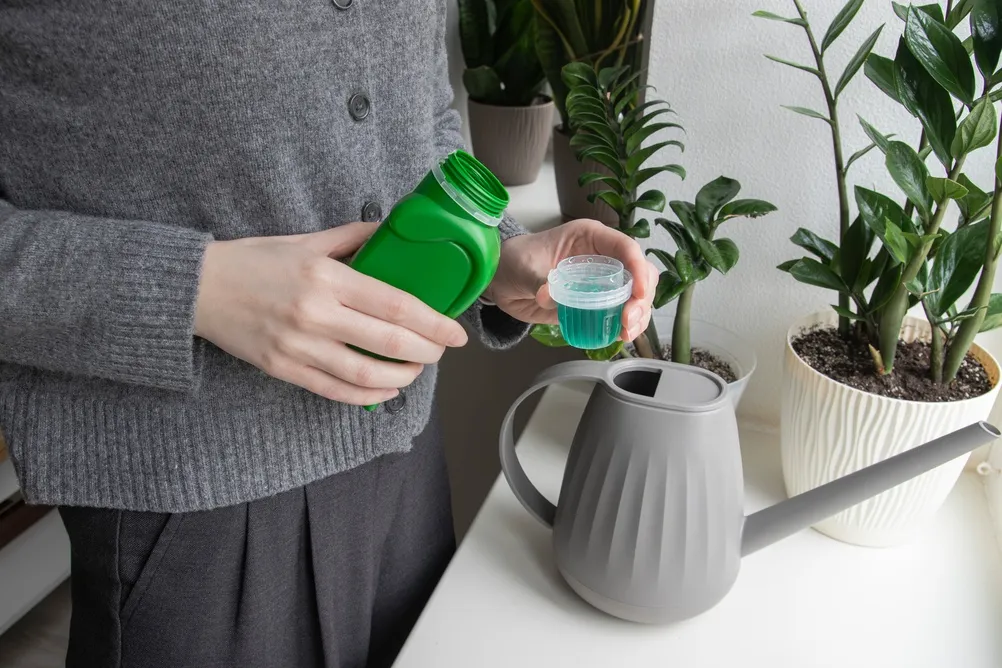
Synthetic liquid fertilizers are typically more stable than organic formulas because they contain refined mineral nutrients in solution. When sealed, stored away from sunlight, and protected from extreme temperatures, they may remain effective for a long period. However, separation, crystallization, or contamination can still reduce performance.
Organic Liquid Fertilizers Break Down Faster
Organic liquid fertilizers often contain natural materials that can ferment, separate, smell stronger, or degrade faster. If a product contains fish emulsion, seaweed extract, compost-based ingredients, or biological additives, it should be used more carefully within the manufacturer’s recommended timeframe.
How Long Does Liquid Fertilizer Usually Last?
When people ask does liquid fertilizer expire, the real concern is shelf life. The answer depends on formulation, storage, and whether the product has been opened or diluted.
Unopened Liquid Fertilizer
Unopened liquid fertilizer generally lasts longer because it is protected from air exposure, dirt, water contamination, and repeated temperature swings. Always check the product label, but a sealed container stored properly usually has the best chance of maintaining nutrient quality.
Opened Liquid Fertilizer
Once opened, liquid fertilizer becomes more vulnerable to contamination and evaporation. If the cap is not tightly sealed, water can evaporate, nutrients may concentrate unevenly, and sediment may form. Opened containers should be sealed immediately after use and stored in a cool, dry location.
Diluted Liquid Fertilizer
Diluted fertilizer should usually be used quickly. Once mixed with water, it becomes more vulnerable to microbial growth, nutrient instability, and inconsistent application strength. Avoid storing diluted fertilizer for long periods unless the product label specifically allows it.
Signs That Liquid Fertilizer Has Gone Bad
Does liquid fertilizer expire visibly? Often, yes. Changes in smell, texture, color, or consistency can indicate that the product is no longer performing as intended.
Strong Odor Or Fermentation
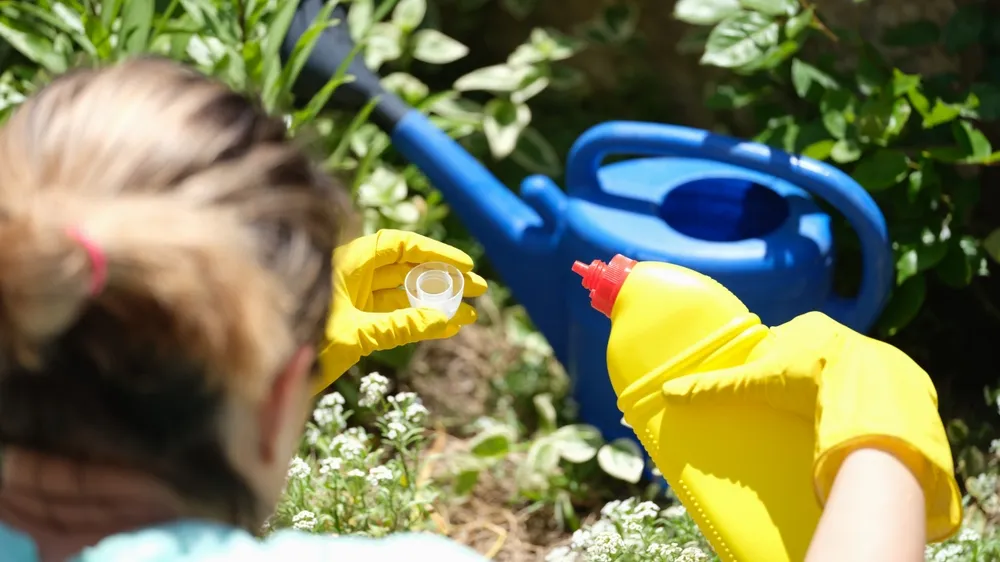
Some fertilizers naturally have a strong smell, especially organic products. However, if the odor becomes unusually sour, rotten, or fermented compared to when it was purchased, the product may have degraded or become contaminated.
Crystals, Clumps, Or Heavy Sediment
Some settling can be normal, but hard crystals, thick sludge, or sediment that will not remix may indicate nutrient fallout or instability. If nutrients are no longer evenly suspended, application rates may become unreliable.
Swollen Containers Or Leaking Packaging
A swollen container can indicate gas buildup, especially in organic products. Leaks, cracked caps, or damaged packaging also increase contamination risk and should be treated seriously.
Why Proper Storage Extends Liquid Fertilizer Shelf Life
Does liquid fertilizer expire faster when stored poorly? Yes. Storage conditions are one of the biggest factors affecting product stability and performance.
Keep It Away From Heat And Direct Sunlight
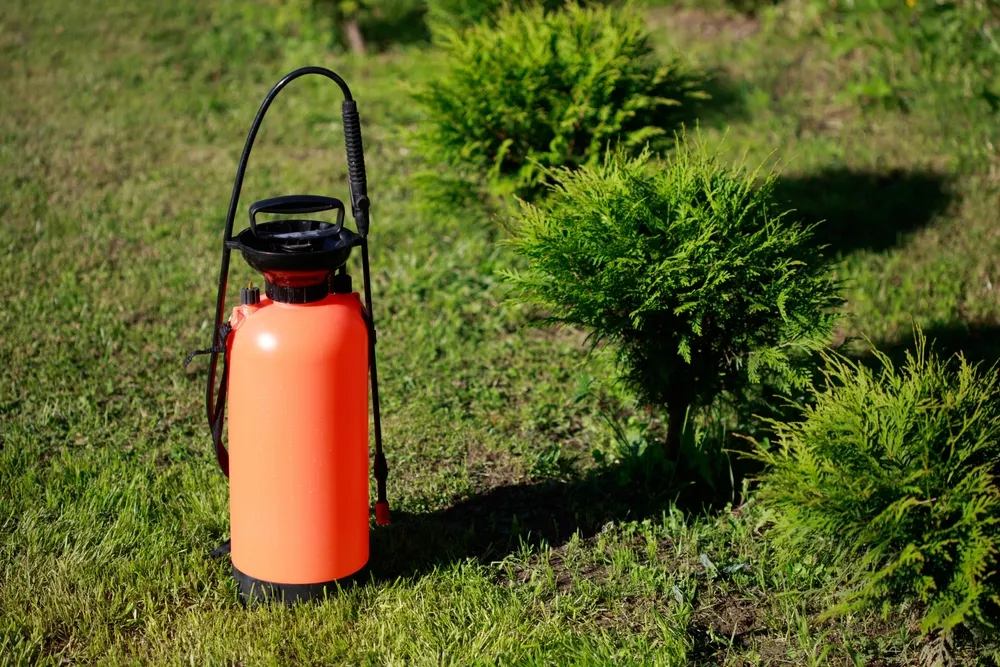
Heat can accelerate chemical breakdown, increase pressure inside containers, and cause nutrient instability. Direct sunlight may also affect certain formulas. A shaded, temperature-controlled storage area is ideal.
Avoid Freezing Temperatures
Freezing can separate ingredients, damage containers, and alter the product’s consistency. Some fertilizers may remix after thawing, while others may not return to normal. If a product has frozen, inspect it carefully before use.
Store Containers Upright And Sealed
Keeping containers upright prevents leaks and reduces the chance of cap contamination. A tight seal helps prevent evaporation, moisture entry, and exposure to airborne debris.
Does Liquid Fertilizer Expire Differently Than Granular Fertilizer?
Does liquid fertilizer expire faster than granular fertilizer? In many cases, yes, because liquid formulas are more sensitive to temperature, contamination, and separation.
Liquid Fertilizer Is More Sensitive To Storage Conditions
Liquid products are already dissolved or suspended, which makes them convenient for fast application but also more vulnerable to instability. If storage conditions are poor, quality can decline faster than dry fertilizer.
Granular Fertilizer Often Has A Longer Shelf Life
Granular fertilizer is typically more stable when kept dry and protected from moisture. However, it can still clump, absorb humidity, or become harder to spread evenly if stored improperly.
How To Test Liquid Fertilizer Before Using It
Before applying older fertilizer, inspect it carefully. If you are unsure whether a product is still usable, testing a small amount first can prevent wasted application or potential plant stress.
Shake Or Stir And Check Consistency
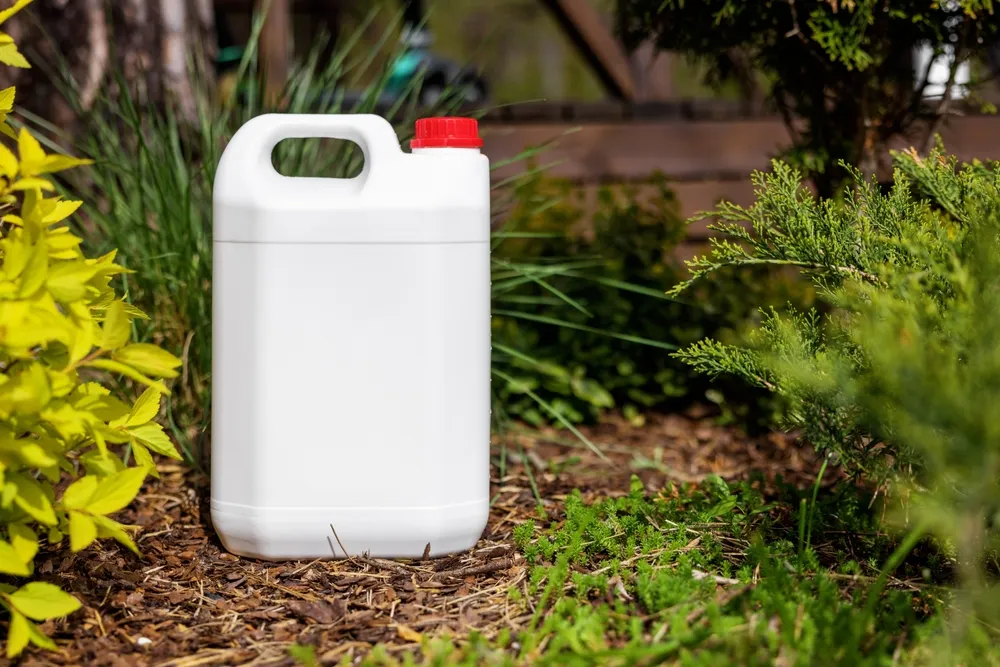
If the label allows shaking, mix the container thoroughly and observe whether the liquid returns to a consistent texture. If it remains chunky, crystallized, or separated, it may no longer be reliable.
Apply A Small Test Area First
Before using older fertilizer on an entire crop, lawn, or garden, apply it to a small area and watch for plant response. This cautious approach helps avoid widespread damage if the product has degraded.
Follow Nutrient Management Best Practices
Responsible fertilizer use includes applying the right product at the right rate and time. For broader guidance, review USDA nutrient management principles and EPA fertilizer runoff guidance to support safer, more efficient application.
Two Extra Factors That Affect Liquid Fertilizer Quality
Some liquid fertilizers fail early not because of age alone, but because of contamination or poor handling. These factors are easy to overlook but important for performance.
Contamination From Dirty Equipment
Using dirty measuring cups, pumps, hoses, or tanks can introduce bacteria, soil, or other residues into the fertilizer container. Once contamination enters the container, quality can decline faster. Always use clean application equipment and avoid pouring unused diluted fertilizer back into the original container.
Wrong Mixing Practices
Mixing incompatible products can cause precipitation, clogging, or nutrient lockout. If you combine fertilizers with other inputs, always check compatibility first. Poor mixing can make a fresh product behave like an expired one.
How Azure Chemical Supports Reliable Liquid Fertilizer Handling
Does liquid fertilizer expire less quickly with better handling and supply practices? Proper storage, transportation, and product management can make a major difference. Reliable chemical handling is especially important for agricultural operations that depend on consistency.
Importance Of Clean Supply And Storage Systems
Clean storage tanks, sealed containers, and controlled handling reduce contamination risk. This is especially important for liquid agricultural products where consistency affects application accuracy and crop performance.
FAQ
Does Liquid Fertilizer Expire If It Is Unopened?
Yes, it can eventually lose quality, but unopened liquid fertilizer usually lasts longer when stored in a cool, dry, sealed environment away from sunlight and freezing temperatures.
How Can You Tell If Liquid Fertilizer Is Bad?
Warning signs include strong unusual odor, crystals, sludge, separation that will not remix, swollen containers, leaks, or visible contamination.
Can You Use Expired Liquid Fertilizer?
Sometimes older fertilizer may still work, but it should be inspected carefully and tested on a small area first. If it smells wrong, separates badly, or forms crystals, it is safer not to use it.
Does Diluted Liquid Fertilizer Expire Faster?
Yes. Diluted fertilizer is less stable and should usually be used soon after mixing unless the label says otherwise.
What Is The Best Way To Store Liquid Fertilizer?
Store it sealed, upright, away from direct sunlight, protected from freezing, and away from heat sources. Use clean equipment to prevent contamination.
Conclusion
So, does liquid fertilizer expire? Yes, liquid fertilizer can lose strength, separate, crystallize, or become contaminated over time, especially when stored poorly or diluted too early. The best way to protect fertilizer performance is to store it properly, inspect it before use, follow label instructions, and apply it according to sound nutrient management practices.
At Azure Chemical, we understand that chemical quality depends on clean handling, dependable supply, and proper storage. As we expand support for agricultural and industrial fluid solutions, our upcoming liquid fertilizer solutions page will help growers and operators access reliable products and guidance built around performance, consistency, and responsible handling.