Unlike granular fertilizer, liquid fertilizer is already in solution, allowing nutrients to become available more quickly when applied correctly. This makes it useful for rapid nutrient correction, seasonal feeding, foliar application, fertigation, and precision agriculture programs.
Contents
- 1 How Do You Use Liquid Fertilizer Correctly?
- 2 How Do You Use Liquid Fertilizer With The Right Equipment?
- 3 How Do You Use Liquid Fertilizer For Foliar Feeding?
- 4 How Do You Use Liquid Fertilizer For Soil Feeding?
- 5 Timing Liquid Fertilizer Applications For Best Results
- 6 Two Extra Factors That Improve Liquid Fertilizer Performance
- 7 Common Mistakes To Avoid When Using Liquid Fertilizer
- 8 Liquid Fertilizer Safety And Professional Best Practices
- 9 FAQ
- 10 Conclusion
How Do You Use Liquid Fertilizer Correctly?
How do you use liquid fertilizer correctly starts with reading the product label, understanding the nutrient analysis, and applying the right amount at the right time.
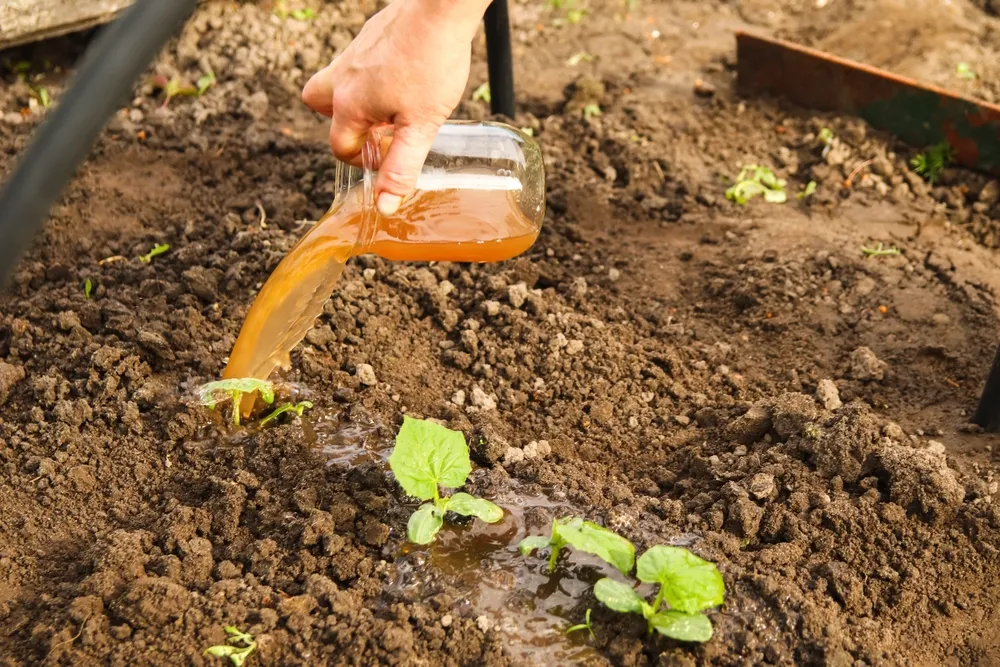
Liquid fertilizer can be highly effective, but overapplication or poor timing can waste nutrients and increase the risk of runoff.
Read The Fertilizer Label Before Mixing
Every liquid fertilizer includes nutrient information, application rates, dilution instructions, and safety guidance. The label helps you understand the nitrogen, phosphorus, potassium, and micronutrient content so you can match the product to your soil and crop needs. Following label rates also helps prevent plant burn, nutrient imbalance, and unnecessary waste.
Match The Application Rate To The Crop Or Turf
Different plants need different nutrient levels. A vegetable crop, grain field, orchard, lawn, or commercial landscape may all require different application schedules. Soil testing and crop requirements should guide the final rate rather than guesswork.
How Do You Use Liquid Fertilizer With The Right Equipment?
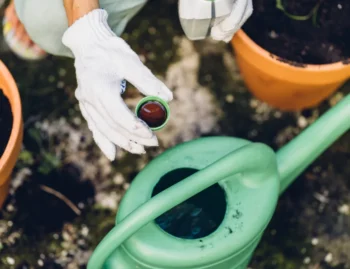
How do you use liquid fertilizer depends heavily on the equipment available. Liquid products can be applied through sprayers, irrigation systems, hose-end applicators, or injection systems depending on the scale of use.
Sprayers For Field And Turf Application
Sprayers are commonly used for broad application across fields, lawns, and commercial landscapes. Proper calibration is essential because uneven spray patterns can create overfed and underfed areas. Clean nozzles, correct pressure, and proper boom height help improve coverage and reduce drift.
Fertigation Through Irrigation Systems
Fertigation applies liquid fertilizer through irrigation water, allowing nutrients to be distributed with moisture.
This can improve efficiency when managed carefully, especially in agriculture and greenhouse systems. Operators should monitor flow rate, dilution, and system compatibility to avoid clogging or uneven feeding.
How Do You Use Liquid Fertilizer For Foliar Feeding?
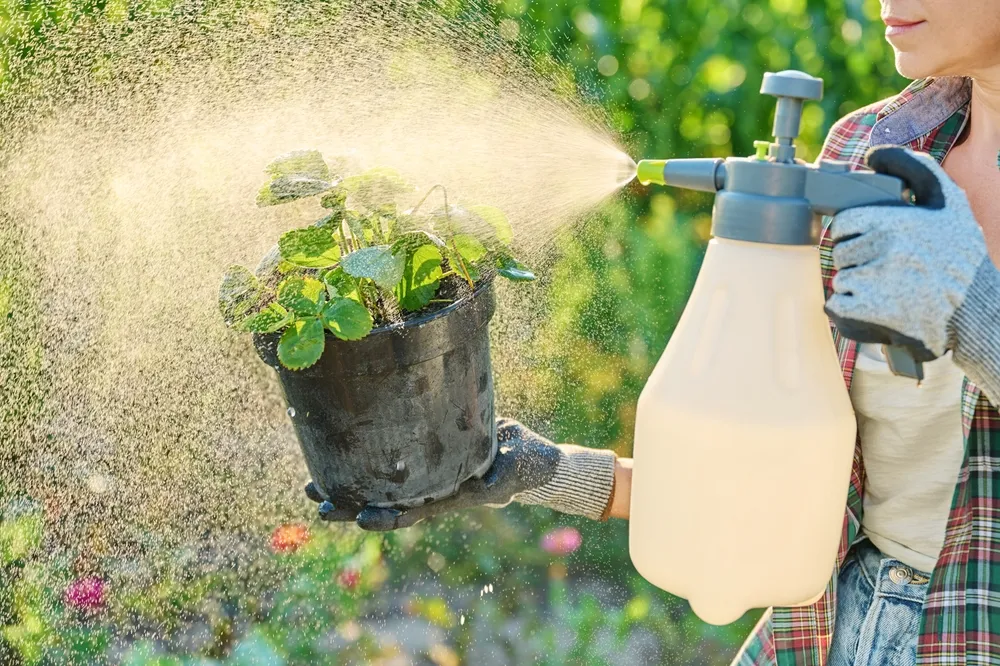
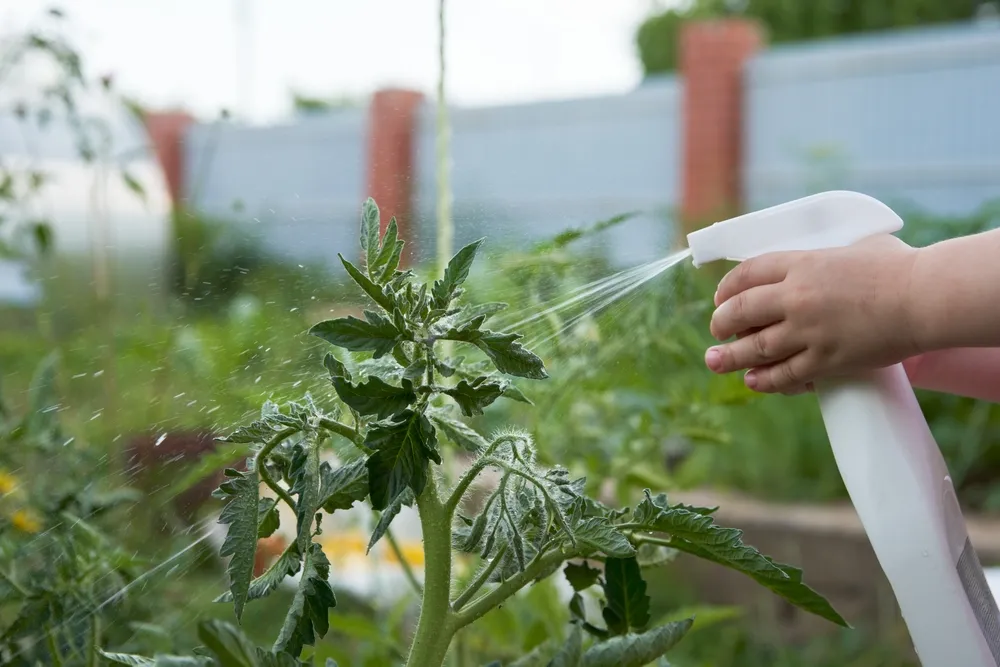
How do you use liquid fertilizer for foliar feeding involves applying nutrients directly to plant leaves. This method can be helpful when plants need quick nutrient support, but it must be done carefully to avoid leaf burn.
Apply During Cooler Parts Of The Day
Foliar feeding is often best done early in the morning or later in the day when temperatures are lower. Applying liquid fertilizer during intense heat can increase evaporation and raise the risk of leaf stress.
Use Proper Dilution For Leaf Safety
Foliar applications usually require careful dilution. Too strong a mixture can damage leaves, while too weak a mixture may not deliver meaningful results. Always follow product-specific guidance and test small areas when working with sensitive plants.
How Do You Use Liquid Fertilizer For Soil Feeding?
Soil application is one of the most common uses for liquid fertilizer. This method delivers nutrients to the root zone, where plants can absorb them as part of normal growth.
Apply To Moist Soil When Possible
Moist soil helps nutrients move into the root zone more effectively. Applying to extremely dry soil may reduce uptake and increase the chance of surface loss. Light irrigation before or after application may improve nutrient movement, depending on product recommendations.
Avoid Overwatering After Application
Too much water after application can move nutrients beyond the root zone or increase runoff risk. Balanced moisture is the goal. The United States Department of Agriculture emphasizes the importance of responsible nutrient management to support productivity and environmental stewardship.
Timing Liquid Fertilizer Applications For Best Results
How do you use liquid fertilizer effectively also depends on timing. Applying nutrients when plants can actively use them improves efficiency and reduces waste.
Apply During Active Growth Stages
Liquid fertilizer is often most useful when plants are actively growing and can absorb nutrients quickly. Timing applications around early growth, flowering, fruiting, or recovery periods can improve plant response.
Avoid Application Before Heavy Rain
Heavy rain can wash nutrients away before plants use them. Checking the weather forecast before application helps reduce nutrient loss and improves environmental responsibility. The Environmental Protection Agency provides guidance on nutrient runoff concerns and water quality protection.
Two Extra Factors That Improve Liquid Fertilizer Performance
Beyond rate, timing, and equipment, two overlooked factors can make liquid fertilizer applications more consistent and effective.
Water Quality And Compatibility
Water pH, hardness, and mineral content can affect fertilizer performance and tank mixing. Poor water quality may reduce nutrient availability or cause compatibility problems. When mixing multiple products, compatibility testing is important before full-scale application.
Storage And Handling Practices
Liquid fertilizer should be stored according to manufacturer recommendations to preserve quality and prevent contamination. Tanks, pumps, hoses, and fittings should be kept clean and compatible with the product being used. Proper handling helps maintain product consistency from storage to application.
Common Mistakes To Avoid When Using Liquid Fertilizer
Liquid fertilizer can deliver excellent results, but mistakes can reduce effectiveness or damage plants. Avoiding these errors helps protect both your investment and the growing environment.
Applying Without Soil Testing
Using fertilizer without knowing soil nutrient levels can lead to overapplication or nutrient imbalance. Soil testing helps identify what is actually needed and supports better decision-making.
Mixing Products Without Checking Compatibility
Not all liquid products mix well together. Some combinations can create sediment, clog equipment, or reduce nutrient availability. Always check compatibility before combining fertilizers, pesticides, or additives in the same tank.
Liquid Fertilizer Safety And Professional Best Practices
How do you use liquid fertilizer safely should always be part of the conversation. Whether used in agriculture, landscaping, or commercial turf care, safe handling protects workers, equipment, and the environment.
Use Protective Gear And Follow Label Directions
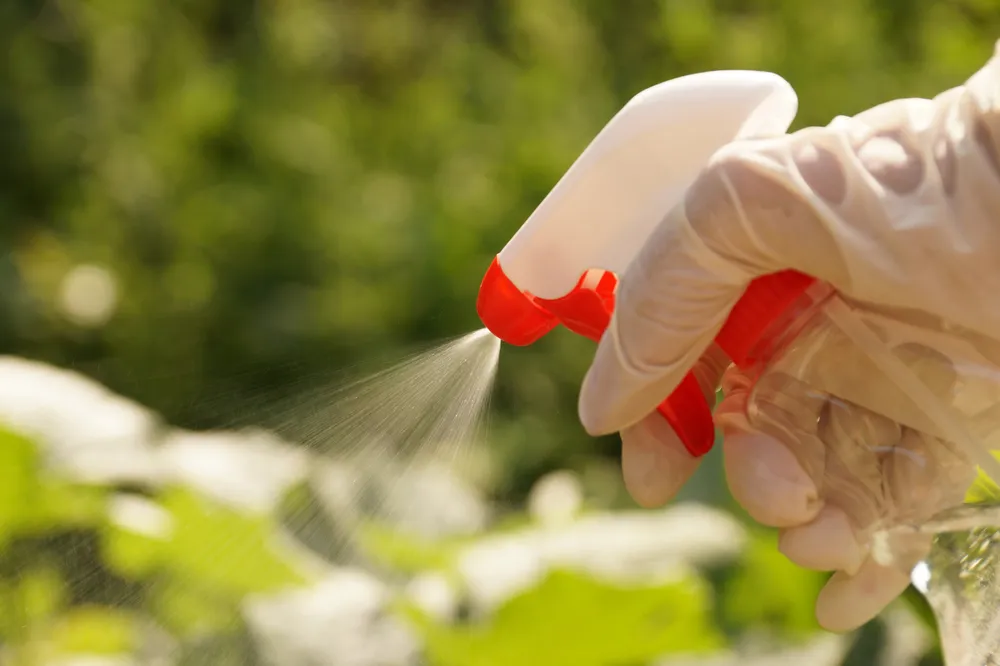
Gloves, eye protection, and proper clothing may be needed depending on the product. Following the label is not just a best practice; it is part of responsible chemical handling.
Calibrate Equipment Regularly
Accurate application depends on calibrated equipment. Sprayers, injectors, and pumps should be checked regularly to ensure the intended amount is being applied evenly.
FAQ
How Do You Use Liquid Fertilizer On Plants?
Liquid fertilizer can be diluted and applied to soil around the root zone or sprayed as a foliar feed, depending on the product and plant needs.
Do You Need To Water After Applying Liquid Fertilizer?
Sometimes light watering helps move nutrients into the root zone, but too much water can cause runoff or leaching. Follow the product label.
Can Liquid Fertilizer Burn Plants?
Yes, if applied too strongly or during stressful conditions. Proper dilution and timing reduce the risk.
Is Liquid Fertilizer Better Than Granular?
Liquid fertilizer is often faster acting and easier to apply precisely, while granular fertilizer may offer longer-lasting feeding. The best choice depends on your goals.
How Often Should Liquid Fertilizer Be Applied?
Frequency depends on crop type, soil test results, growth stage, and product concentration. Avoid applying on a fixed schedule without considering plant needs.
Conclusion
Learning how do you use liquid fertilizer comes down to precision: the right product, the right rate, the right timing, and the right equipment. When applied responsibly, liquid fertilizer can support fast nutrient availability, efficient feeding, and better control across agricultural, turf, and landscape applications.
At Azure Chemical, we support industries that depend on dependable fluid solutions, from DEF supply to broader chemical and agricultural applications. As modern operations look for cleaner handling, efficient delivery, and consistent product quality, Azure Chemical is positioned to help customers source reliable solutions for evolving needs. Explore Azure Chemical’s upcoming liquid fertilizer solutions to learn more about future support for efficient nutrient application and fluid management.