
Understanding the strengths and limitations of each option can help improve nutrient efficiency, reduce waste, and support healthier plant growth. While liquid fertilizers are known for fast nutrient availability, granular fertilizers are often valued for long-term feeding and convenience.
Contents
- 1 Is Liquid Fertilizer Better Than Granular For Nutrient Absorption?
- 2 Is Liquid Fertilizer Better Than Granular For Application Efficiency?
- 3 Is Liquid Fertilizer Better Than Granular For Crop Performance?
- 4 Is Liquid Fertilizer Better Than Granular For Cost Management?
- 5 Environmental Factors That Influence Fertilizer Choice
- 6 Two Additional Considerations When Comparing Fertilizers
- 7 Liquid Fertilizer Vs Granular For Different Applications
- 8 Common Mistakes When Choosing Fertilizer Types
- 9 How To Decide Which Fertilizer Is Best For Your Operation
- 10 FAQ
- 11 Conclusion
Is Liquid Fertilizer Better Than Granular For Nutrient Absorption?
One of the biggest reasons people ask is liquid fertilizer better than granular is because nutrient absorption directly affects plant performance.

The speed and efficiency of nutrient delivery can influence growth rates, root development, and crop quality.
Fast Nutrient Availability With Liquid Fertilizer
Liquid fertilizer delivers nutrients in a dissolved form, allowing plants to absorb nutrients more quickly through roots and sometimes through foliage. This fast availability makes liquid fertilizer useful during periods of rapid growth or when crops show nutrient deficiencies that need immediate correction.
Slow-Release Benefits Of Granular Fertilizer
Granular fertilizer generally breaks down more slowly over time. This gradual release can provide longer-lasting nutrient availability and reduce the need for frequent applications. However, nutrient release often depends on moisture, soil temperature, and microbial activity.
For businesses exploring modern fertilizer solutions and agricultural fluid handling, Azure Chemical’s upcoming liquid fertilizer solutions page will provide additional product information and application support.
Is Liquid Fertilizer Better Than Granular For Application Efficiency?
Application method is another major factor when evaluating is liquid fertilizer better than granular for farming or commercial use.
Precision Application With Liquid Fertilizer
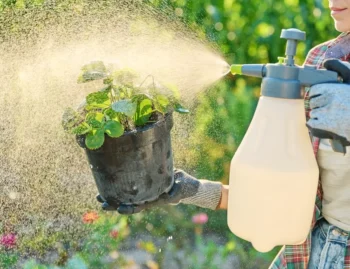
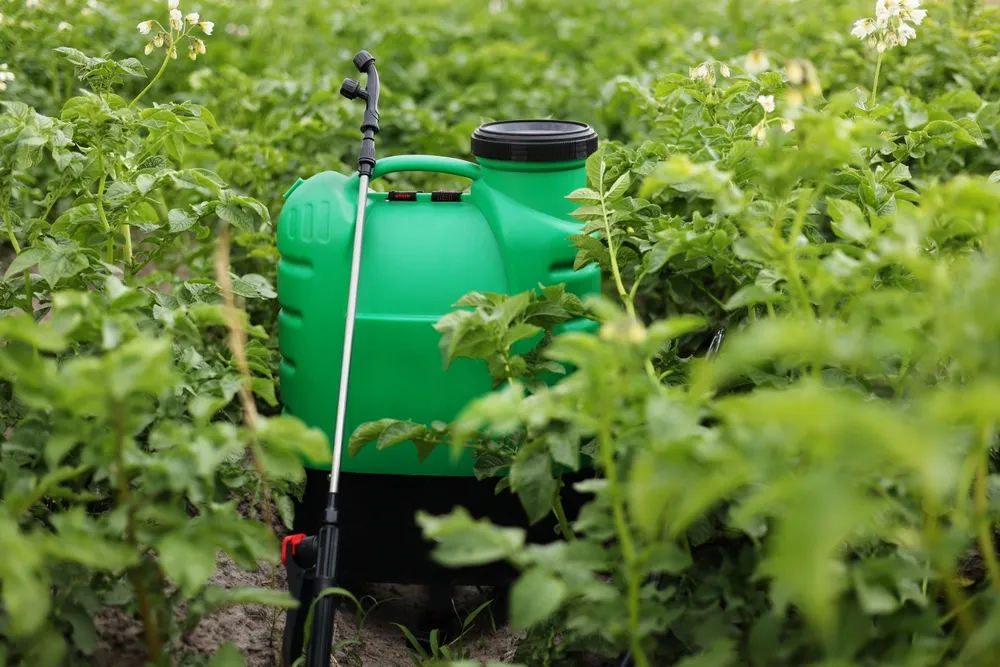
Liquid fertilizers can often be applied more precisely using sprayers, injection systems, or fertigation equipment. This allows growers to target nutrients more accurately and adjust feeding schedules based on crop conditions.
Simplicity Of Granular Spreading
Granular fertilizer is easier to store and can be applied using spreaders over large areas. Many operations prefer granular products for their simplicity and reduced equipment requirements.
Is Liquid Fertilizer Better Than Granular For Crop Performance?
Crop type and growing conditions heavily influence whether liquid fertilizer or granular fertilizer performs better in a given situation.
Advantages During Rapid Growth Stages
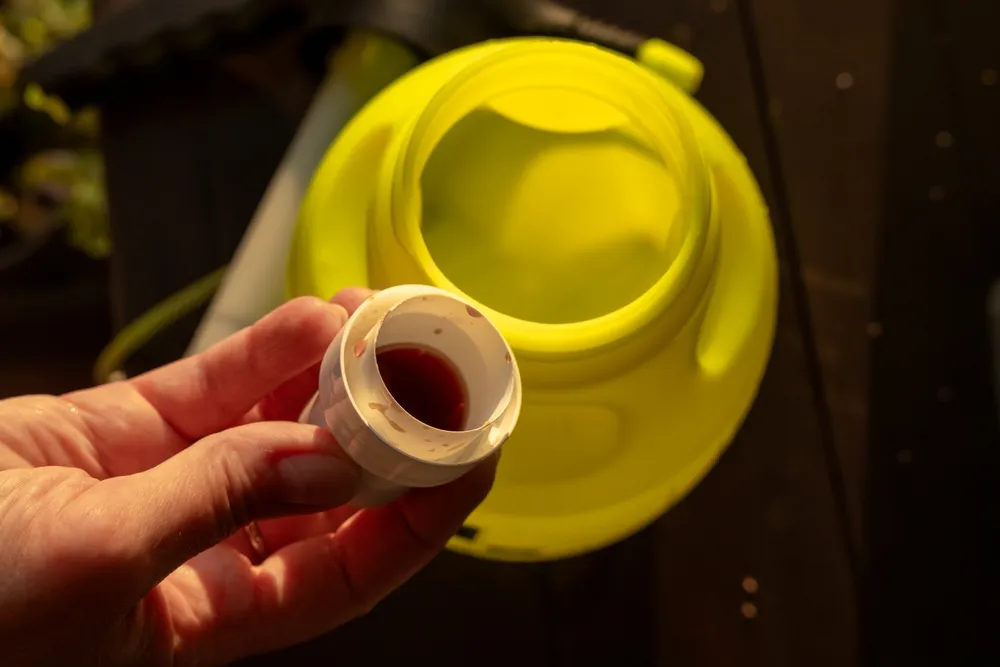
Liquid fertilizer can support crops during key growth phases because nutrients become available quickly. This is especially helpful during early development or periods of visible nutrient stress.
Long-Term Soil Feeding With Granular Products
Granular fertilizer may provide more consistent feeding over longer periods. This can benefit crops that require steady nutrient release rather than quick nutrient correction.
Is Liquid Fertilizer Better Than Granular For Cost Management?
Cost considerations play a major role when determining is liquid fertilizer better than granular for commercial operations.
Equipment And Application Costs
Liquid fertilizer systems may require pumps, sprayers, tanks, or injection equipment, which can increase setup costs. However, precision application may reduce waste and improve nutrient efficiency.
Product And Labor Considerations
Granular fertilizer can sometimes offer lower upfront product costs and simpler handling. However, repeated applications and uneven distribution may affect long-term efficiency.
According to the United States Department of Agriculture, proper nutrient management plays an important role in both crop productivity and environmental sustainability.
Environmental Factors That Influence Fertilizer Choice
Environmental conditions can affect how both liquid and granular fertilizers perform in real-world applications.
Rainfall And Nutrient Runoff
Heavy rainfall can cause nutrient runoff, especially when fertilizer is not properly incorporated into the soil. Liquid fertilizers may absorb faster, while some granular products may remain on the surface longer depending on application timing.
Soil Temperature And Moisture
Granular fertilizer often depends on moisture and microbial activity to release nutrients effectively. In cooler or dry conditions, nutrient availability may slow down.
Two Additional Considerations When Comparing Fertilizers
Beyond nutrient delivery and cost, there are additional operational factors that affect fertilizer performance.
Storage And Transportation Requirements
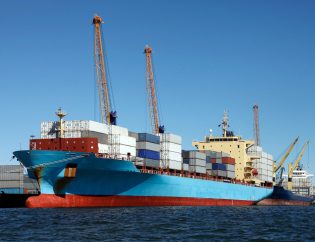
Liquid fertilizers require tanks, pumps, and proper containment systems during transportation and storage. Granular fertilizers may be easier to stack and store but still require protection from moisture exposure.
Compatibility With Modern Farming Systems
Many precision agriculture systems integrate well with liquid fertilizer application methods. This can improve nutrient management and reduce overapplication.
The Environmental Protection Agency also highlights the importance of responsible nutrient management practices to reduce runoff and protect water quality.
Liquid Fertilizer Vs Granular For Different Applications
Different industries and growing environments may benefit more from one fertilizer type over the other.
Agricultural Crop Production
Large-scale agricultural operations may use both liquid and granular fertilizers depending on crop stage, irrigation systems, and nutrient goals.
Turf, Landscaping, And Lawn Care
Liquid fertilizers are often used for quick greening and rapid nutrient correction, while granular fertilizers are commonly chosen for long-term feeding schedules.
Common Mistakes When Choosing Fertilizer Types
Selecting the wrong fertilizer strategy can reduce efficiency and increase operational costs.
Ignoring Soil Testing
Without soil testing, growers may apply incorrect nutrient levels regardless of fertilizer type. Soil analysis helps determine what nutrients are actually needed.
Overapplying Nutrients
Excess fertilizer can increase runoff risk, waste money, and damage crops or turf. Proper calibration and application timing are essential.
How To Decide Which Fertilizer Is Best For Your Operation
The answer to is liquid fertilizer better than granular depends on your goals, crop needs, and operational setup.
Consider Your Application Equipment
Existing equipment may influence which fertilizer type is more practical and cost-effective for your operation.
Match Nutrient Strategy To Crop Needs
Some crops benefit from rapid nutrient absorption, while others perform better with gradual feeding. Matching fertilizer type to crop stage and environmental conditions often produces the best results.
FAQ
Is Liquid Fertilizer Better Than Granular For Fast Results?
Yes. Liquid fertilizer generally provides faster nutrient availability because nutrients are already dissolved and easier for plants to absorb.
Does Granular Fertilizer Last Longer?
In many cases, yes. Granular fertilizer often releases nutrients more slowly over time.
Which Fertilizer Type Is More Cost-Effective?
It depends on the application method, crop type, labor costs, and nutrient efficiency goals.
Can Liquid And Granular Fertilizers Be Used Together?
Yes. Many operations use both types strategically during different crop stages.
Is Liquid Fertilizer Better Than Granular For Lawns?
Liquid fertilizer can provide faster greening, while granular fertilizer may support longer-lasting feeding programs.
Conclusion
So, is liquid fertilizer better than granular? The answer depends on your crop requirements, application equipment, soil conditions, and nutrient management goals. Liquid fertilizer offers fast nutrient absorption and precise application, while granular fertilizer provides long-term feeding and simplified spreading. In many operations, the most effective strategy may involve using both approaches together to balance immediate nutrient needs with long-term soil support.
At Azure Chemical, we understand the importance of reliable agricultural fluid solutions and efficient nutrient management systems. As growers continue adopting more precise and efficient application methods, access to dependable fertilizer handling and supply solutions becomes increasingly important. Learn more about Azure Chemical’s upcoming liquid fertilizer solutions designed to support modern agricultural operations with dependable performance and efficient fluid management.