

However, AdBlue still plays an important role in how modern diesel vehicles operate. It supports the selective catalytic reduction system, often called SCR, which helps reduce nitrogen oxide emissions. A well-functioning SCR system allows many modern diesel engines to meet emissions standards while maintaining strong performance and efficient operation.
Contents
- 1 Does AdBlue Affect Fuel Consumption Directly?
- 2 How AdBlue Works With SCR Systems
- 3 Why Drivers Think AdBlue Changes Fuel Economy
- 4 What Actually Affects Diesel Fuel Consumption?
- 5 AdBlue Consumption Vs Fuel Consumption For Fleets
- 6 Two Extra Factors That Influence AdBlue And Fuel Efficiency
- 7 How To Manage AdBlue And Fuel Costs Together
- 8 FAQ
- 9 Conclusion
Does AdBlue Affect Fuel Consumption Directly?
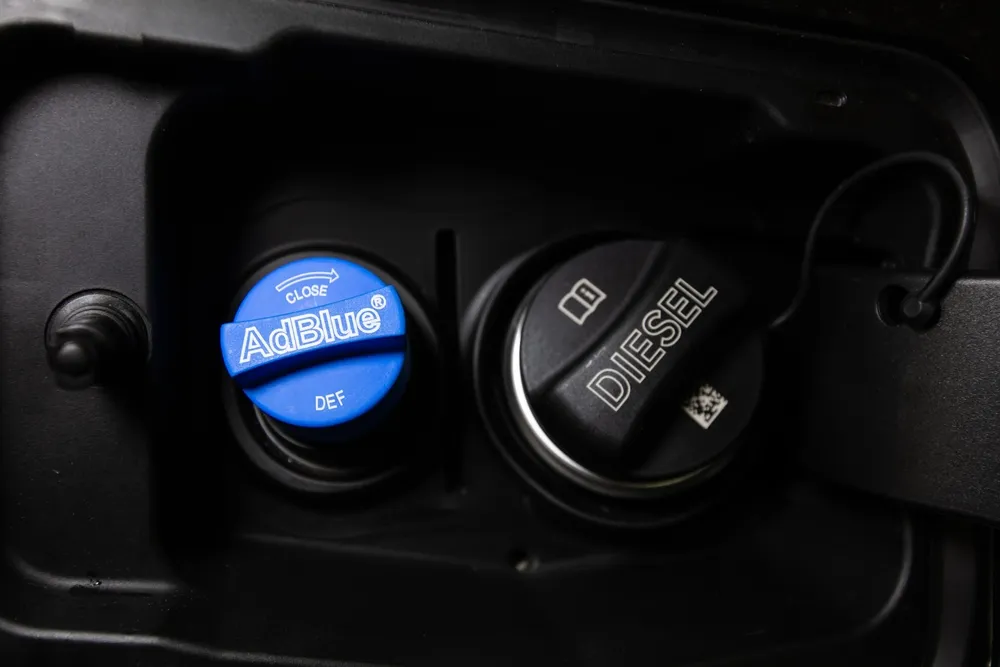
When answering does adblue affect fuel consumption, the most important point is that AdBlue is separate from diesel.

It is a diesel exhaust fluid used after combustion, so it should not be confused with fuel additives or engine oil treatments.
AdBlue Does Not Burn Like Diesel Fuel
AdBlue is injected into the exhaust stream, where it helps the SCR catalyst reduce harmful emissions. Since it is not injected into the engine cylinders, it does not power the vehicle and does not replace diesel. Your engine still runs on diesel fuel, while AdBlue supports the emissions-control process after the fuel has already been burned.
Fuel Consumption Is Mainly Controlled By Driving And Engine Conditions
Diesel fuel consumption is affected by load, speed, idling time, tire pressure, engine condition, driving habits, terrain, and maintenance. If fuel economy changes, AdBlue is usually not the first cause to suspect. It is better to check driving patterns, service condition, air filters, injector performance, tire condition, and vehicle load before blaming the DEF system.
How AdBlue Works With SCR Systems
To understand does adblue affect fuel consumption, it helps to know how SCR technology works. SCR systems use AdBlue, also known as DEF, to help reduce nitrogen oxide emissions from diesel exhaust.
AdBlue Helps Reduce NOx Emissions
When AdBlue enters the hot exhaust stream, it breaks down and helps convert nitrogen oxides into nitrogen and water vapor through the SCR catalyst. This process helps modern diesel vehicles operate cleaner while staying compliant with emissions requirements. You can learn more about the role of DEF in emissions systems through the EPA’s Diesel Exhaust Fluid guidance.
SCR Can Support Efficient Diesel Engine Design
SCR technology allows manufacturers to design engines that focus on power, durability, and fuel efficiency while the aftertreatment system manages emissions. That does not mean AdBlue itself is a fuel-saving liquid, but the overall SCR system can support efficient diesel operation when properly maintained. For a practical overview of DEF usage, the Cummins guide to diesel exhaust fluid is a helpful external reference.
Why Drivers Think AdBlue Changes Fuel Economy
Many drivers ask does adblue affect fuel consumption because they notice both diesel and AdBlue levels dropping during operation. Since both are consumed while driving, it can be easy to assume one directly controls the other.
DEF Consumption Is Separate From Diesel Consumption
AdBlue is consumed based on how the SCR system manages emissions. Vehicles typically use a small amount of AdBlue compared with diesel, and usage rates vary by engine type, load, temperature, driving cycle, and emissions system design. Tracking both fluids separately helps drivers understand real operating costs more clearly.
Low AdBlue Can Cause Warning Lights Or Derates
If AdBlue runs too low or the SCR system detects a problem, some vehicles may display warnings or reduce performance to protect emissions compliance. This can make it feel like AdBlue is affecting fuel economy, but the real issue is system operation. Keeping the DEF tank filled with quality fluid helps reduce the risk of downtime.
What Actually Affects Diesel Fuel Consumption?
The question does adblue affect fuel consumption often comes up when a driver notices higher diesel use. In most cases, changes in fuel economy are tied to vehicle operation rather than AdBlue itself.
Engine Load And Driving Style
Heavy loads, towing, aggressive acceleration, stop-and-go driving, and extended idling all increase diesel consumption. Fleet vehicles, construction equipment, and agricultural machines often use more fuel because they operate under heavier loads than passenger vehicles.
Maintenance And Vehicle Condition
Clogged filters, underinflated tires, poor alignment, worn injectors, or unresolved engine issues can increase fuel use. A clean and properly serviced vehicle usually performs more efficiently than one with neglected maintenance. Using reliable Diesel Exhaust Fluid 32 DEF also helps keep the SCR system supplied with the right type of fluid for standard DEF applications.
AdBlue Consumption Vs Fuel Consumption For Fleets
For commercial operators, does adblue affect fuel consumption is really a cost-per-mile question. Fleets need to understand both diesel usage and DEF usage to forecast operating costs accurately.
Why Fleets Should Track DEF Separately
DEF usage should be monitored as its own operating expense. When fleets track diesel and DEF separately, they can spot unusual patterns quickly. A sudden increase in DEF consumption could point to higher engine load, changes in route conditions, or a possible system issue that needs inspection.
Why Reliable Supply Matters For Commercial Vehicles
Fleet downtime can become expensive quickly. Businesses in trucking operations depend on consistent DEF availability to keep vehicles on the road. Agriculture, construction, marine, and transport operators also benefit from reliable fluid supply and proper storage practices.
Two Extra Factors That Influence AdBlue And Fuel Efficiency
Beyond driving style and maintenance, two additional factors can affect how drivers interpret fuel economy and AdBlue usage.

AdBlue Quality And Contamination Risk
Low-quality or contaminated DEF can cause SCR system problems. If the fluid is not manufactured, handled, or stored properly, sensors, dosing systems, or catalysts may be affected. High-purity DEF matters because the SCR system is designed around strict quality requirements.
Storage Conditions And Fluid Handling
AdBlue should be stored properly to protect product quality. Exposure to heat, dirt, poor containers, or contamination can reduce reliability. Businesses that handle bulk DEF should use clean tanks, proper dispensing equipment, and controlled storage procedures to protect vehicle systems.
How To Manage AdBlue And Fuel Costs Together
If you are still asking does adblue affect fuel consumption, the better approach is to manage both as part of overall diesel operating efficiency. Good records and reliable supply help drivers and fleets avoid confusion.
Track Cost Per Mile Instead Of Guessing
Recording diesel usage, AdBlue usage, mileage, routes, and vehicle load provides a clearer picture than looking at one tank fill-up at a time. Over time, this data helps identify whether changes are caused by driving patterns, maintenance issues, or emissions-system behavior.
Use The Right DEF For The Right Application
Different industries and equipment types may require specific DEF solutions. Azure Chemical supports diesel operators across transport, agriculture, construction, and marine sectors with DEF products designed for quality and consistency. For heavier-duty or specialized applications, Azure also offers Diesel Exhaust Fluid 40 DEF for appropriate use cases.
FAQ
Does AdBlue Affect Fuel Consumption Directly?
No. AdBlue does not mix with diesel fuel and does not burn inside the engine. It works in the exhaust system to help reduce emissions.
Can Low AdBlue Increase Fuel Consumption?
Low AdBlue does not directly increase fuel consumption, but it can trigger warning lights or performance limits in some vehicles, which may affect operation.
Why Does My Vehicle Use More AdBlue Sometimes?
AdBlue use can increase with higher engine load, towing, heavy-duty work, route conditions, temperature, and how the SCR system manages emissions.
Is AdBlue The Same As Diesel Fuel Additive?
No. AdBlue is not a fuel additive. It belongs in the dedicated DEF tank and should never be added to the diesel fuel tank.
Can Good DEF Improve Vehicle Reliability?
Yes, quality DEF helps support proper SCR system operation, which can reduce the risk of emissions-related downtime and system issues.
Conclusion
So, does adblue affect fuel consumption? Not directly. AdBlue does not enter the fuel system or change how diesel burns inside the engine. Instead, it supports the SCR system after combustion, helping reduce emissions and allowing modern diesel vehicles to operate cleanly and efficiently when the system is properly maintained.
At Azure Chemical, we understand that diesel operators need dependable DEF quality, consistent supply, and practical support to keep vehicles and equipment running smoothly. Whether you manage a fleet, operate agricultural equipment, or service diesel vehicles, Azure Chemical provides trusted DEF solutions designed to support performance, compliance, and long-term reliability.