
Contents
- 1 Why Does the AdBlue Warning Stay On After Refilling?
- 2 Ignition Cycle Reset – Quick & Simple
- 3 Drive & Recalibrate Method
- 4 Using an OBD2 Scanner for Reset
- 5 Battery Disconnect – Hard Reset Option
- 6 When Professional Service Is Needed
- 7 DIY Safety & Best Practices
- 8 Preventive Maintenance for AdBlue System
- 9 FAQ
- 10 Conclusion
Why Does the AdBlue Warning Stay On After Refilling?

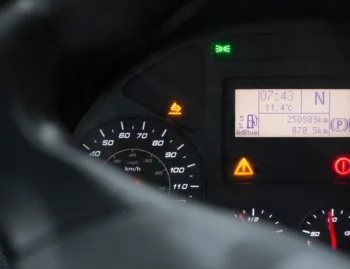
Sometimes the warning light remains lit even after you’ve topped up AdBlue—here’s why.
The onboard computer (ECU) may not recognize the refill immediately. Sensor lag, low-quality fluid, crystal buildup in injectors, or outdated software can all prevent the warning from clearing. It’s essential to address these issues promptly to avoid limp mode or denied engine starts.
Sensor and ECU Recognition Delays
When you add fresh AdBlue, the sensor needs a moment to detect the increased level accurately. If the tank was nearly empty or the fill was in small increments, the ECU can lag behind. Pure, ISO-compliant AdBlue helps reduce detection delays.
Quality Issues and Crystal Formation
Contaminated AdBlue or old fluid can leave crystal deposits in the tank and lines. These crystals disrupt sensor readings and stop the ECU from resetting. Use clean, certified fluid and inspect for residue to ensure smooth reset.
Ignition Cycle Reset – Quick & Simple
One of the easiest DIY methods to reset your AdBlue warning involves just your ignition and accelerator.
Turn the ignition to ON without starting the engine. Press and hold the gas pedal for 10–15 seconds—this signals the system to recalibrate. Then switch the ignition off for 2–5 minutes, restart, and check if the warning has cleared. This method works well for many brands like Ford, Peugeot, and Citroën.
Drive & Recalibrate Method
Driving the vehicle can also trigger an automatic system reset.
After a refill, drive steadily for 5–15 minutes, ideally at highway speeds. Many European diesel vehicles will then auto-recalibrate and clear the AdBlue warning. If the light remains post-drive, examine fluid quality, sensor faults, or employ advanced reset options.
Using an OBD2 Scanner for Reset
For more precise control, use an OBD2 diagnostic tool.
Connect it to the vehicle’s port and turn ignition to ON. Scan for SCR or DEF system fault codes like P203F, then clear them. Restart the engine and drive to allow ECU recalibration. This method is often necessary on Mercedes, VW, Audi, and BMW models—especially where ignition resets fail.
Battery Disconnect – Hard Reset Option
A hard reset via battery can clear persistent AdBlue lights—but use it carefully.
Turn off the engine and remove the negative battery cable; keep it disconnected for 10–15 minutes. Reconnect, restart, and attempt sensor recalibration. Be aware this resets other vehicle settings like radio presets and clocks.
When Professional Service Is Needed
Not all resets can be done at home—sometimes you need expert intervention.
If warnings persist despite DIY methods, issues could include sensor malfunctions, clogged injectors, faulty wiring, crystal buildup, or outdated software. A technician using advanced diagnostics (VCDS, OEM tools) can pinpoint and resolve faults like bad sensors, injector issues, or system inaccuracies.
DIY Safety & Best Practices
Take care when handling AdBlue and resetting systems to avoid unnecessary damage.

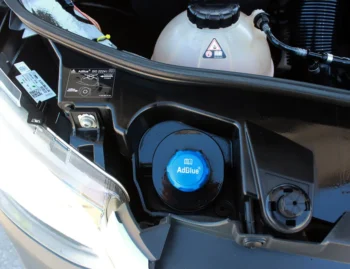
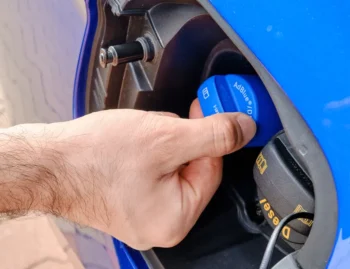
Always wear gloves and goggles during refills and ensure the filler area is clean to prevent contamination. Use only ISO‑standard fluid and dispose of empty containers responsibly. Proper handling reduces reset failure due to debris or sensor fouling.
Clean Working Environment
Wipe down filler areas before topping up and avoid spills. Dirt near sensors or tank opening can cause warning lights to persist even after reset.
Certified Fluid Only
Using poor-quality AdBlue contributes to residue build-up and faulty sensor readings. Always choose tested, ISO‑compliant fluids from reputable providers like Azure Chemical to ensure reset success.
Preventive Maintenance for AdBlue System
Prevent issues before they start by including AdBlue checks in regular maintenance.
Inspect the tank, lines, pump, sensor, and injector for wear or crystals. Replace filters and clean components per schedule. Proactively servicing the system reduces the incidence of warning lights and the need for frequent resets.
Component Inspection Schedule
Check system elements every service visit. Clean or replace injectors, hoses, and seals showing signs of deposit or corrosion. This prevents crystal-induced blockages.
Regular Filter Changes
Filters prevent particles from entering the AdBlue lines. Change them regularly to maintain flow and sensor accuracy, minimizing system faults.
FAQ
Will driving reset the AdBlue warning light?
Yes—steady driving for 5–15 minutes often allows the ECU to recognize the refill and clear the warning.
How long should I hold the gas pedal for the ignition reset?
10–15 seconds. Then switch off ignition, wait 2–5 minutes, restart, and check the dashboard.
Do I need an OBD2 tool to reset AdBlue?
Not always. Ignition and driving methods may work—but stubborn warnings on Mercedes, VW, or BMW often require OBD2 resets.
Can I damage the system by disconnecting the battery?
It resets other vehicle settings, but isn’t harmful. Just be aware that you’ll lose saved presets and clock settings.
When should I seek professional help?
If warnings persist after DIY attempts—likely due to sensor failure, crystals, or wiring—seek diagnostics and service from a qualified technician.
Conclusion
Resetting your AdBlue warning is often straightforward but requires the proper technique and clean fluid. Whether you choose ignition cycling, driving, OBD2 scanning, or battery disconnect, success depends on fluid quality and component condition.
At Azure Chemical, we offer ISO‑compliant AdBlue fluid and expert advice on handling, maintenance, and system cleanliness. Using our high‑quality fluid alongside preventive practices safeguards your SCR system, makes reset procedures more effective, and keeps your diesel running efficiently and within legal emissions standards. Contact us today.