Contents
- 1 What Is AdBlue and How Does It Work?
- 2 Can You Overfill the AdBlue Tank?
- 3 What Happens If You Add AdBlue to the Diesel Tank?
- 4 Is AdBlue Itself Harmful?
- 5 Risks of Using Low‑Quality or Contaminated AdBlue
- 6 Regular Maintenance and Monitoring
- 7 Environmental and Economic Benefits
- 8 Filtration & Contamination Prevention
- 9 Troubleshooting Common SCR Faults
- 10 FAQ
- 11 Conclusion
What Is AdBlue and How Does It Work?
AdBlue is more than a simple additive—it plays a vital role in meeting stringent environmental standards while preserving engine performance.
AdBlue is a carefully balanced urea-water mixture engineered to support modern diesel engines in reducing harmful emissions. When injected into the exhaust stream, the urea decomposes to create ammonia, which then reacts chemically to convert nitrogen oxides (NOₓ) into harmless nitrogen and water vapor. This entire process is precisely timed and controlled to support compliance with emissions regulations without interfering with engine output.
Composition and Purpose
Formulated to a strict 32.5% urea and 67.5% deionized water ratio, AdBlue meets the industry-standard ISO 22241. As the solution heats in the exhaust system, the urea breaks down to release ammonia. This ammonia plays the key role in neutralizing NOₓ before emissions exit the vehicle. The exacting standards in composition ensure safety, reliability, and optimal reactions within the catalyst system.
Role in Emission Control
Within the Selective Catalytic Reduction (SCR) setup, AdBlue is sprayed into the exhaust just upstream of the catalyst. At temperatures between 300°C and 400°C, the urea-to-ammonia conversion occurs, enabling an up to 90% reduction in NOₓ emissions. Because this happens outside the engine combustion cycle, it allows diesel engines to maintain performance and efficiency while meeting emissions rules.
Can You Overfill the AdBlue Tank?
While topping up is necessary, exceeding the recommended AdBlue level can cause more harm than good.

Filling the tank past its maximum capacity can lead to airlocks or fluid saturation that stops the dosing pump from drawing AdBlue properly. This disruption can trigger dashboard warnings, limp-home mode, or uneven injection. Excess fluid also risks spilling into areas with sensors or electronic components, causing moisture buildup or crystal deposits as it evaporates.
Injection Blockage and Equipment Strain
Crystallized urea from evaporated excess fluid can accumulate around dosing injectors and lines, reducing flow and causing dosing problems over time. These crystalline build-ups may trigger warning lights, interfere with flow control, and even clog the SCR catalyst, leading to costly maintenance or component replacement.
Electrical System Risks
Excess AdBlue can flood sensitive electronic components such as pumps, level sensors, and heaters. Moisture exposure and crystal formation on these components may result in false sensor readings, system malfunctions, and could ultimately lead to automatic engine derating to prevent possible emissions violations.
What Happens If You Add AdBlue to the Diesel Tank?
Accidentally pouring AdBlue into the fuel tank is extremely harmful and can cause immediate and long-term engine damage.
Highly Corrosive Mix
AdBlue combines urea and water—elements that are corrosive to fuel system metals and seals when mixed with diesel. Even trace contamination can render fuel pump seals brittle, injectors dysfunctional, and filters compromised. Left unchecked, this corruption can spread, damaging lines and engine components.
Immediate Remedial Actions
If AdBlue is added to the diesel tank by mistake, the engine must not be started. Instead, have the tank professionally drained, lines flushed, and fuel filters replaced at once. Depending on contamination severity, pump and injector disassembly or replacement may be necessary to mitigate damage and avoid full system failure.
Is AdBlue Itself Harmful?
AdBlue is safe to handle when stored and used correctly, even though it is essential to follow recommended precautions.
Non‑toxic by Design
Made of only urea and deionized water, AdBlue is non-toxic, non-flammable, and poses minimal risk to humans. If it contacts the skin or eyes, it may cause minor irritation, but rinsing with water is usually sufficient to prevent any discomfort or harm.
Handling and Storage Best Practices
AdBlue should be stored in sealed containers, away from direct light, high heat, and dust. Exposure to air or impurities can cause DEF crystallization that disrupts dosing mechanics, while freezing temperatures below −11 °C can solidify the solution. Many vehicles feature system-integrated heaters to maintain fluid integrity in colder climates.
Risks of Using Low‑Quality or Contaminated AdBlue
The performance of your SCR system depends heavily on fluid purity and standards.

Contaminated AdBlue—whether due to low-grade production processes, improper storage, or inferior blending—can contain particles, metals, or suspended solids that damage injectors and catalysts. Even small impurities can lead to crystal blockages, reduced dosing accuracy, and shortened component lifespan.
Crystallization Consequences
Impurities and exposure to air or heat can promote premature crystallization (cyanuric acid or urea residues), which gather at critical points like injector nozzles and piping. These deposits interfere with AdBlue delivery, diminish emissions control effectiveness, and often induce warning signals or ECU derating.
Catalyst and Injector Damage
Metals and particles in contaminated fluid can erode catalytic coatings and obstruct injector spray patterns. This degradation leads to incomplete NOₓ neutralization, compromised emissions performance, and potential catalyst or injector replacement—incurring high repair costs.
Regular Maintenance and Monitoring
Consistent monitoring and upkeep are vital to ensuring your SCR system works reliably.
Check AdBlue levels during routine inspections and refill responsibly—eyes and dashboard indicators, not guesswork, should guide you. When topped up correctly, the risk of airlocks, dilution, or overflow is minimized, safeguarding pump and sensor integrity.
Scheduled AdBlue Checks
Integrate fluid-level monitoring into every maintenance cycle. Modern vehicles trigger alerts in advance to prevent running dry, but manual checks add a layer of safety. Refilling at the correct time ensures uninterrupted SCR operation.
Component Inspection Routine
Using a clean checklist, inspect injectors, sensors, pumps, hoses, and seals for signs of leakage, crystallization, or wear. Addressing minor issues—like cleaning nozzles or replacing worn filters—can prevent major failures down the line.
Environmental and Economic Benefits
When used properly, AdBlue supports both sustainability goals and cost efficiency.
The SCR process enables diesel engines to burn cleaner and more efficiently. With optimized emissions control, combustion improves, fuel use drops, and engine durability increases—potentially saving 1–5% in fuel costs. Compliant AdBlue also ensures you meet legal emission standards, avoiding penalties or downtime during inspections.
Fuel Efficiency Gains
By helping reduce reliance on internal exhaust recirculation, AdBlue allows the engine to run cooler and more smoothly, reducing soot buildup. This improves engine responsiveness and extends service intervals—yielding direct fuel savings over time.
Emission Compliance and Fines Avoidance
Compliance with Euro 6 and similar regulations depends on consistent use of certified AdBlue. Using high-grade product from Azure Chemical helps guarantee adherence to legal standards, avoiding risks of fines, operating bans, or costly retrofits.
Filtration & Contamination Prevention
Preventative filtration protects investment in your SCR system.
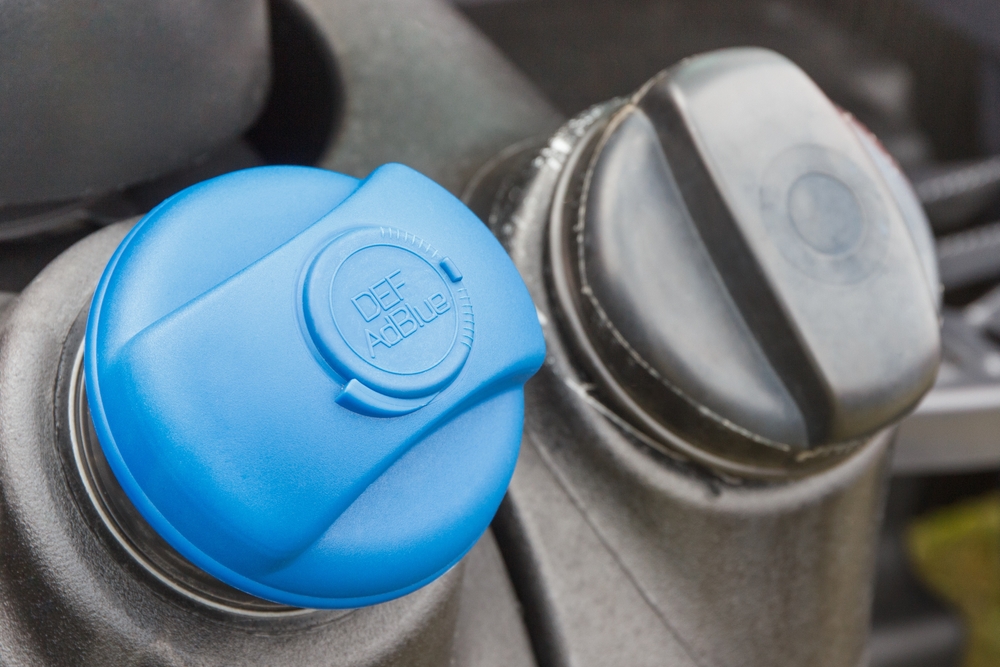
Installing inlet and inline filters at key points stops dirt, dust, or crystal fragments from entering the AdBlue path. Routine filter changes reduce clogging risk, making dosing more precise and extending component lifetime. Properly sealed dispensing systems and clean transport containers further reduce contamination threat.
Inlet and Inline Filters
Positioned between the refill entry and storage tank, filters trap unwanted particles during topping up. Inline filters between the tank and pump ensure only pure fluid is injected into the system. Regular replacement is essential, as clogged filters lead to dosing failure and system alerts.
Dispensing Hygiene
Use dedicated AdBlue pumps, clean containers, and protective gloves to maintain fluid purity. Wipe up spills immediately to prevent crystallization on surfaces. Ensure fluid is kept between −11 °C and 30 °C and shielded from dust to maintain ISO-grade quality.
Troubleshooting Common SCR Faults
Knowing how to diagnose SCR fault causes can minimize downtime.
No‑x and dosing errors often result in limp-home mode and poor performance—many of these can be fixed with early intervention. Cleaning or replacing sensors and injectors based on diagnostics restores function quickly and cost‑effectively, without resorting to full system replacements.
NOₓ Sensor Failures
Soot and crystalline deposits impede sensor performance, causing erratic readings or system shutdown. A careful cleaning routine or sensor swap often restores normal function and resets the SCR system.
Dosing Pump & Injector Jam
Clogged dosing pumps emit warning lights and reduce dosing precision. Disassembly, service cleaning, or part replacement typically resolves issues. Coupled with fluid and filter quality checks, this restores dosing consistency.
FAQ
Can overfilling the AdBlue tank harm my vehicle?
Yes. It can lead to dosing system faults, pump or sensor damage, and engine limp mode—even though the engine itself isn’t directly harmed.
What should I do if I accidentally pour AdBlue into the diesel tank?
Do not start the engine. Call a professional to drain, flush, and inspect the fuel system. Delay increases risk of severe damage.
Is AdBlue toxic or harmful to humans?
No, AdBlue is non-toxic and non-flammable. However, it may irritate eyes or skin—flush with water if exposed.
How should I store and handle AdBlue?
Store AdBlue in sealed containers away from direct sunlight and keep it between −11 °C and 30 °C. Use clean dispensing tools to prevent contamination and crystallization.
Use ISO‑compliant AdBlue from trusted suppliers like Azure Chemical, maintain proper fluid levels, change filters, inspect components regularly, and respond quickly to warning signals.
Conclusion
Using the right AdBlue, in the right amount, and with careful handling is essential for efficient diesel engine operation. Overfilling, contamination, or accidental mixing with diesel can cause system faults, engine derating, and expensive repairs. Azure Chemical delivers ISO‑compliant, rigorously tested AdBlue along with best‑practice recommendations on filtration, storage, and maintenance. With our expertise and products, fleets enjoy improved emissions performance, greater fuel efficiency, reduced downtime, and compliance assurance—protecting both vehicles and sustainability goals. Contact us today.