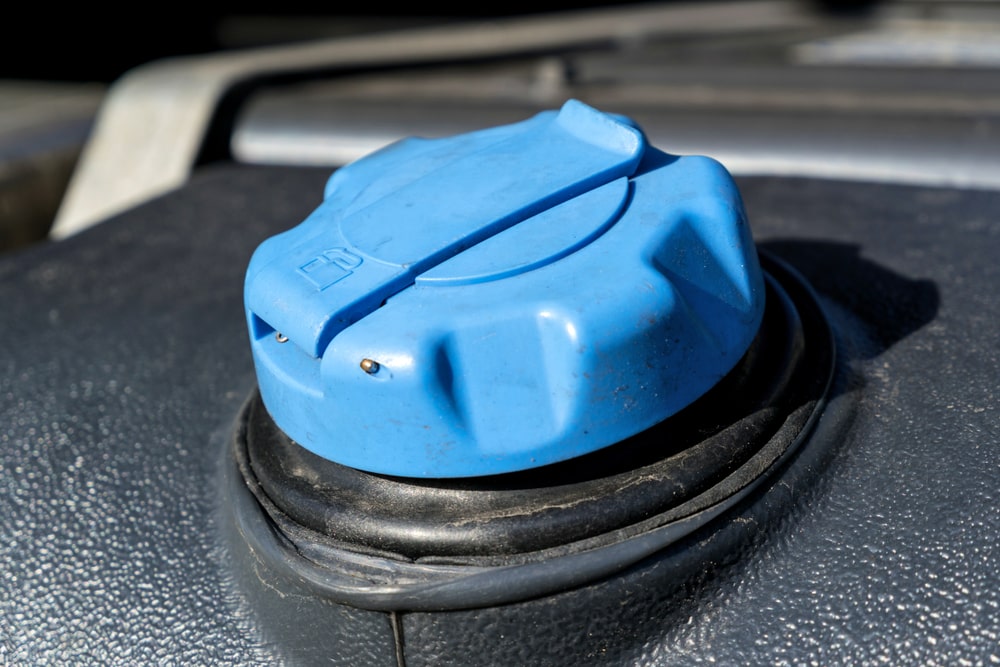
The reality is that DEF is not designed as a pesticide, and there is no evidence that properly used DEF directly kills bees. However, there are nuances when it comes to how diesel exhaust itself affects pollinators, and there are safety considerations for spills or accidental bee exposure. Let’s break it down.
Contents
- 1 What Diesel Exhaust Fluid Actually Is—and Isn’t
- 2 So…Does Diesel Exhaust Fluid Kill Bees? (Short Answer)
- 3 What Diesel Exhaust (Not DEF) Can Do to Bees
- 4 Spill, Splash, and Puddle Scenarios Near Hives
- 5 Storage, Handling, and Cross-Contamination Prevention
- 6 Myth-Busting the Viral Claims
- 7 Regulatory & Labeling Perspective
- 8 Choosing Bee-Friendly Habits Around Fleet Yards and Farms
- 9 FAQs
- 10 Conclusion
What Diesel Exhaust Fluid Actually Is—and Isn’t
Before we examine risks, we need to be clear on what DEF actually is. Many people assume it’s interchangeable with diesel fuel or exhaust, but the reality is quite different.

DEF is a simple, carefully manufactured solution with a single purpose: reducing harmful nitrogen oxide (NOx) emissions from diesel engines.
Composition and Purpose
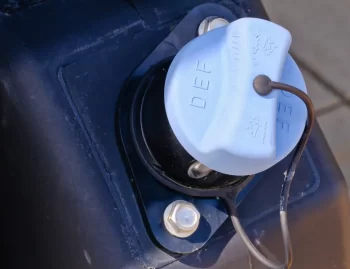
Diesel exhaust fluid is made of 32.5% high-purity urea dissolved in 67.5% deionized water. It is clear, colorless, and non-flammable. This formulation allows selective catalytic reduction (SCR) systems in trucks, buses, and off-road machinery to convert NOx into harmless nitrogen gas and water vapor. Without DEF, these engines could not meet modern emission standards. Importantly, DEF is not a fuel, not an additive to fuel, and not a crop input product.
Why ISO-Grade Purity Matters (for Engines, Not Bees)
DEF must meet ISO 22241 standards for purity, which means contaminants such as heavy metals or certain salts must be kept out. This protects sensitive catalytic converters and sensors inside diesel systems. While purity is essential for engines, it does not translate to DEF being “bee-safe” or “bee-toxic.” The standards were created for mechanical reliability, not ecological impacts.
Liquid DEF vs. Diesel Exhaust—Two Different Things
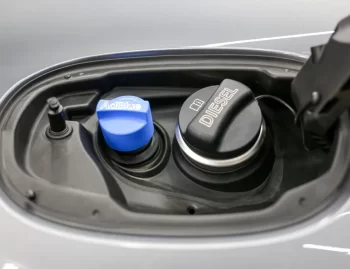
Confusion often arises because people hear “diesel exhaust fluid” and assume it is part of the exhaust stream. In reality, DEF is stored in a separate tank, metered into the exhaust, and chemically transformed inside the SCR catalyst. The liquid DEF you might spill or store in a container is not the same as the exhaust gases released into the air. This distinction is critical when evaluating bee health.
So…Does Diesel Exhaust Fluid Kill Bees? (Short Answer)
The short answer is no—there is no credible scientific evidence that DEF itself directly kills bees when handled and stored properly. Most studies that link pollinator stress to diesel emissions are actually referring to exhaust gases, not the liquid DEF stored in vehicle tanks.
What Research Actually Examines
Peer-reviewed studies on bees and diesel focus on how exhaust gases, specifically NOx compounds and particulates, degrade floral odors. Bees rely heavily on scent to locate flowers, and when exhaust alters or masks those odors, foraging efficiency drops. These studies do not test bees’ mortality when exposed to DEF liquid.
Exposure Pathways That Would Be Plausible
For bees to be harmed by DEF directly, they would need to encounter a puddle, spill, or residue. Bees sometimes collect water and salts from unusual sources, so contact with DEF is possible if it is not stored or cleaned up properly. However, in normal use cases—when DEF is sealed, transferred carefully, and kept away from hives—this exposure route is highly unlikely.
Separating Correlation from Cause
Sometimes people notice sluggish bees near truck yards or fields and assume DEF is to blame. In most cases, this is a confusion of cause and effect. Bees in those environments may be experiencing heat stress, dehydration, pesticide exposure, or exhaust pollution. Pinning these effects on DEF without evidence mixes up correlation with causation.
What Diesel Exhaust (Not DEF) Can Do to Bees
It’s important to shift the conversation toward diesel exhaust itself, which has been documented to affect bee behavior. Exhaust gases contain compounds that alter the chemical structure of flower scents, interfering with pollination.

Research from the University of Southampton and other institutions has shown that diesel exhaust can break down floral scent molecules in the air. This makes it harder for bees to recognize flowers from a distance, leading to longer foraging times and missed feeding opportunities.
Repeated Exposure and Colony Fitness
Other studies suggest that repeated exposure to exhaust reduces colony efficiency. Over time, lower foraging success translates to less nectar and pollen brought back to hives, which could impact overall colony strength.
The Bigger Picture of Bee Stressors
While exhaust is a factor, it is not the sole reason for pollinator declines. Pesticide use, habitat fragmentation, parasites like Varroa mites, and climate change all interact with pollution stressors. Blaming DEF misses the broader set of challenges bees face.
Spill, Splash, and Puddle Scenarios Near Hives
The most realistic way bees might come into contact with diesel exhaust fluid is through accidental spills near hives, gardens, or water sources.
Why Bees Visit Water and Salt Sources
Bees actively collect water to regulate hive temperature and sometimes seek minerals from damp soil or puddles. A DEF spill could mimic a water source and attract bees. Ingesting concentrated urea solution may stress bees or interfere with normal behavior.
Practical Steps After a Small Spill
If DEF spills on soil or pavement, it should be diluted immediately with large amounts of water. On hard surfaces, absorbent material can help collect residues. Prevent runoff into flowering areas or open water, and clean equipment to avoid further leaks.
When to Monitor and When to Seek Help
After a spill near bee colonies, it’s wise to watch hives for unusual behavior such as clustering, disorientation, or mass mortality. If issues arise, consult local agricultural extension services or a beekeeping association.
Storage, Handling, and Cross-Contamination Prevention
Safe handling of diesel exhaust fluid not only protects equipment but also minimizes accidental exposure risks for pollinators.
Keep DEF Sealed, Labeled, and Separate
Always keep DEF in its original container or in approved tanks. Do not transfer DEF into food or drink containers, as this creates confusion and risks misuse. Keep lids tight, containers shaded, and avoid storing DEF near hives or gardens.
Equipment Hygiene Matters
Funnels, pumps, or hoses used for DEF should be dedicated tools. Don’t rinse them onto lawns or flower beds where bees forage. Cleaning should be done in controlled areas where runoff won’t attract pollinators.
Transport & Jobsite Tips
During transport, ensure containers are tightly closed and secured. At worksites, avoid refilling trucks near flowering borders, ditches, or standing water. These small steps reduce unnecessary risks.
Myth-Busting the Viral Claims
The belief that DEF kills bees largely stems from internet rumors and misinterpretations of scientific studies.
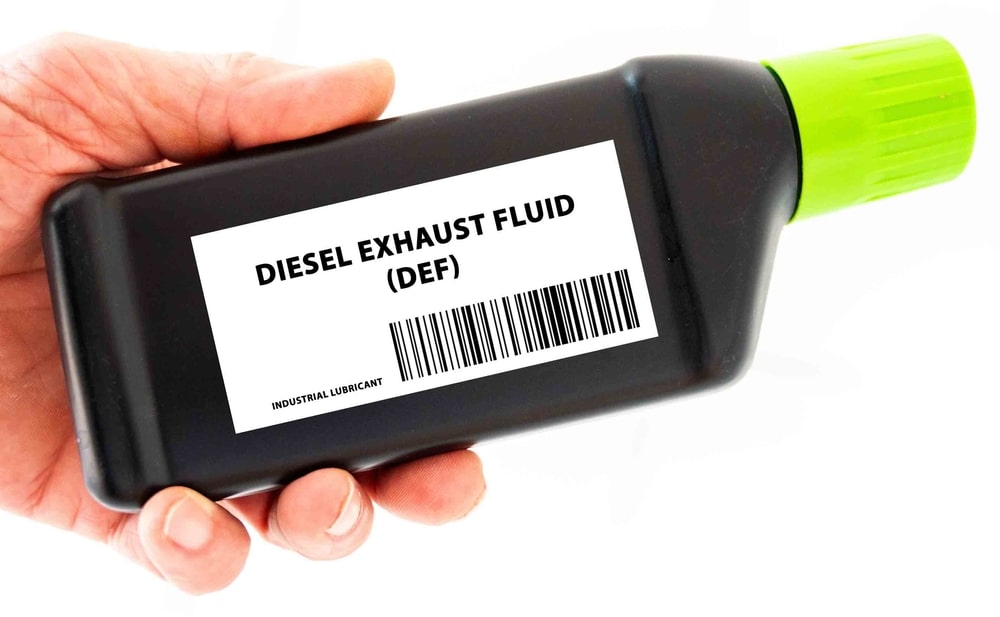
DEF ≠ Diesel Exhaust ≠ Diesel Fuel
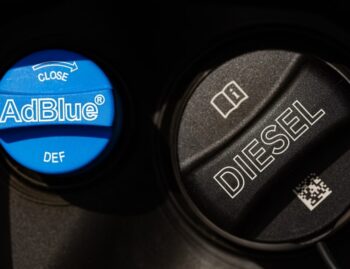
These three substances are often confused. Diesel fuel powers engines. Diesel exhaust is a byproduct that contains pollutants affecting air quality and pollinators. Diesel exhaust fluid is a urea-water solution used to reduce those very pollutants.
Why Anecdotes Aren’t Proof
Stories about finding dead bees near vehicles or farms can be compelling, but they don’t establish proof. Without controlled testing, we can’t assign blame to DEF when many other stressors exist.
How to Vet Claims You See Online
When encountering claims, check whether the cited study actually tested DEF liquid or instead analyzed diesel exhaust emissions. Most viral claims fall apart when you trace them back to the original research.
Regulatory & Labeling Perspective
Looking at DEF through the lens of regulation helps clarify its intended use and limits.
What DEF Is Labeled For
DEF products are explicitly labeled for selective catalytic reduction systems in diesel vehicles. They are not labeled for agricultural or pest control use, which means applying them to soil, crops, or insects is off-label and inappropriate.
Urea Safety Context
The urea in DEF is also used in agriculture and industry, and it generally has a low acute toxicity profile in many organisms when handled correctly. That said, concentrations, formulations, and application instructions matter greatly.
Why Following the Label Protects Pollinators
Labels exist to ensure products are used safely and as intended. By keeping DEF within its emissions-control role, pollinators are not exposed to risks from misuse.
Choosing Bee-Friendly Habits Around Fleet Yards and Farms
Even though DEF is not inherently a bee-killer, adopting bee-friendly practices makes good sense when managing vehicles and hives in the same environment.
Stage Equipment Away from Blooms and Water
Whenever possible, set up fueling and DEF-refilling stations away from pollinator-rich areas like hedgerows or irrigation ponds. This reduces the chance of accidental bee exposure.
Housekeeping That Helps
Good site management includes rinsing pads into proper drains, keeping workspaces dry, and cleaning crystallized DEF residues before they attract bees or other wildlife.
Coordinate with Local Beekeepers
If your operation takes place near managed hives, a quick communication about schedules can help beekeepers prepare. Collaboration strengthens both environmental stewardship and community relations.
FAQs
Is diesel exhaust fluid toxic to bees?
No. Research does not show DEF to be directly toxic to bees. Most bee stress research is tied to diesel exhaust, not the liquid DEF solution.
Can bees drink DEF from puddles?
Bees may try to drink from any water-like puddle. If they consume DEF, it could cause stress. That’s why spills should be diluted and cleaned immediately.
Does diesel exhaust harm bees?
Yes, studies show diesel exhaust can degrade floral odors, making it harder for bees to forage efficiently. This effect is separate from DEF.
What’s the safest way to handle DEF near hives?
Keep DEF sealed, avoid spills, use dedicated equipment, and stage filling operations away from flowering plants and water sources.
Who can I contact for guidance?
Azure Chemical offers expert advice on DEF handling, while local agricultural extension offices or beekeeping associations can provide pollinator-specific support.
Conclusion
Diesel exhaust fluid is a vital tool for reducing vehicle emissions, but it is not a fertilizer, pesticide, or bee killer. The real risks to bees come from air pollution, pesticides, and habitat stress—not DEF itself. By handling DEF responsibly, preventing spills, and storing it correctly, you eliminate the small chances of bee exposure.
At Azure Chemical, we provide high-purity DEF that meets strict ISO standards, along with guidance on safe storage, transport, and environmental best practices. Our goal is to help businesses stay compliant with emissions rules while protecting pollinators and ecosystems. If you’re looking for trusted DEF supply and expertise, Azure Chemical is your partner in sustainability and stewardship. Contact us today.