
Contents
- 1 Understanding DEF and Its Role in Emissions Control
- 2 Do Modern Railroad Engines Use DEF?
- 3 DEF Infrastructure in the Rail Industry
- 4 How DEF Impacts Locomotive Performance
- 5 New Emission Technologies on the Horizon
- 6 Environmental Impact of DEF in Rail Transport
- 7 Adopting DEF in Long-Haul Rail Operations
- 8 FAQs
- 9 Conclusion
Understanding DEF and Its Role in Emissions Control
To understand how DEF relates to railroad engines, it’s essential to grasp what DEF is and why it’s used in diesel engines across various sectors.
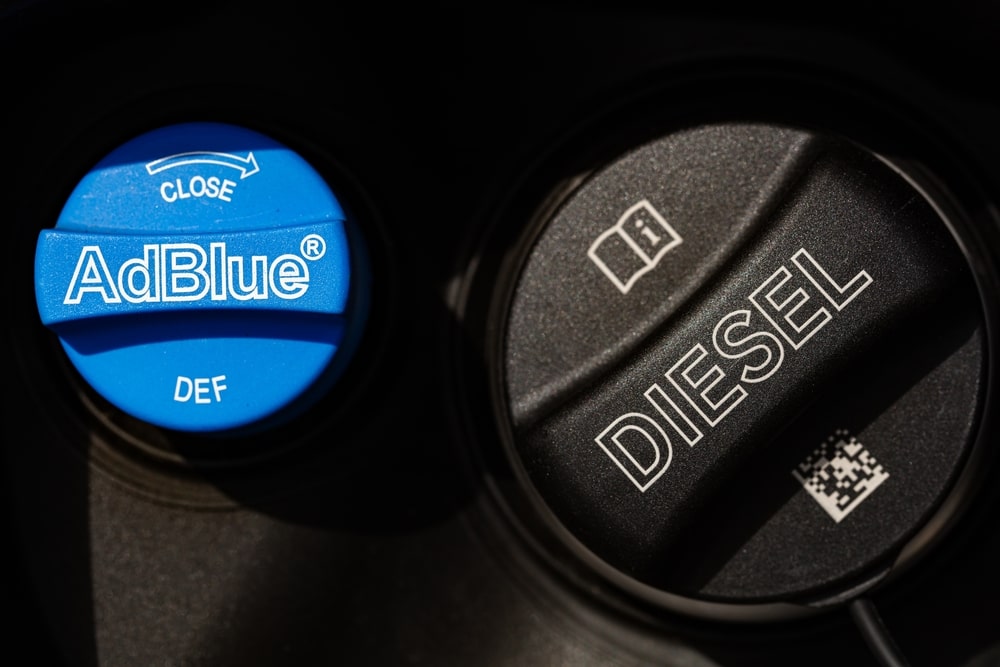
What Is DEF and Why Is It Important?
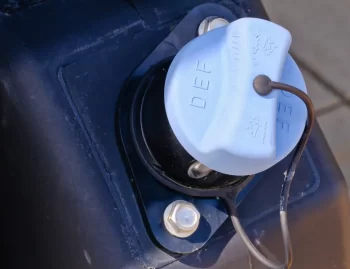
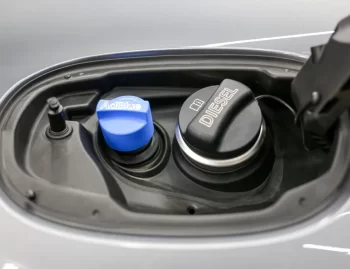
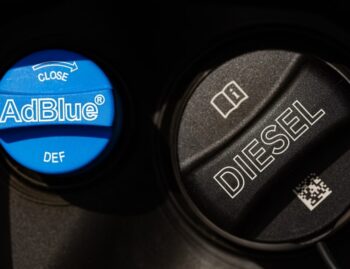
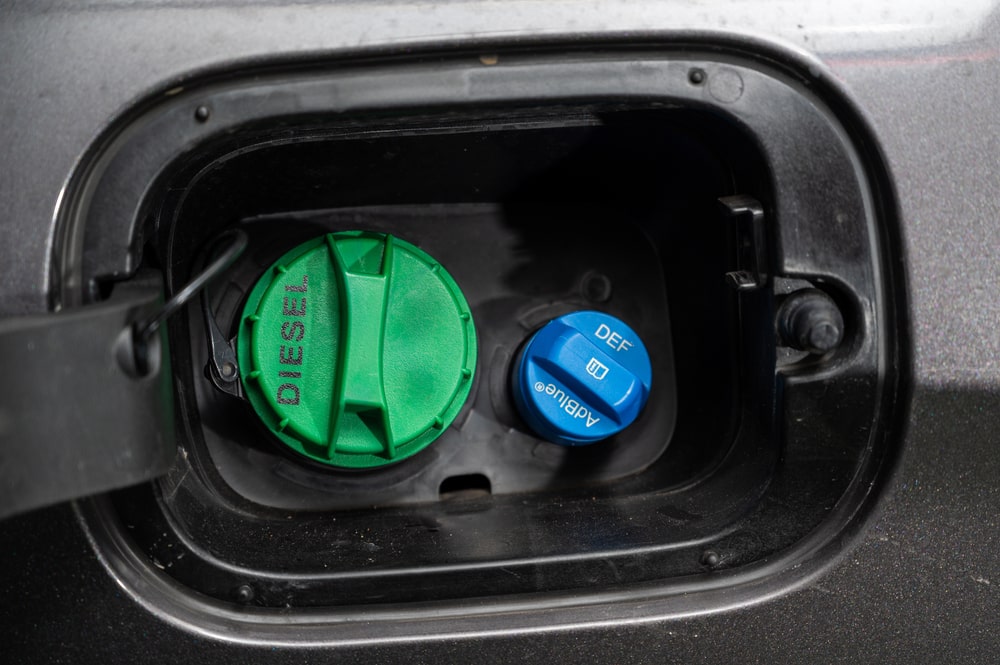
DEF (Diesel Exhaust Fluid) is a non-toxic, colorless solution made of 32.5% urea and 67.5% deionized water. When injected into the exhaust stream of diesel engines equipped with Selective Catalytic Reduction (SCR) systems, it breaks down nitrogen oxide (NOx) emissions into harmless nitrogen and water vapor. This process has become a crucial component in helping vehicles meet EPA Tier 4 emission standards.
Sectors Commonly Using DEF
DEF is widely used in commercial trucks, buses, agricultural equipment, construction machinery, and increasingly in locomotives. The growing adoption across industries is largely driven by global pressure to reduce emissions and meet environmental benchmarks.
Do Modern Railroad Engines Use DEF?
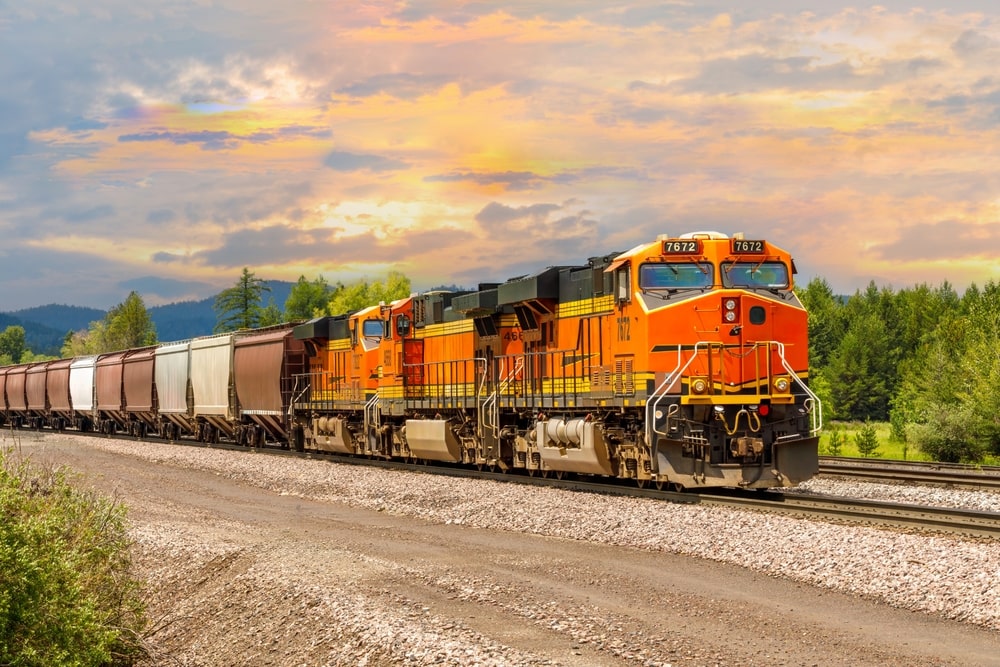
Many modern locomotives are designed to meet Tier 4 standards, and DEF plays a critical role in these systems.
Tier 4 Standards and Railroads
The U.S. Environmental Protection Agency’s Tier 4 emission standards apply to all non-road diesel engines, including those in locomotives. These regulations target reductions in particulate matter (PM) and nitrogen oxides (NOx). As a result, many new railroad engines incorporate SCR technology, which necessitates the use of DEF.
Locomotives That Require DEF
Railroad manufacturers such as Electro-Motive Diesel (EMD) and General Electric (GE Transportation) have developed new engine platforms that use SCR and therefore require DEF to function efficiently. For example, EMD’s Tier 4 compliant engines explicitly use DEF to meet emissions guidelines without sacrificing horsepower or performance.
DEF Infrastructure in the Rail Industry
As railroads begin to incorporate SCR and DEF into their locomotives, a support infrastructure is also emerging to meet these new operational needs.
Storage and Handling Considerations
Rail yards and service facilities must be equipped with appropriate DEF storage tanks and dispensing systems. Since DEF is sensitive to contamination and temperature extremes, careful handling is essential to maintain its integrity and effectiveness.
Refueling and Maintenance Protocols
Rail operators need new training programs for engineers and maintenance crews to handle DEF safely. In large operations, DEF refueling is integrated into regular locomotive servicing routines, much like diesel fuel or engine oil.
How DEF Impacts Locomotive Performance
The integration of DEF into railroad engines introduces a shift not only in compliance but also in performance and operational habits.
Performance Improvements with DEF
SCR technology allows engines to operate at optimal temperatures for combustion and power output while treating emissions post-combustion. This improves fuel efficiency and engine performance, compared to older exhaust gas recirculation (EGR) systems.
Downtime and Maintenance Reductions
Railroad operators using SCR with DEF report fewer regeneration cycles and reduced wear and tear on the engine. As a result, long-term maintenance needs and operational downtime are often reduced.
New Emission Technologies on the Horizon
As environmental regulations evolve, the use of DEF in railroad engines may become even more commonplace.
Next-Generation Locomotive Systems
Companies are researching hybrid diesel-electric engines and hydrogen fuel cells, which may eventually complement or replace traditional SCR systems. However, for the near future, DEF remains the go-to solution for Tier 4 compliance.
Global Adoption Trends
Outside the U.S., countries like Canada, Germany, and China are beginning to introduce DEF systems into their freight and passenger locomotives as part of broader sustainability efforts.
Environmental Impact of DEF in Rail Transport
DEF helps reduce harmful NOx emissions from diesel locomotives, improving air quality and supporting sustainable transportation initiatives.

Cleaner Air and Community Benefits
Reduced emissions mean fewer pollutants in areas surrounding rail lines and depots, contributing to better public health and air quality in densely populated regions.
Supporting Green Supply Chains
Logistics companies and rail operators who adopt DEF technology in their locomotives also align with environmentally conscious shippers and government contracts that require green supply chain compliance.
Adopting DEF in Long-Haul Rail Operations
Integration of DEF isn’t limited to short-distance trains—it’s playing a growing role in long-haul rail operations as well.
Efficiency Over Long Distances
Trains traveling long distances benefit from improved fuel economy and reduced emissions when using DEF and SCR technology, making this system highly effective in freight and cargo rail operations.
Monitoring DEF Usage
Rail companies use digital sensors and fleet management systems to track DEF levels in locomotives and schedule timely refills, ensuring consistent performance without engine faults or shutdowns.
FAQs
1. Do all locomotives use DEF?
No, only Tier 4-compliant locomotives with SCR systems require DEF.
2. How often do locomotives need to be refueled with DEF?
This depends on usage, but DEF is generally consumed at a rate of 2-5% of diesel fuel consumption.
3. Can DEF freeze or degrade in rail yards?
Yes, DEF can freeze below 12°F and degrade if not stored properly, so insulated tanks and proper storage conditions are necessary.
4. What happens if a locomotive runs out of DEF?
The SCR system will limit engine performance or even shut down the engine to prevent excess emissions.
5. Is Azure Chemical’s DEF suitable for railroad engines?
Yes, Azure Chemical supplies high-purity DEF that meets ISO 22241 standards, ideal for use in Tier 4 locomotives.
Conclusion
So, do railroad engines use DEF? Absolutely—especially Tier 4-compliant locomotives that rely on SCR technology to meet emissions standards. As the railroad industry continues to embrace cleaner technologies, DEF will play a vital role in reducing environmental impact while maintaining engine performance. At Azure Chemical, we provide premium-quality DEF for all commercial and industrial needs, including railway fleets. Contact us today to learn more about our solutions or to order DEF in bulk for your operation.