Contents
Why Diesel Exhaust Fluid Is Critical to Your Engine
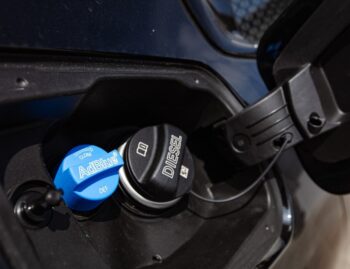
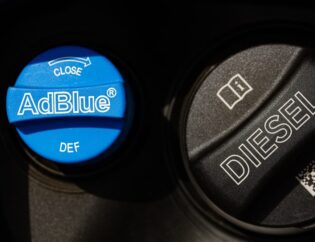
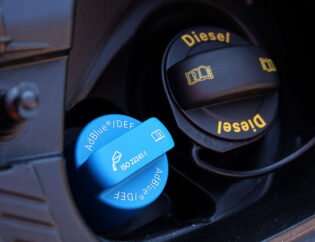
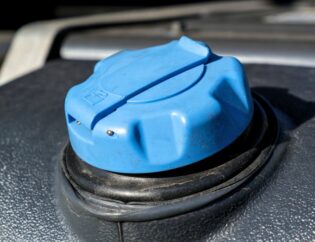
Diesel exhaust fluid is not an optional fluid—it’s a core component of how modern diesel engines remain clean, efficient, and compliant.
What DEF Does Inside Your Engine System
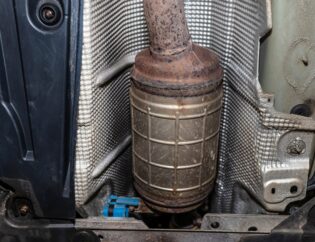
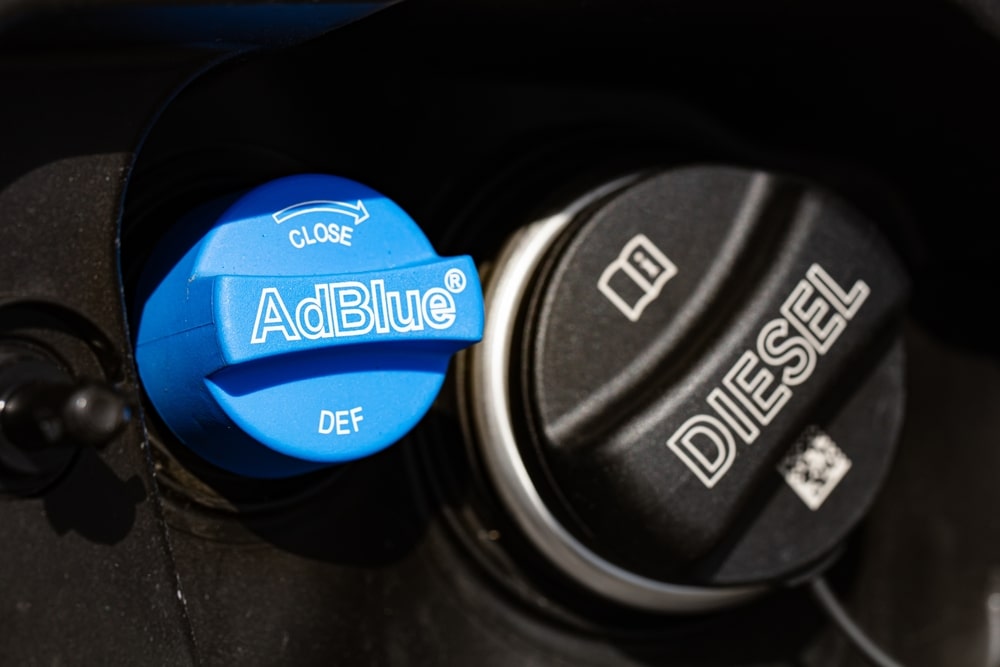
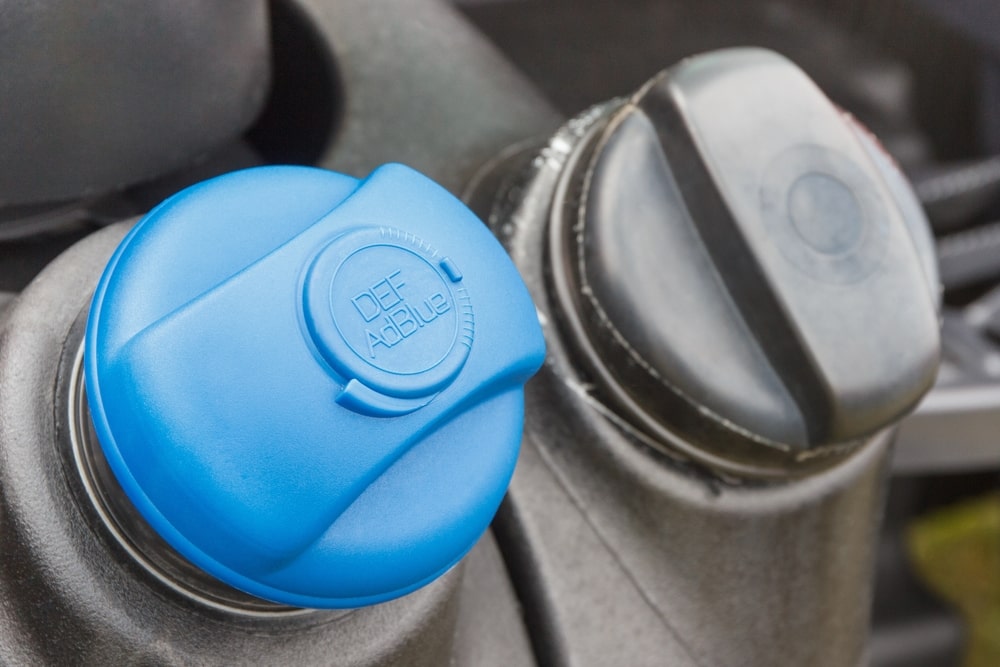
Diesel exhaust fluid is made of 32.5% urea and 67.5% deionized water. It is injected into the hot exhaust gases through the selective catalytic reduction (SCR) system, where it breaks down into ammonia. That ammonia reacts with nitrogen oxides (NOx), converting them into harmless nitrogen and water vapor. This process is critical because NOx emissions contribute to air pollution and health hazards. Without DEF, the SCR system cannot function, and the engine loses its ability to meet emissions standards.
The Role of DEF in Engine Cleanliness
When DEF is used properly, it doesn’t just reduce emissions; it also helps maintain a cleaner exhaust system. Catalysts, sensors, and filters in modern diesel engines rely on balanced chemical reactions to stay free of buildup. Running with low or no DEF forces the system to operate improperly, which can accelerate soot deposits, clogging, and sensor failures. Over time, this leads to performance loss, costly part replacements, and reduced engine longevity.
Environmental and Regulatory Necessity
Environmental regulations require diesel engines to stay within strict emissions thresholds. Manufacturers design engines so that they cannot legally or practically operate without DEF. By forcing reduced power or disabling restarts when the fluid runs out, manufacturers ensure compliance. This design protects air quality but also means that drivers and fleet operators must stay diligent about maintaining DEF levels.
Can You Drive with Low DEF—And What Happens Then?
Many drivers wonder if running low on DEF will damage the engine right away. The truth is, the consequences appear gradually but escalate quickly if ignored.
Warning Lights: Your First Signal
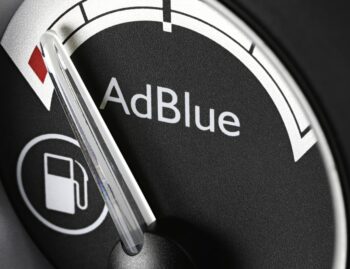
When DEF levels drop, the first sign is usually a dashboard warning light. An amber light indicates that fluid is running low and should be refilled soon. If this warning is ignored, the system escalates to a red light, signaling that the DEF supply is nearly gone. These warnings are not optional suggestions—they are built-in alerts that demand immediate attention to prevent shutdowns or reduced performance.
Limp Mode: Controlled Hammering of Performance
If DEF levels continue to drop, the engine may enter limp mode. In this state, power is reduced, acceleration is limited, and vehicle speed may be capped to ensure the operator addresses the issue. Limp mode is frustrating, especially on highways or worksites, but it’s a safeguard against emissions violations. In some cases, once the DEF tank is completely empty, the engine may refuse to restart at all until the fluid is replenished.
System Damage and Clogging Risks
Beyond limp mode, a prolonged shortage of DEF can damage the SCR system. Without the fluid, NOx is not neutralized, and soot may build up in filters and catalysts. This increases back pressure, reduces fuel efficiency, and can cause long-term wear on sensitive exhaust components. Repairs often run into the thousands of dollars and may sideline vehicles for extended periods.
Common DEF-Related Failures and Repairs
Low or poor-quality DEF doesn’t just inconvenience drivers—it can lead to serious and expensive failures.

Sensor and Header Damage
The DEF header is a component that monitors fluid quality, temperature, and levels. When DEF levels run too low or the system is allowed to dry out, sensors may fail. Replacing these parts can cost over a thousand dollars and requires specialized labor. This type of damage is preventable with consistent refilling and monitoring.
Exhaust System Obstruction
When DEF is not supplied in the correct amounts, exhaust aftertreatment components cannot function properly. The result is clogged catalysts and filters, which reduce airflow and power. Drivers may notice odd noises, reduced acceleration, black smoke, or a persistent diesel odor. Left unresolved, these blockages can result in full system shutdown.
Restart Lockouts After Shut-Off
Many modern vehicles include an automatic lockout when the DEF tank is empty. Once the engine is turned off, it will not restart until the DEF tank is refilled. This design prevents emissions violations but can cause major delays if drivers are caught unprepared far from a DEF supply.
Effects on Engine Efficiency and Fuel Economy
DEF isn’t just about emissions—it plays a direct role in keeping diesel engines efficient and cost-effective.

How DEF Boosts Performance Over Time
When SCR systems function properly, engines run more efficiently. Combustion is optimized, exhaust flow remains steady, and back pressure is reduced. This ensures engines deliver maximum horsepower while burning fuel cleanly, keeping both performance and reliability high.
Fuel Savings You Can Actually Feel
Some operators notice that engines with healthy SCR systems actually use fuel more efficiently. Savings of several percentage points may not sound like much, but for fleets running thousands of miles each month, it can add up to significant cost reductions. DEF is inexpensive compared to the fuel savings it supports.
Hidden Costs of Neglect
Skipping DEF refills might feel like a way to save time or money in the short term. But low DEF quickly leads to limp mode, downtime, clogged systems, and higher fuel consumption. What might be avoided by topping off a small fluid tank often results in far higher repair and operational costs later.
FAQs
What exactly happens to engine performance when DEF runs low?
Engines typically lose power and enter limp mode, reducing speed and acceleration until DEF is replenished.
Can my engine fail to restart if DEF runs empty?
Yes. Many modern engines will lock out restarts once the tank is empty to ensure emissions compliance.
How often should I top off DEF?
Most vehicles use DEF at about 2–3% of diesel consumption. Refilling DEF at every fuel stop is the simplest way to avoid issues.
Is using low-quality or non-certified DEF a problem?
Yes. Contaminated or non-standard DEF can damage the SCR system and void warranties. Always choose certified fluid.
Can DEF freeze—and how do I handle it?
DEF freezes in cold weather, but most vehicles are equipped with tank heaters to thaw it. Store DEF properly to avoid freezing and contamination.
Conclusion
Driving with low diesel exhaust fluid is far from harmless—it’s a direct path to limp mode, restart lockouts, clogged exhaust systems, and expensive repairs. DEF is not just an add-on fluid; it is essential to modern diesel engines. Keeping tanks full, storing DEF correctly, and using only high-quality fluid ensures compliance, performance, and long-term reliability.
At Azure Chemical, we provide ISO-certified, high-purity DEF designed to protect your vehicles and equipment. Our focus is not just on supplying fluid, but on helping fleets and operators handle DEF properly, avoid downtime, and maximize performance. Trust Azure Chemical for dependable DEF solutions that keep your engines running smoothly and your business moving forward. Contact us today.