Contents
DEF’s Role in Emissions Control for GSE
For GSE to remain both efficient and environmentally responsible, DEF has become essential in reducing harmful exhaust emissions.
Meet Emissions Standards Under Harsh Duty Cycles
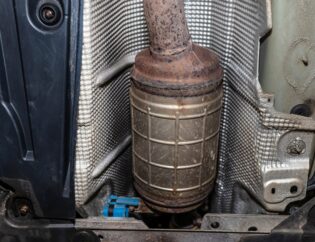
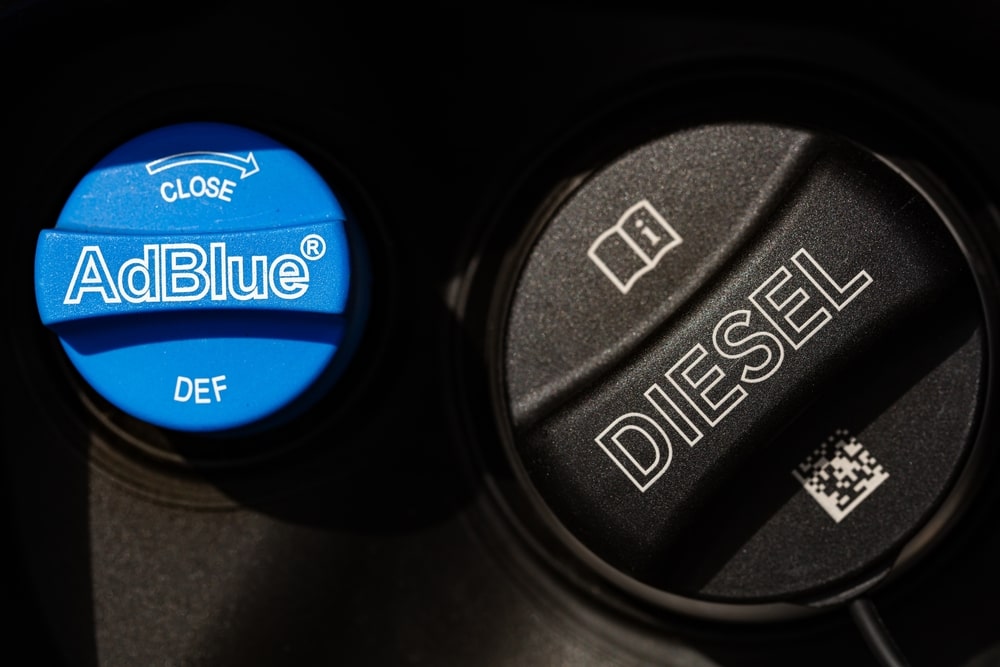
Ground support equipment experiences unique operational stresses, including long idle periods, frequent stop-and-go use, and heavy workloads in short bursts. These conditions often result in higher emissions than steady on-road driving. Diesel exhaust fluid, used in selective catalytic reduction (SCR) systems, neutralizes nitrogen oxides by converting them into harmless nitrogen and water. This ensures GSE equipment meets EPA Tier 4 and similar international standards, protecting both workers and the environment.
Preserving GSE Engine Longevity
Without DEF, pollutants such as NOx and particulate matter accumulate within the exhaust system, straining catalysts and sensors. Over time, this buildup forces engines to work harder, shortens service intervals, and increases repair costs. When DEF is consistently used, SCR systems stay cleaner, engine strain is minimized, and long-term performance remains reliable, extending the service life of valuable GSE assets.
Environmental Compliance and Airside Safety
Airports are under constant pressure to maintain safe air quality for staff and passengers. Ground operations take place in areas where people work in close quarters and where pollution can quickly accumulate. DEF makes GSE operations cleaner, reducing visible emissions and cutting down on smog-causing pollutants. This creates a safer, healthier environment for ground crew, flight staff, and travelers.
Performance and Fuel Efficiency Benefits
DEF’s role goes beyond emissions—it helps GSE engines deliver reliable performance while keeping operating costs under control.
Maintaining Engine Power in All Conditions
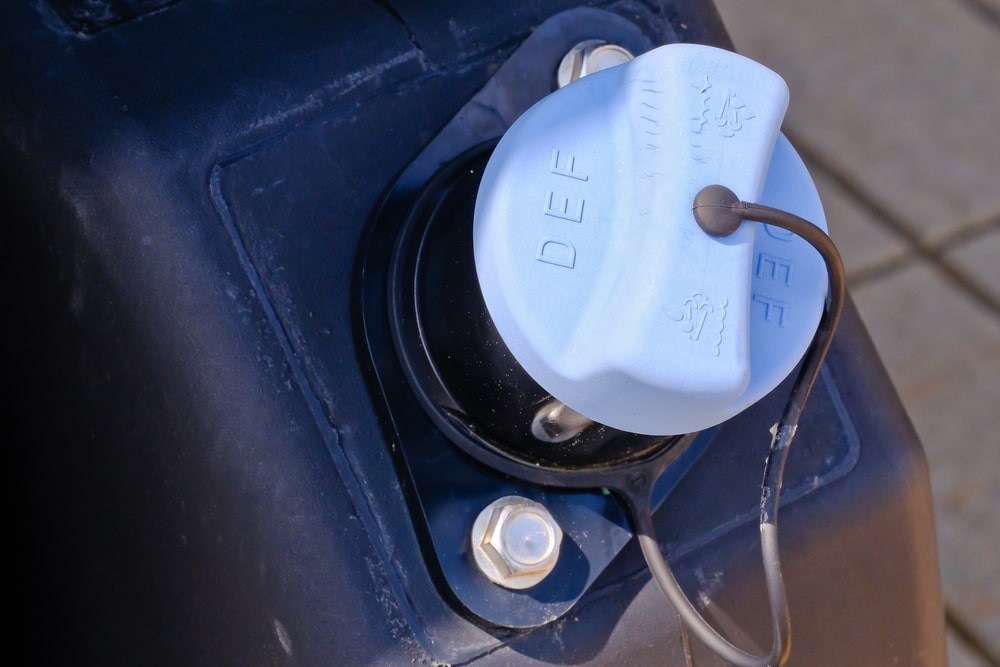
One of the most important benefits of DEF in GSE is that it allows engines to run at full power without the compromises older systems faced. Without DEF, engines may enter limp mode or reduce output to comply with emissions rules, which severely affects performance. For GSE, where power is essential for towing aircraft or lifting heavy loads, this stability ensures operations continue uninterrupted.
Fuel Use and Operational Economy
DEF promotes cleaner combustion by keeping exhaust pathways clear and catalysts effective. Cleaner systems reduce back pressure, which lowers fuel burn. Over time, this translates into measurable fuel savings. For large airport operations with dozens or hundreds of GSE units running long shifts, even small improvements in fuel efficiency add up to significant cost savings across the fleet.
Reducing Maintenance Frequency
When SCR systems operate correctly with DEF, soot and particulate matter are broken down more effectively. This reduces the number of times filters need to be cleaned or replaced, cutting maintenance downtime. Fewer disruptions mean GSE can stay in service longer, ensuring the equipment is ready when planes arrive, cargo needs loading, or passengers need transport across the runway.
Integration Challenges in GSE Deployment
While DEF is effective, integrating it into GSE fleets comes with operational challenges that must be managed carefully.
Infrastructure for Storage and Refilling
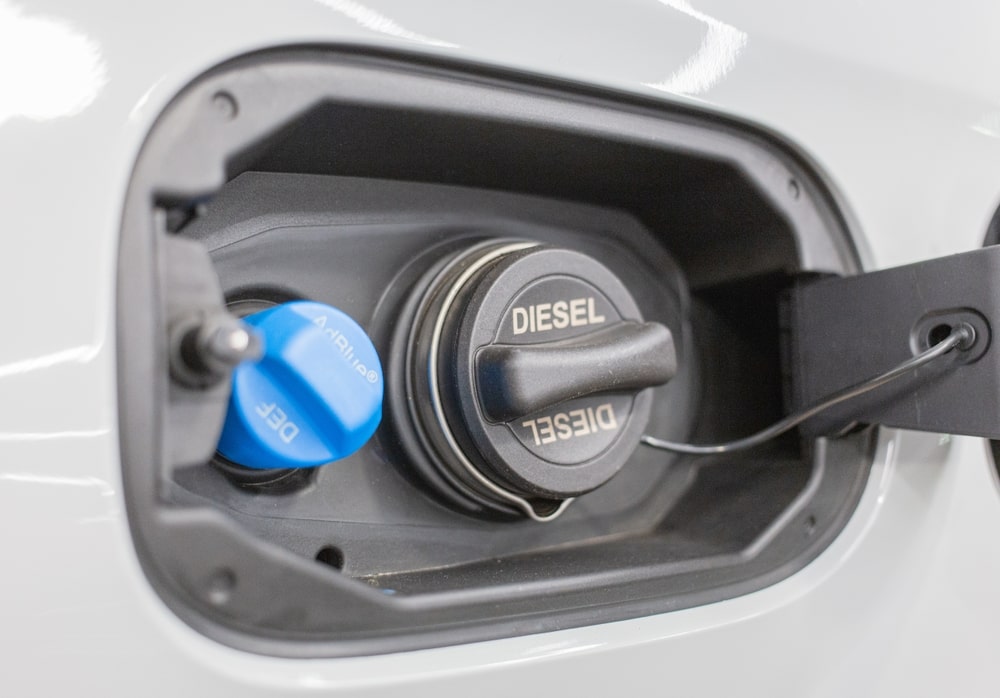
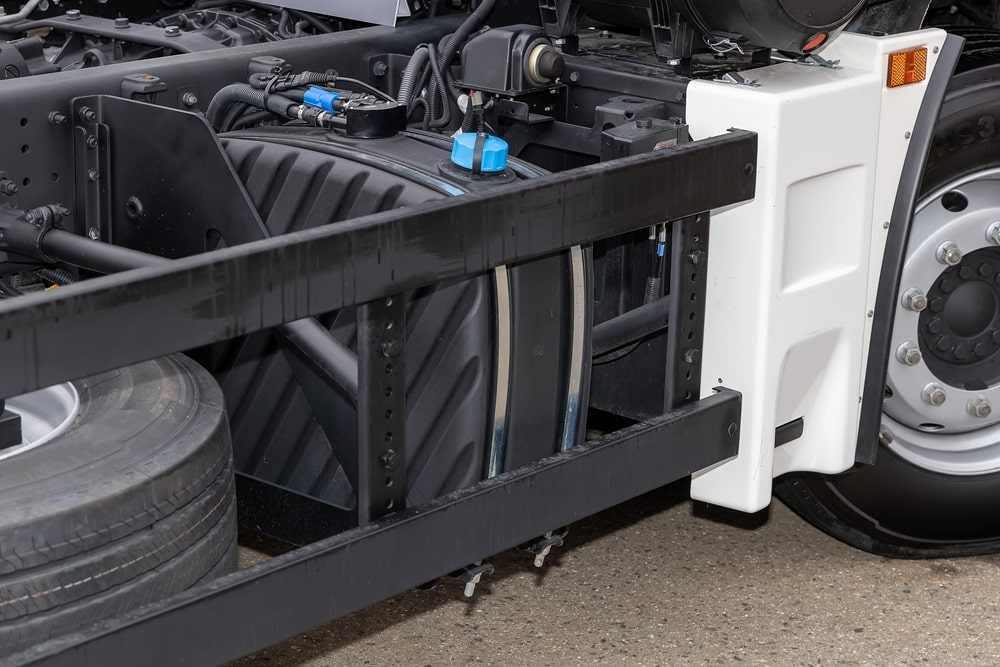
Airports and logistics centers must build the right infrastructure for storing and distributing DEF. Storage tanks may require insulation or heating systems in colder climates since DEF freezes at around –11°C (12°F). On busy ramps, mobile refilling systems are often needed to keep equipment running without delays. Proper infrastructure ensures fluid availability and prevents last-minute shortages that could disrupt schedules.
Training and Safety Protocols
Ground crew need to understand proper handling of diesel exhaust fluid. DEF must be kept uncontaminated, which means using dedicated hoses, pumps, and containers. Even small amounts of fuel or oil mixed in with DEF can damage the SCR system. Training ensures workers avoid spills, monitor tank levels, and respond quickly to warning lights—keeping both equipment and operations running smoothly.
Monitoring Fluid Quality for Reliability
Maintaining DEF purity is essential. Contaminated DEF can crystallize, clog injectors, and lead to expensive repairs. Airports must establish quality control practices, including sealed containers, regular inspections, and routine fluid checks. Monitoring systems on GSE also help by alerting crews when DEF quality falls below acceptable standards, allowing issues to be addressed before they escalate.
FAQs
How effective is diesel exhaust fluid at reducing GSE emissions?
DEF is highly effective at reducing nitrogen oxides in GSE engines, converting up to 90% of harmful gases into harmless nitrogen and water. This allows airports to meet strict air quality requirements.
Does DEF improve fuel efficiency in GSE equipment?
Yes. By keeping exhaust systems cleaner and reducing back pressure, DEF helps engines burn fuel more efficiently. This can lead to measurable fuel savings over time, especially for large fleets.
What challenges exist when using DEF in GSE?
Challenges include building infrastructure for DEF storage and refilling, ensuring staff training, and maintaining fluid quality. However, these challenges are manageable with proper planning and investment.
Can DEF be used in hybrid ground support vehicles?
Absolutely. In hybrid GSE units, diesel exhaust fluid helps keep emissions low when diesel generators operate, complementing electric power and extending the environmental benefits of hybrid technology.
Is the investment in DEF systems worth it for airports?
Yes. While there are upfront costs, the long-term benefits include fuel savings, extended engine life, reduced downtime, and compliance with environmental regulations, which often outweigh initial expenses.
Conclusion
Diesel exhaust fluid has proven to be both effective and essential in ground support equipment operations. It enables airports to meet emissions standards, supports engine power and efficiency, and helps keep fleets reliable even under heavy workloads. The challenges of implementing DEF—such as infrastructure and training—are minor compared to the long-term benefits of compliance, cost savings, and operational stability.
At Azure Chemical, we provide ISO-certified, high-purity diesel exhaust fluid along with expert guidance on storage solutions, training protocols, and quality control practices. Whether you operate a small set of ground support vehicles or manage an entire airport fleet, our mission is to help you maintain cleaner operations, protect your investments, and keep your business moving without interruption. Contact us today.