Contents
- 1 Emissions Systems in the 2015 Golf TDI – U.S. Market
- 2 How This Differs from European/Export Models
- 3 Verifying Whether Your Vehicle Has an AdBlue Tank or Fill Point
- 4 Potential Misunderstandings & Why Owners Ask About AdBlue
- 5 What Maintenance Should U.S. Owners of the 2015 Golf TDI Focus On Instead of AdBlue?
- 6 Frequently Asked Questions (FAQ)
- 6.1 Does the 2015 U.S. Golf TDI require adblue?
- 6.2 If I find an AdBlue tank/filler, does that mean my Golf TDI uses it?
- 6.3 What happens if I mistakenly think I need adblue and buy it anyway?
- 6.4 Are there U.S. TDI vehicles from Volkswagen that do require adblue?
- 6.5 How can I confirm for sure whether my car uses adblue?
- 7 Conclusion
Emissions Systems in the 2015 Golf TDI – U.S. Market
In this section we explore how the emissions controls on the 2015 Golf TDI are designed for the U.S., and whether they include an SCR/AdBlue system.
What emissions technology does VW use in the U.S. TDI models?
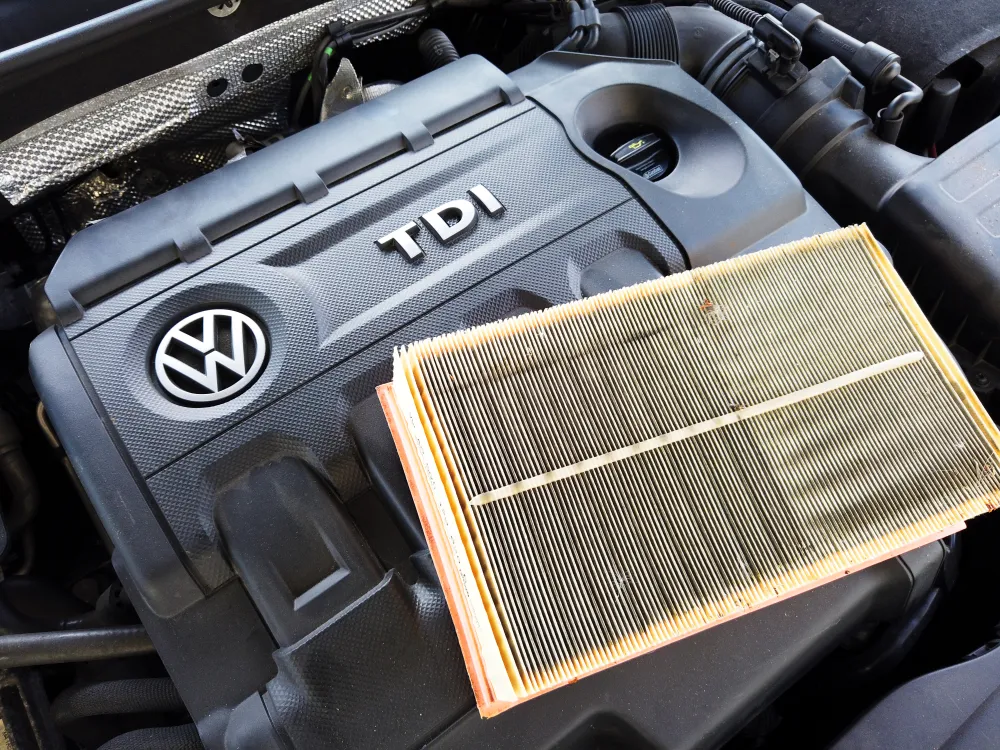
For the U.S. versions of the Golf TDI, Volkswagen implemented diesel vehicles under the “clean diesel” marketing theme. These vehicles used a combination of a diesel particulate filter (DPF) and NOx-storage catalyst (NSC) rather than the urea-injection selective catalytic reduction (SCR) systems widely used in Europe. Indeed, some references indicate that for U.S. models, AdBlue is not required because the NOx reduction is achieved differently.
Evidence indicating no AdBlue requirement for U.S. Golf TDI
Practical evidence from owner forums supports that U.S. 2015 Golf TDI models do not have a separate AdBlue tank or urea dosing system. For example, fluid capacity charts for U.S. TDI models do not list AdBlue or a DEF (diesel exhaust fluid) fill requirement under “Golf” entries for 2009-2015, whereas other VW/Passat models listing an SCR system do indicate an AdBlue fill capacity. Additionally, Wiki information on the U.S. Jetta TDI states “AdBlue … is not required” for the U.S. market version. These signals suggest that the 2015 U.S. Golf TDI likely does not require AdBlue.
How This Differs from European/Export Models
Here we compare European versions of the Golf / TDI with U.S. models to clarify where AdBlue usage is more common.
European models and SCR/AdBlue systems
In many European-market diesel vehicles (including VW Golf variants), urea-based adblue systems (Selective Catalytic Reduction) are the norm, especially where Euro 6/Euro 5 emission standards apply. These systems require periodic filling of the AdBlue tank. References show for Golf SportWagen in non-U.S markets the AdBlue tank capacity is about 15.4 litres. This difference highlights that the U.S. version of the vehicle may be configured differently.
Why U.S. market TDI may omit AdBlue systems
The difference typically arises because U.S. emission regulations (e.g., EPA Tier 2 Bin 5 until more recent regulations) and certification strategies allowed VW to use NOx-storage catalyst rather than SCR/urea. This design choice means no AdBlue tank, simpler system, fewer additional consumables for the driver. Thus, U.S. Golf TDI models may not include the infrastructure for AdBlue use.
Verifying Whether Your Vehicle Has an AdBlue Tank or Fill Point
Vehicle owners should check practical indicators to determine if their car uses adblue.

Checking for AdBlue filler cap or tank
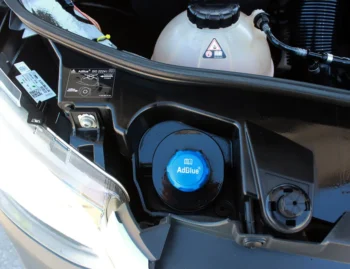
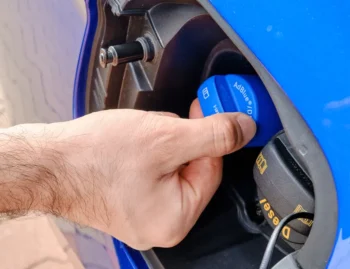
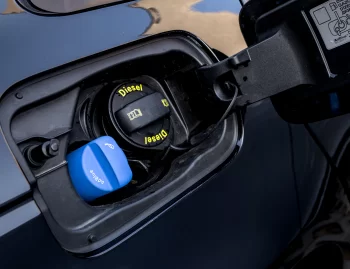
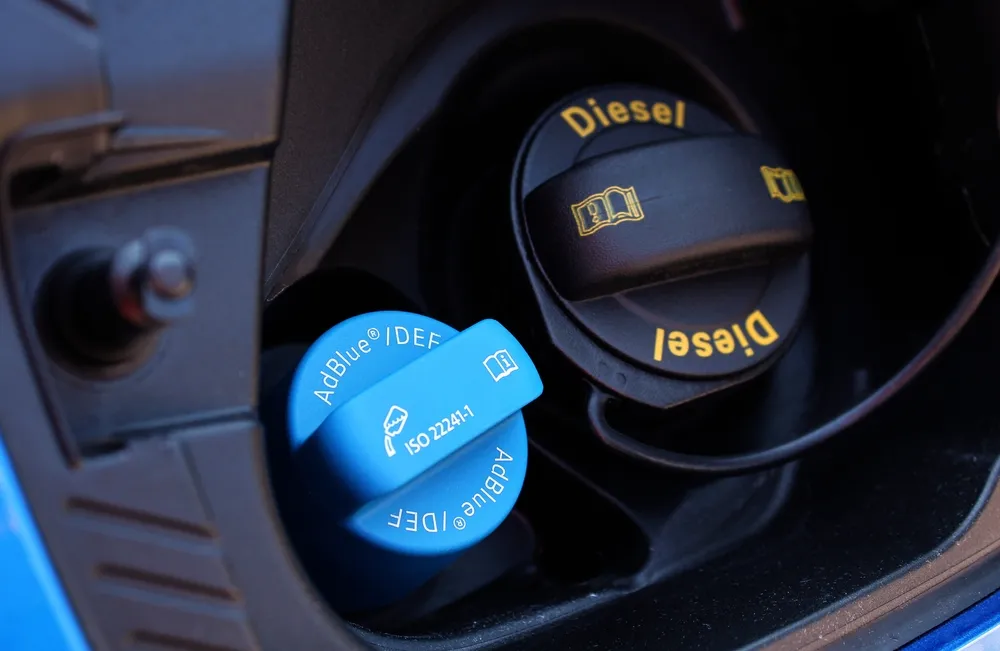
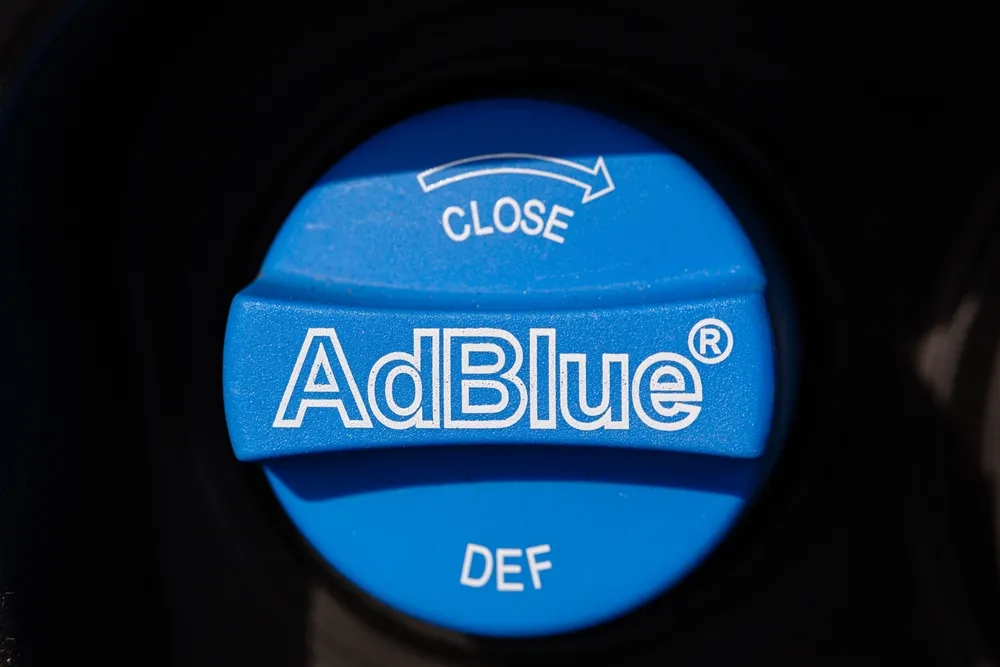
To verify if your 2015 U.S. Golf TDI uses AdBlue, open the fuel-filler area and look for a separate filler cap marked “AdBlue,” “DEF,” or “urea solution” near or inside the fuel door or in the trunk. If you cannot locate such a fill point, that strongly indicates the vehicle does not require AdBlue.
Reviewing owner’s manual and VW documentation
Consult the owner’s manual or VW technical documents specific to your vehicle (2015 Golf TDI U.S.) and look for any mention of “AdBlue,” “Diesel Exhaust Fluid,” or “SCR” in the maintenance or fluid capacities section. If none exist, and only conventional fluids are listed (engine oil, coolant, transmission fluid), then AdBlue is unlikely required.
Potential Misunderstandings & Why Owners Ask About AdBlue
This section discusses common reasons why owners of U.S. diesel VWs ask about adblue and how confusion arises.
Overlap with VW emissions scandal and TDI branding
Because the “TDI” and “Clean Diesel” branding has global recognition, and because many European diesels do use AdBlue, U.S. owners may assume that the 2015 Golf TDI also uses it. Moreover, the Volkswagen emissions scandal widely publicised diesel issues, add to the confusion about emissions hardware and consumables.
Aftermarket conversions or exported models
In some cases, vehicles may have been imported, modified, or are export models originally built for other markets. If a Golf TDI was built for export or has been re-engineered, there may be an AdBlue tank present—but this is not standard for U.S. domestic 2015 Golf TDI models. It’s important to verify the VIN and build specification.
What Maintenance Should U.S. Owners of the 2015 Golf TDI Focus On Instead of AdBlue?
Since the vehicle likely does not use adblue, owners should focus on other relevant maintenance consumables and system items.
Regular diesel fuel filter, DPF and NOx-storage catalyst maintenance
Because the U.S. 2015 Golf TDI likely uses NOx-storage catalyst and diesel particulate filter rather than SCR/AdBlue, owners should ensure regular service of the diesel fuel filter, maintain high-quality diesel fuel, and monitor the DPF regeneration process. Keeping fuel and oil clean, observing service intervals and using approved engine fluids matters for longevity and compliance.
Monitoring warning lights and dealership software updates
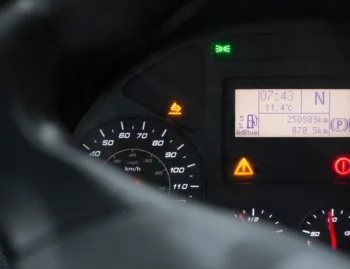
Although AdBlue may not be required, owners should still remain vigilant for any warning lights related to emissions or engine performance. Ensure that dealership software updates or recall campaigns have been applied. Maintaining emissions-system health protects resale value and regulatory compliance.
Frequently Asked Questions (FAQ)
Does the 2015 U.S. Golf TDI require adblue?
No — in standard U.S.-market configuration, the 2015 Golf TDI does not require adblue (diesel exhaust fluid) because it uses a NOx-storage catalyst system rather than SCR/urea injection.
If I find an AdBlue tank/filler, does that mean my Golf TDI uses it?
If your vehicle has an AdBlue/DEF filler cap or dedicated tank, it may be an export or modified model. Standard U.S. builds typically do not include that hardware. Verify your VIN and build specification.
What happens if I mistakenly think I need adblue and buy it anyway?
Using adblue in a vehicle not designed for it is not necessary and could lead to confusion; ensure you are using only required consumables. It’s better to follow the correct specification for your vehicle.
Are there U.S. TDI vehicles from Volkswagen that do require adblue?
Yes — in certain export or later-model diesels, or vehicles built for stricter emission regions, VW uses SCR/urea (AdBlue) systems. But the U.S. 2015 Golf TDI is not among them.
How can I confirm for sure whether my car uses adblue?
Check the owner’s manual for “Diesel Exhaust Fluid” or “AdBlue,” look for a fill cap labelled as such, and inquire with VW using your VIN to determine the exact emissions configuration of your vehicle.
Conclusion
For owners of the U.S.-market 2015 Volkswagen Golf TDI, it’s important to understand that adblue (urea-based diesel exhaust fluid) is not typically required in its stock form. The vehicle uses alternative emissions controls tailored for the U.S. market, meaning you won’t need to purchase or fill AdBlue. That said, maintaining your emissions and diesel systems remains critical for performance and longevity.
At Azure Chemical, while your 2015 Golf TDI may not require our adblue product, we are experts in premium-grade diesel exhaust fluids and support customers with vehicles that do require it. If you ever acquire a vehicle with an SCR/AdBlue system, or move into fleet management where AdBlue usage is essential, we’re here to supply certified, high-quality AdBlue solutions backed by industry standards and trust. Schedule your deliveries today.