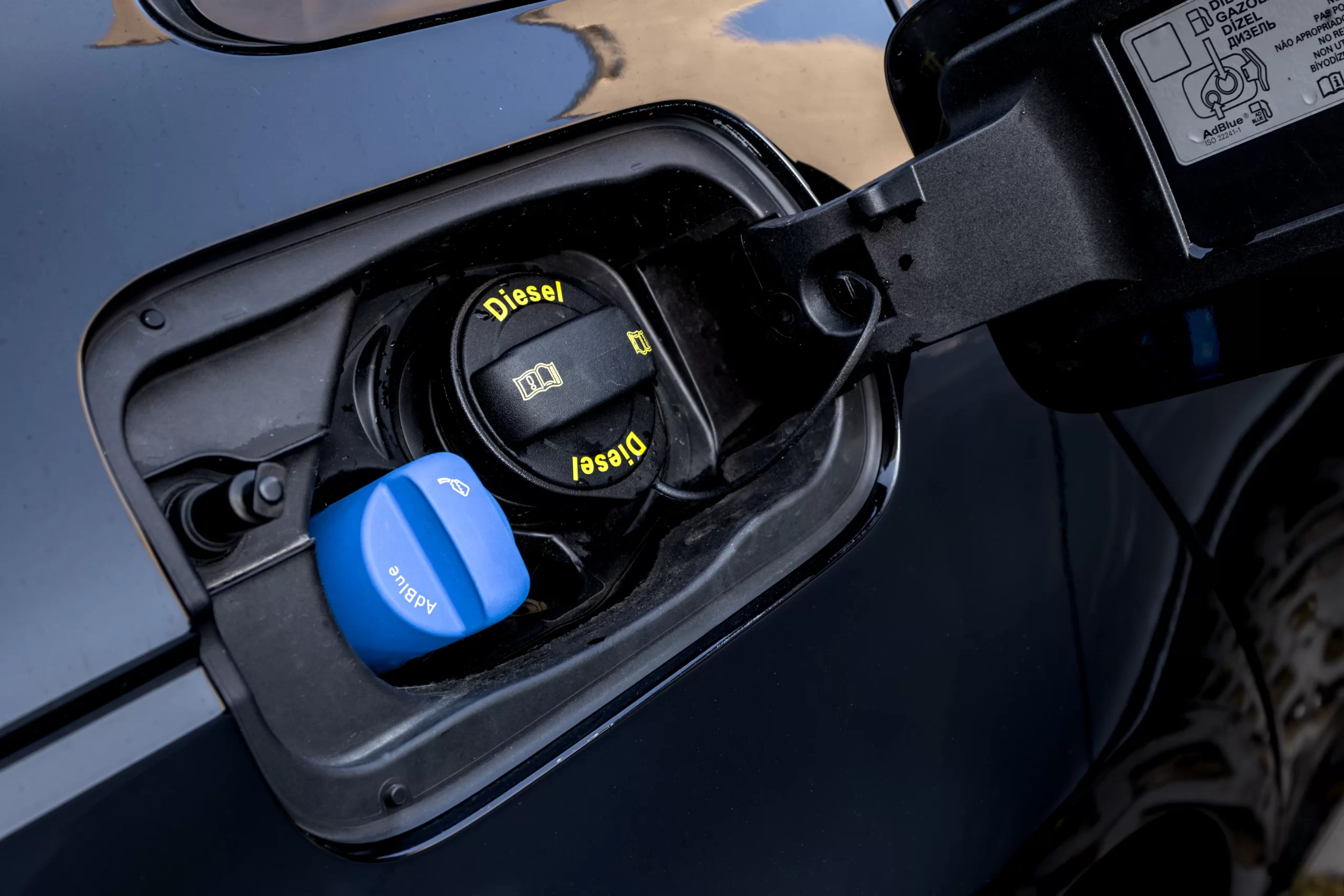
Understanding whether BMW BluePerformance always requires adblue depends on the emissions technology fitted to the vehicle, particularly whether it uses selective catalytic reduction. This guide explains how the system works, when adblue is required, and what BMW diesel owners should know to avoid compliance or drivability issues.
Contents
- 1 What BMW BluePerformance Actually Refers To
- 2 When BMW BluePerformance Requires AdBlue
- 3 BMW Diesel Models That Commonly Use AdBlue
- 4 What Happens When AdBlue Levels Drop Too Low
- 5 How Much AdBlue BMW BluePerformance Vehicles Typically Use
- 6 Common Misunderstandings About BMW BluePerformance and AdBlue
- 7 Best Practices for Storing and Handling AdBlue
- 8 Frequently Asked Questions About BMW BluePerformance and AdBlue
- 9 Conclusion
What BMW BluePerformance Actually Refers To
BMW BluePerformance is not a single component or fluid. It is a collective term for multiple emissions reduction technologies used in BMW diesel vehicles to meet regulatory limits while maintaining performance and fuel efficiency.
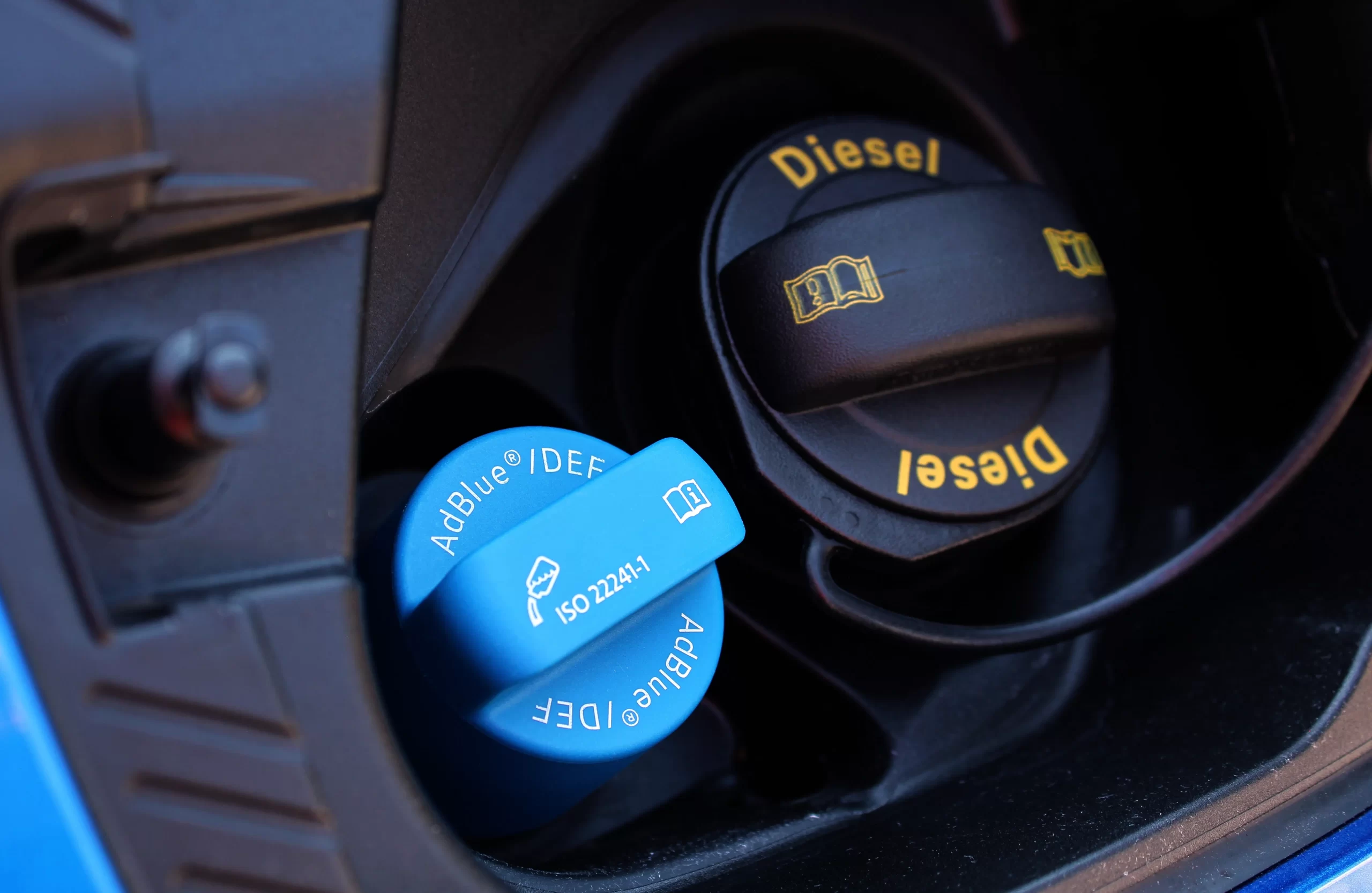
BluePerformance as an Emissions Technology Package
BluePerformance combines several systems that work together to reduce harmful exhaust gases. These systems may include diesel particulate filters, oxidation catalysts, exhaust gas recirculation, and in many newer vehicles, selective catalytic reduction systems that rely on adblue. The combination allows BMW diesel engines to meet emissions targets without excessive fuel consumption or power loss.
Why BMW Uses Multiple Emissions Systems
Diesel engines operate under varied conditions such as cold starts, heavy acceleration, towing, and highway cruising. No single emissions system can handle all these scenarios efficiently. BMW uses layered emissions strategies so pollutants can be controlled both during combustion and after exhaust gases leave the engine. Adblue-based SCR systems are particularly effective at reducing nitrogen oxide after combustion.
When BMW BluePerformance Requires AdBlue
BMW BluePerformance does not always require adblue. Whether adblue is needed depends on whether the vehicle is equipped with an SCR system.
Selective Catalytic Reduction and AdBlue Dependency
Vehicles fitted with SCR systems require adblue to function correctly. Adblue is injected into the exhaust stream, where heat converts it into ammonia. This ammonia reacts with nitrogen oxides and breaks them down into harmless nitrogen and water vapor. Without adblue, the SCR system cannot reduce emissions effectively.
Differences by Model Year and Emissions Standards
Earlier BMW diesel vehicles carrying the BluePerformance name may rely on particulate filters and internal engine controls rather than SCR. As emissions regulations became stricter, especially under Euro 6 standards, BMW increasingly adopted SCR systems. Many newer BMW diesel models therefore require adblue as a normal operating fluid.
Regional Variations in AdBlue Requirements
Adblue usage can vary by region. Markets with stricter diesel emissions rules adopted SCR technology earlier. This is why two BMW diesel vehicles with similar engines may have different adblue requirements depending on where they were sold.
BMW Diesel Models That Commonly Use AdBlue
Knowing which BMW vehicles typically require adblue helps owners plan maintenance and avoid unexpected warnings.
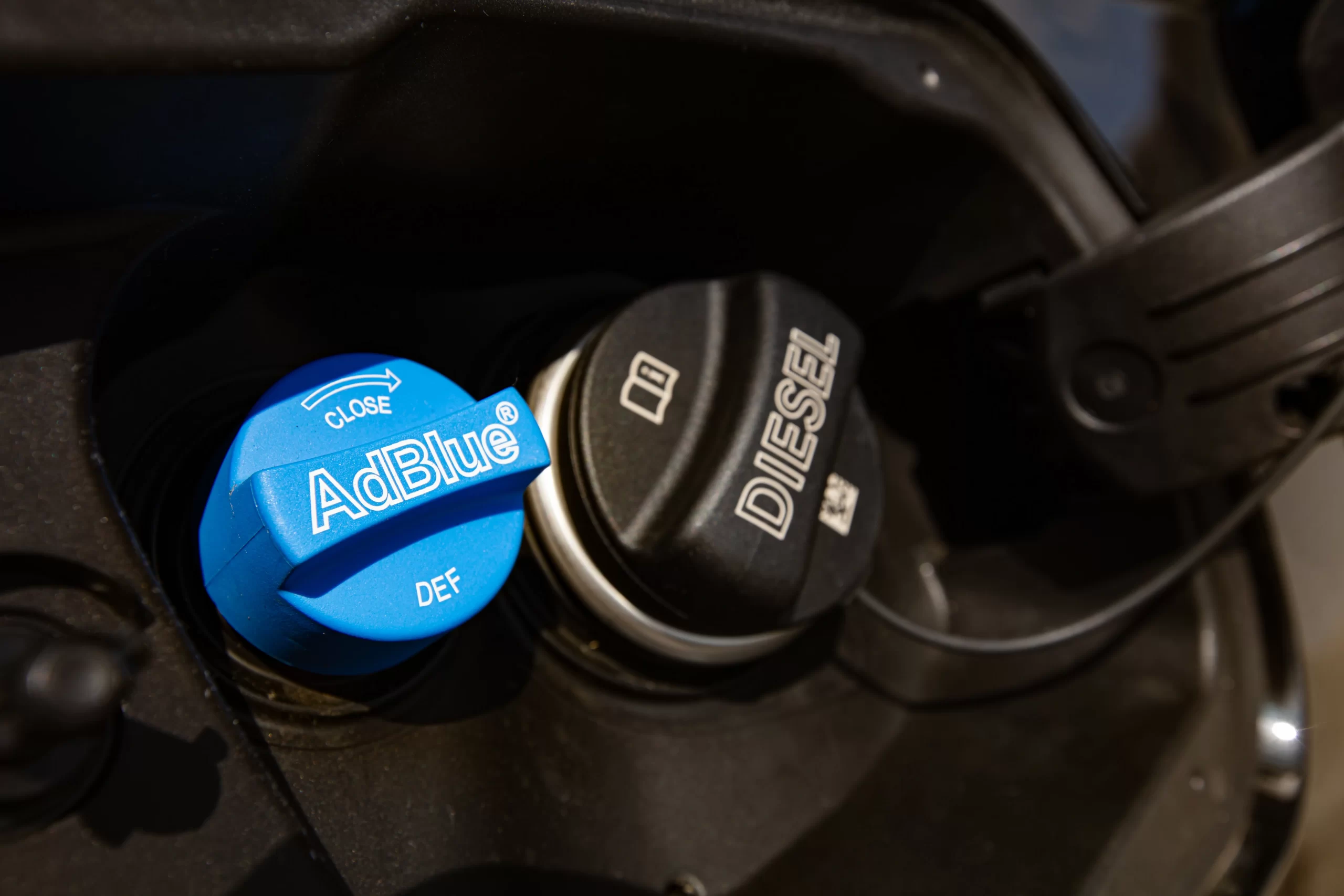
BMW Diesel Sedans and Wagons
Many later-generation BMW diesel sedans and wagons use SCR systems as part of BluePerformance. These vehicles monitor adblue levels electronically and provide clear alerts when refilling is required. Regular adblue top-ups are part of standard ownership.
BMW Diesel SUVs and Crossovers
BMW diesel SUVs often use SCR systems due to higher vehicle weight and increased emissions output. Adblue enables these vehicles to meet emissions regulations while maintaining towing capacity and performance.
High-Output and Heavy-Duty Diesel Variants
Higher-output BMW diesel engines generate more nitrogen oxides. SCR systems paired with adblue are especially important in these applications, making adblue essential rather than optional.
What Happens When AdBlue Levels Drop Too Low
BMW diesel vehicles that rely on adblue are designed to enforce emissions compliance through onboard software.
Dashboard Warnings and Advance Notifications
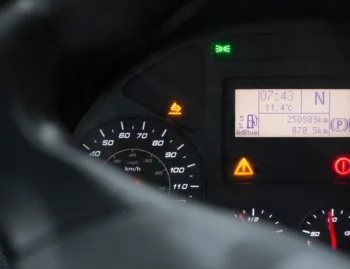
When adblue levels begin to fall, the vehicle displays warnings indicating remaining driving range. These alerts escalate gradually, giving drivers sufficient time to refill before reaching a critical level.
Restart Prevention When AdBlue Is Empty
If adblue is fully depleted, many BMW vehicles will prevent the engine from restarting once it is switched off. This is required by emissions regulations and cannot be overridden until adblue is added.
Why BMW Enforces AdBlue Usage
Adblue is essential to emissions control, not a convenience feature. Without it, nitrogen oxide emissions would exceed legal limits. BMW enforces adblue usage to ensure environmental compliance and legal operation.
How Much AdBlue BMW BluePerformance Vehicles Typically Use
Adblue consumption is generally predictable when the system is operating correctly.
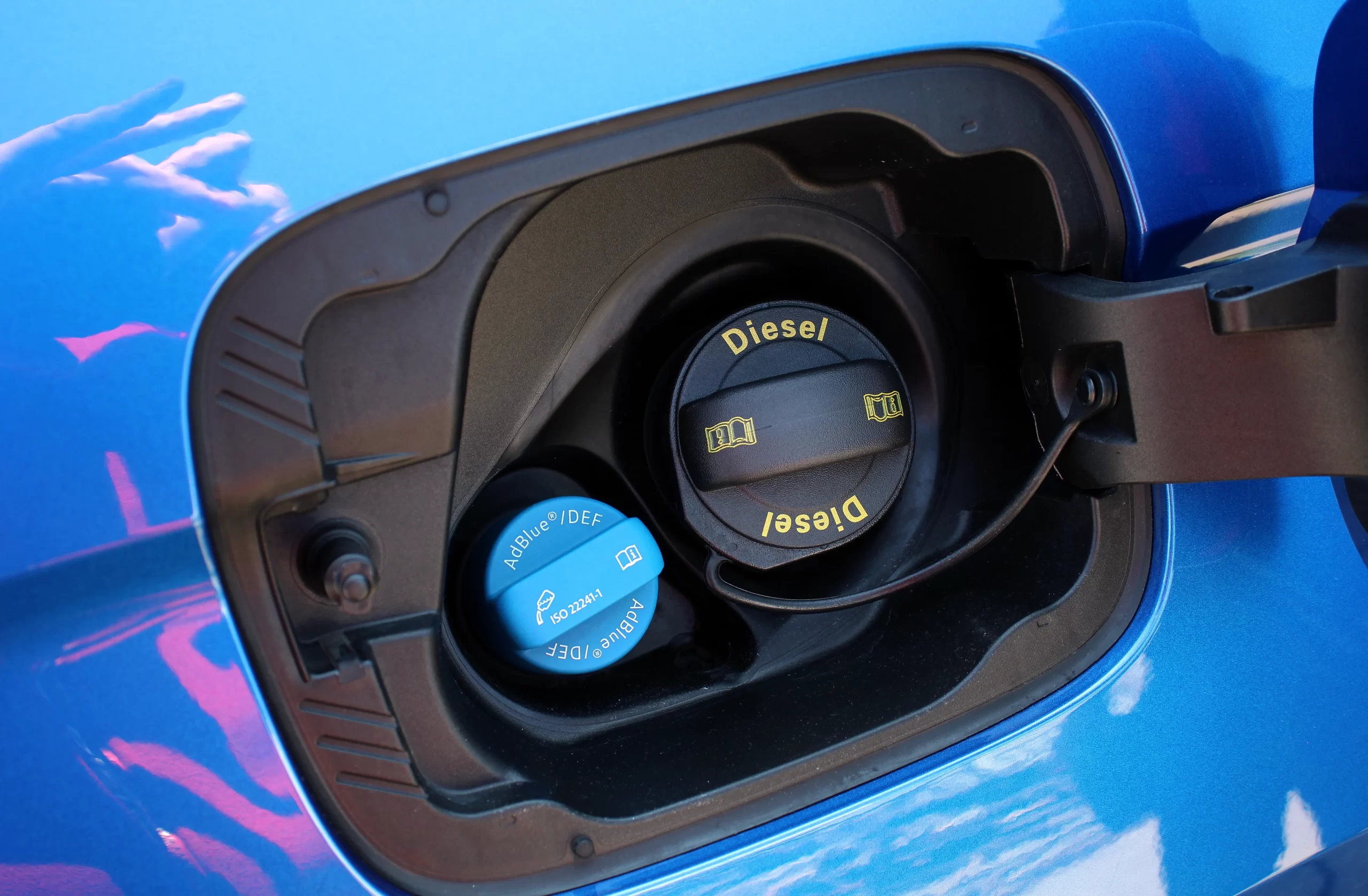
Typical Consumption Patterns
Most BMW diesel vehicles consume adblue slowly, often requiring refills every several thousand miles. Consumption is tied to fuel usage rather than time alone.
Driving Conditions That Affect AdBlue Use
Short trips, heavy loads, towing, and aggressive driving can increase adblue consumption. Steady highway driving typically results in more efficient usage.
Planning Refills as Part of Routine Maintenance
Refilling adblue is infrequent and simple. Including adblue checks during routine servicing helps avoid warnings and unexpected vehicle restrictions.
Common Misunderstandings About BMW BluePerformance and AdBlue
Confusion about adblue often stems from incorrect assumptions rather than actual system complexity.
The Idea That AdBlue Is Optional
Adblue is not optional for vehicles equipped with SCR systems. The emissions system is designed around its use, and normal operation depends on it.
The Belief That Only Commercial Vehicles Use AdBlue
While adblue has long been used in trucks and buses, many modern passenger vehicles including BMW sedans and SUVs now rely on it as well.
Concerns About Performance or Fuel Economy
Adblue does not reduce engine power. SCR systems allow engines to run efficiently while emissions are treated after combustion.
Best Practices for Storing and Handling AdBlue
Correct handling of adblue protects sensitive emissions components.
Proper Storage Conditions
Adblue should be stored in a cool, shaded area away from direct sunlight. Excessive heat can degrade the fluid.
Preventing Contamination
Adblue must remain clean. Even small amounts of dirt or fuel contamination can damage SCR systems. Always use clean containers and dedicated filling equipment.
Understanding Shelf Life
Adblue has a limited shelf life, particularly when stored improperly. Using fresh, high-quality diesel exhaust fluid supports system reliability.
Frequently Asked Questions About BMW BluePerformance and AdBlue
Does BMW BluePerformance always require adblue?
No. Some older BMW BluePerformance diesel models do not use SCR systems and therefore do not require adblue. Many newer models do.
How can I tell if my BMW needs adblue?
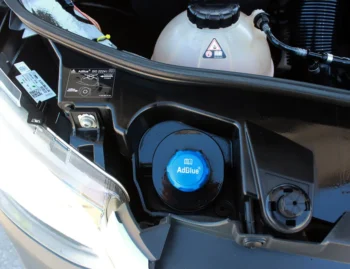
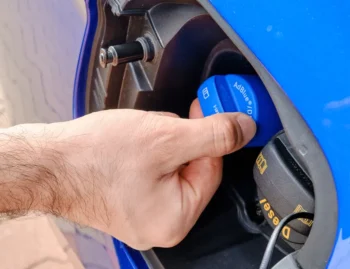
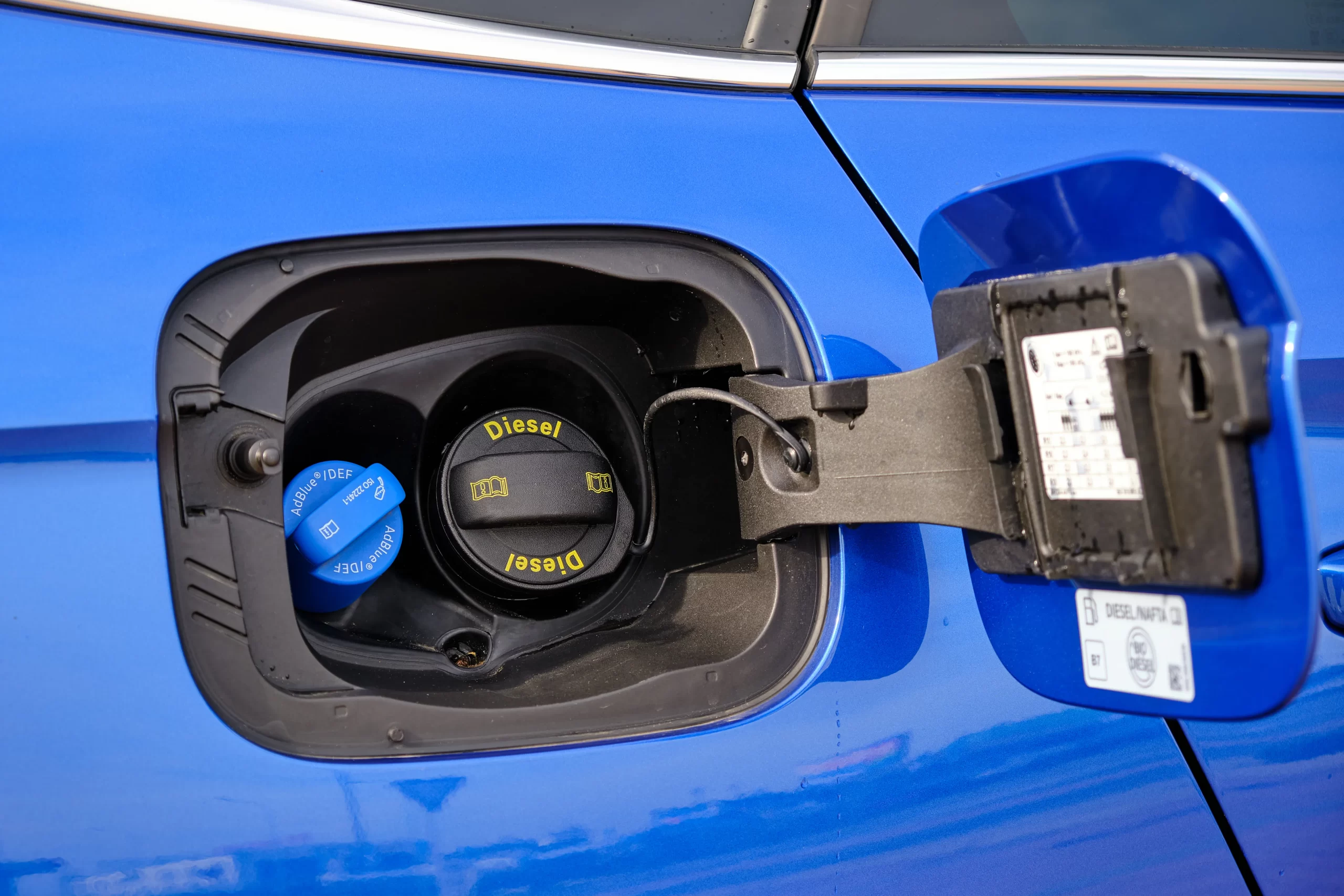
Check the owner’s manual, look for an adblue filler cap, or review dashboard messages related to adblue levels.
Can I keep driving when the adblue warning appears?
Yes, for a limited distance. The warning system is designed to allow time to refill before restart restrictions apply.
What happens if adblue runs out completely?
Most BMW vehicles will not restart after being switched off until adblue is refilled.
Is all adblue the same quality?
Adblue must meet strict standards, but handling and purity matter. Using a reliable supplier reduces contamination risk.
Can adblue damage my engine?
No. Adblue is injected into the exhaust system, not the engine. When used correctly, it protects emissions components.
Conclusion
BMW BluePerformance does not always require adblue, but many modern BMW diesel vehicles depend on it for emissions compliance and normal operation. Whether adblue is required depends on the vehicle’s engine, model year, and emissions system. Understanding this helps owners avoid unexpected restrictions and maintain reliable performance.
At Azure Chemical, we supply high-quality adblue diesel exhaust fluid engineered to meet strict purity standards. Whether you maintain a single BMW or manage diesel vehicles at scale, our adblue solutions help protect emissions systems, support compliance, and keep vehicles running with confidence. Schedule your deliveries today.