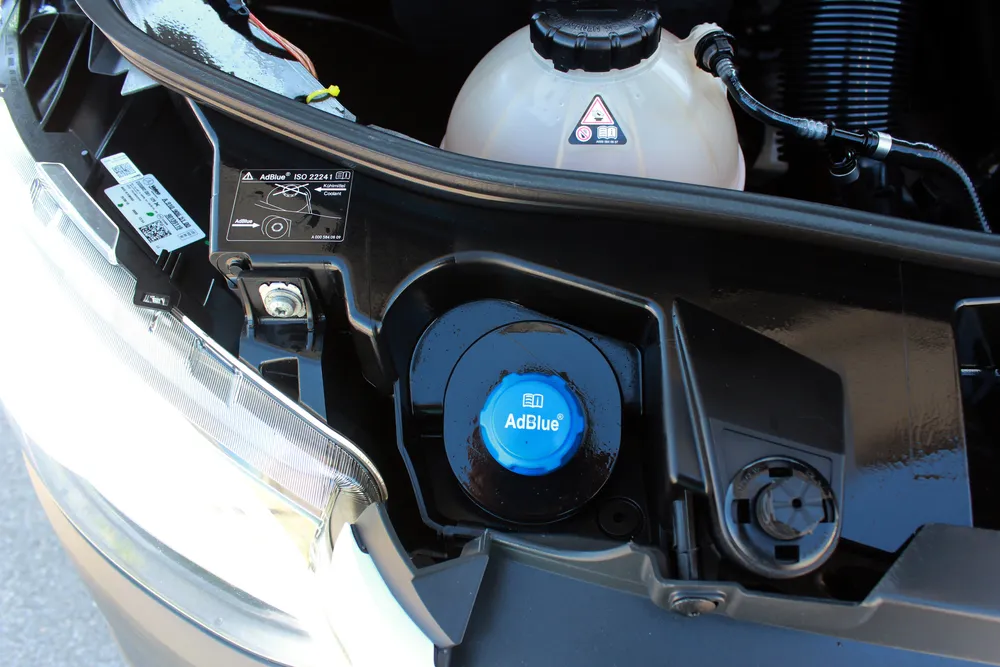
Before considering adblue removal, it is important to understand what the system does, why removal is risky, and what legal repair options are available. In most cases, the better solution is not removal, but proper diagnosis, quality DEF, correct storage, and professional repair of the SCR system.
Contents
- 1 What Does AdBlue Removal Mean?
- 2 Is AdBlue Removal Legal?
- 3 Why Diesel Owners Consider AdBlue Removal
- 4 Risks Of AdBlue Removal
- 5 Legal Alternatives To AdBlue Removal
- 6 Common AdBlue Removal Myths
- 7 How Quality DEF Helps Prevent AdBlue System Problems
- 8 AdBlue Removal Concerns For Fleets And Heavy Equipment
- 9 What To Do Before Considering AdBlue Removal
- 10 FAQ
- 11 Conclusion
What Does AdBlue Removal Mean?
Adblue removal usually refers to disabling, bypassing, deleting, or physically removing parts of a diesel vehicle’s DEF or SCR emissions system. This may involve software changes, hardware removal, emulator devices, or attempts to stop the vehicle from using DEF.
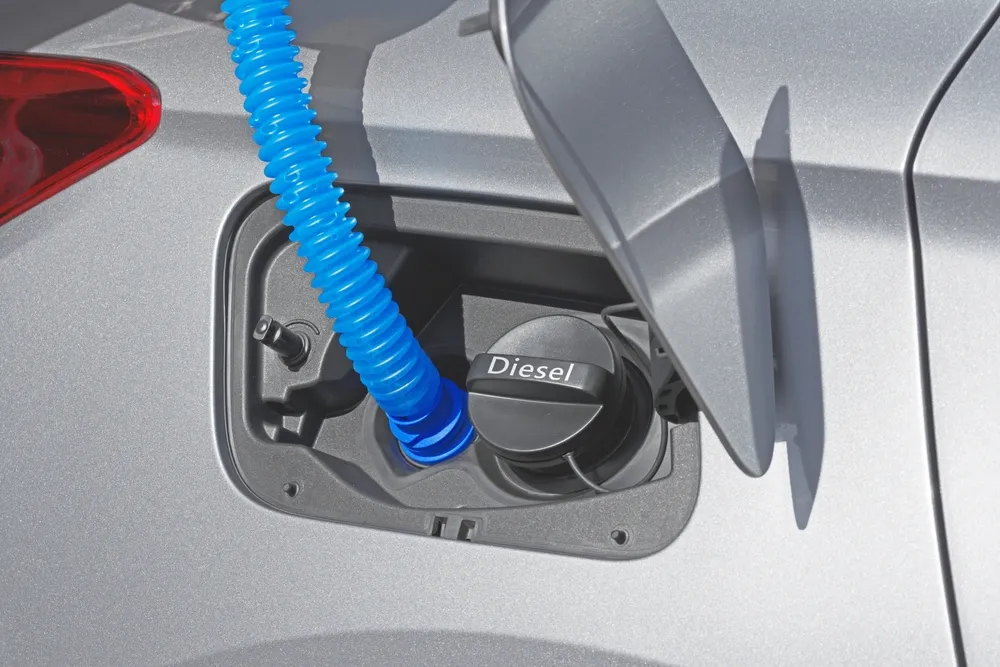
AdBlue Removal Is Different From DEF System Repair
A proper repair keeps the emissions system working as designed. Adblue removal, on the other hand, attempts to stop the system from functioning. This difference matters because a repair restores compliance and vehicle reliability, while removal can create legal, mechanical, warranty, inspection, and resale problems.
The SCR System Is Designed To Reduce Emissions
The SCR system uses DEF to help reduce nitrogen oxide emissions after combustion. DEF is injected into the exhaust stream and works with the catalyst to support cleaner diesel operation. The EPA’s diesel exhaust fluid guidance explains that vehicles using DEF are required to meet emissions standards and include systems that monitor DEF levels, failures, and tampering.
Is AdBlue Removal Legal?
Many drivers ask about adblue removal because they want to avoid warning lights or refill costs, but legality is one of the most important issues. In the United States, emissions-control tampering is heavily regulated, and drivers should avoid any modification that disables or bypasses certified emissions equipment.
Emissions Tampering Can Create Serious Consequences
Federal guidance explains that removing or rendering emissions-control devices inoperative is prohibited, and the rules also address manufacturing, selling, or installing defeat devices. The EPA specifically identifies SCR systems and related emissions components as part of the protected emissions-control design.
State Rules And Inspections May Also Apply
Even if a vehicle still runs after adblue removal, it may fail inspection, become difficult to register, lose warranty coverage, or create problems during resale. Many states also enforce emissions-related requirements, so owners should check local rules and work with qualified technicians instead of using delete kits or bypass devices.
Why Diesel Owners Consider AdBlue Removal
Adblue removal is often considered when drivers experience repeated DEF warnings, no-start countdowns, derates, or expensive repair estimates. While the frustration is real, removal usually creates bigger risks than the original problem.
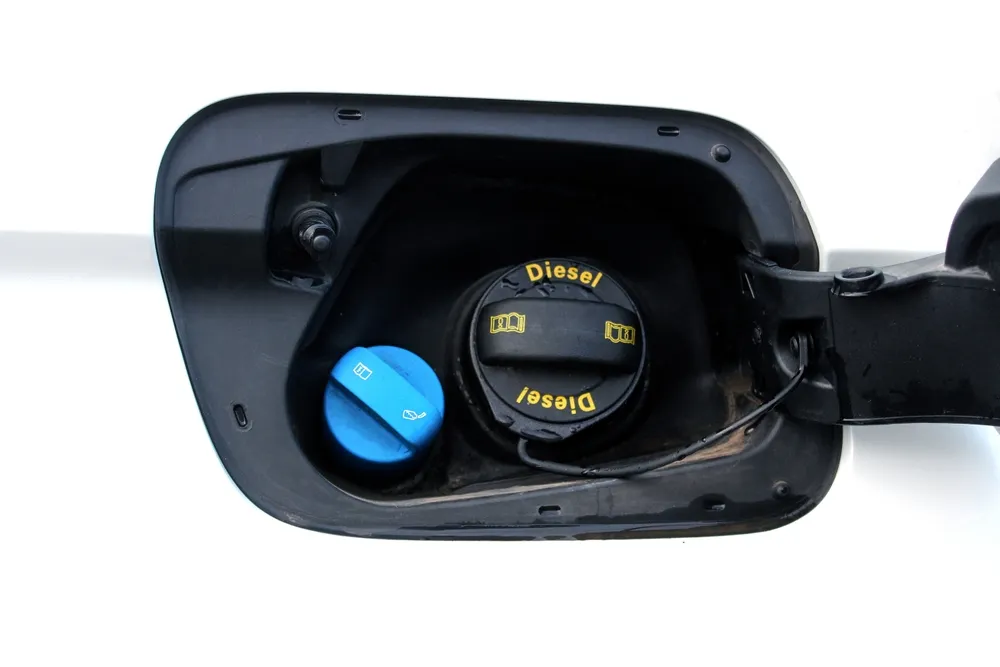
DEF Warning Lights And Countdown Messages
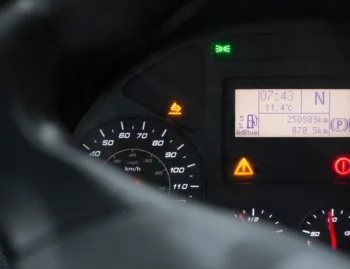
Modern diesel vehicles may show warnings when DEF is low, poor-quality DEF is detected, or an SCR component is malfunctioning. If the issue is not corrected, some vehicles can limit speed, reduce power, or eventually prevent restart. These warnings are designed to keep emissions systems operating correctly, not simply to inconvenience the driver.
Repair Costs And Downtime
Some drivers consider adblue removal after facing sensor, pump, injector, heater, or NOx sensor issues. However, deleting the system can create legal exposure and future mechanical complications. A better approach is to diagnose the root cause, verify DEF quality, inspect storage and dispensing practices, and repair the faulty component.
Risks Of AdBlue Removal
Adblue removal may appear to solve a short-term warning light, but it can introduce long-term problems. The risks go beyond the dashboard and can affect compliance, reliability, resale value, and fleet operations.
Warranty And Resale Problems
Removing or disabling the DEF system may void warranty coverage related to emissions, engine performance, or drivetrain issues. It can also make the vehicle harder to sell because buyers, dealers, and fleet managers may avoid vehicles with tampered emissions systems.
Inspection And Registration Issues
A deleted DEF or SCR system may trigger inspection failure, diagnostic trouble codes, or missing readiness monitors. Even if a vehicle appears to drive normally, emissions-related tampering can create registration and compliance problems later.
Higher Pollution And Public Health Concerns
The EPA’s tampering and defeat device information explains that tampering with emissions controls can increase nitrogen oxides, particulate matter, and other pollutants. These emissions are linked to air-quality concerns, which is why DEF and SCR systems exist in the first place.
Legal Alternatives To AdBlue Removal
Instead of adblue removal, diesel owners should focus on repair, maintenance, and prevention. Most DEF-related problems can be addressed without disabling the system.
Refill With The Correct DEF
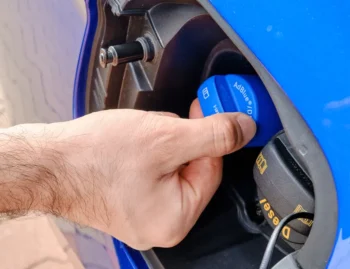
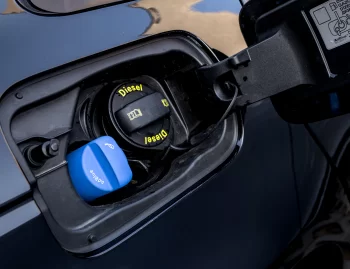
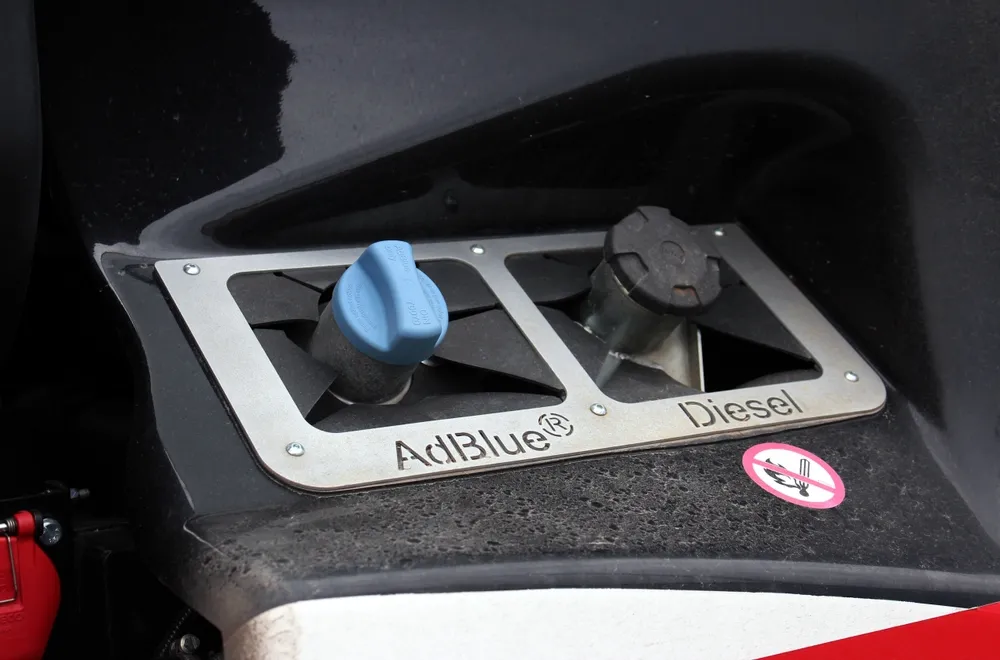
Using the correct DEF is the first step when a low-level warning appears. DEF should never be poured into the diesel tank, and diesel fuel should never enter the DEF tank. Clean, properly manufactured fluid helps protect the SCR system and supports reliable operation. Azure Chemical offers Diesel Exhaust Fluid 32 DEF for standard DEF applications where quality and consistency matter.
Diagnose The Actual SCR Fault
If the tank is full but the warning remains, a technician should scan the vehicle for fault codes and inspect the SCR system. Common issues may involve the DEF level sensor, NOx sensor, DEF pump, dosing injector, tank heater, wiring, crystallization, or contaminated fluid. Repairing the true fault is safer and more reliable than bypassing the system.
Ask About Approved Software Updates
Some diesel equipment may be eligible for manufacturer-approved software updates related to DEF system warnings or derates. These updates should come from the manufacturer or authorized service channels, not from delete tuners or unauthorized bypass tools.
Common AdBlue Removal Myths
Adblue removal is surrounded by misinformation. Understanding the common myths helps owners make better decisions before committing to a risky modification.
Myth: AdBlue Removal Always Improves Performance
Some drivers believe removing DEF automatically improves fuel economy or power, but this is not guaranteed. Modern diesel engines are engineered to work with emissions systems, and improper software changes can create drivability issues, fault codes, overheating concerns, or long-term reliability problems.
Myth: DEF Is A Fuel Additive
DEF is not a diesel additive. It does not go into the fuel tank and does not burn in the engine. It belongs in a separate DEF tank and works in the exhaust after combustion. Confusing DEF with fuel additives can lead to expensive contamination damage.
Myth: A Deleted Vehicle Is Easier To Own
A deleted vehicle may create hidden costs through inspection failure, warranty loss, diagnostic issues, resale difficulty, and compliance risks. For many owners, proper DEF system maintenance is simpler and safer than trying to manage the consequences of removal.
How Quality DEF Helps Prevent AdBlue System Problems
Adblue removal is sometimes considered after repeated system faults, but poor DEF handling can be part of the problem. Using reliable DEF and storing it correctly can reduce avoidable issues.
DEF Purity Matters
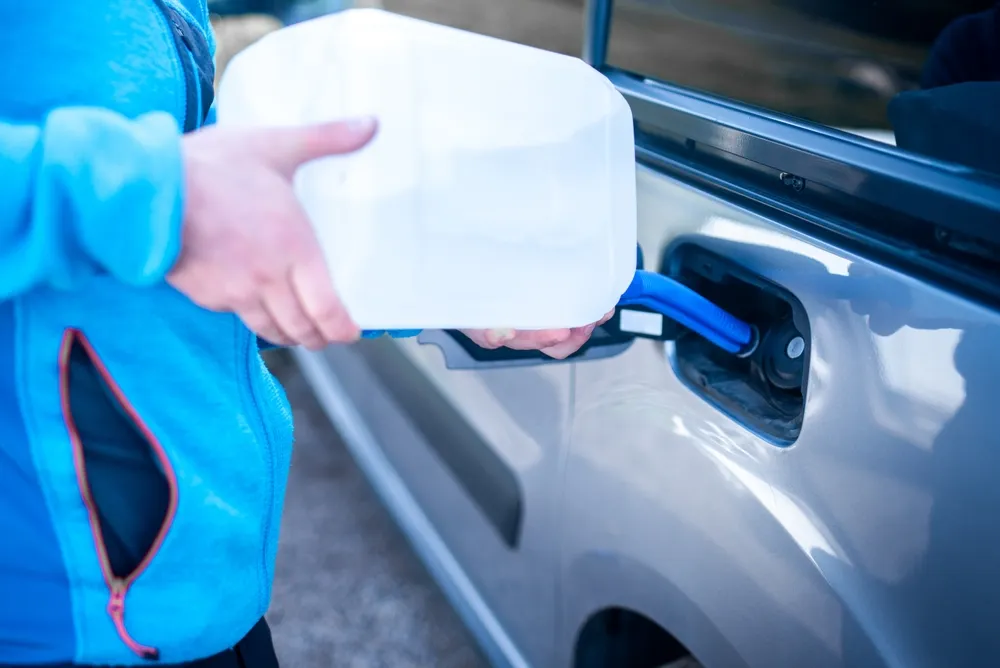
DEF must be clean and properly formulated because SCR systems are sensitive to contamination. Dirt, fuel, oil, tap water, coolant, or reused containers can introduce impurities that affect sensors, pumps, and dosing components. High-quality DEF helps support stable system operation.
Storage And Handling Matter Too
DEF should be stored in sealed containers, away from direct sunlight, extreme heat, and contamination. Clean pumps, tanks, and dispensing equipment are especially important for fleets. Azure Chemical’s DEF solutions are built around dependable supply, proper handling, and product consistency for diesel operators.
AdBlue Removal Concerns For Fleets And Heavy Equipment
Adblue removal can be especially risky for fleets, construction vehicles, agricultural equipment, and commercial diesel operations. One disabled vehicle may seem manageable, but repeated compliance or downtime issues can affect the entire operation.
Fleet Compliance And Uptime
Fleet managers need vehicles that can pass inspections, meet emissions requirements, and stay in service. Instead of adblue removal, fleets should focus on quality DEF supply, driver training, maintenance schedules, and early warning diagnostics. Azure Chemical supports DEF needs for diesel urea and the trucking industry with supply solutions designed for commercial operations.
Construction And Off-Road Equipment
Construction vehicles and off-road diesel equipment may also use SCR systems. In harsh jobsite conditions, DEF contamination, poor storage, and delayed refills can lead to avoidable warnings. Using clean DEF and proper dispensing practices is especially important for equipment that works in dust, heat, and heavy-duty environments. Azure Chemical also supports AUS 32 DEF for construction vehicles for demanding applications.
What To Do Before Considering AdBlue Removal
Before making any decision about adblue removal, owners should take a step-by-step diagnostic approach. This protects the vehicle, reduces legal risk, and may solve the issue without major modifications.
Check DEF Level And Quality First
Start with the basics. Confirm the DEF tank has enough fluid, verify the fluid is fresh and clean, and make sure the correct product was used. If DEF has been stored poorly or poured from a contaminated container, replacing the fluid may be part of the solution.
Review Fault Codes With A Qualified Technician
A professional diagnostic scan can identify whether the issue is related to sensors, wiring, dosing, heating, catalyst efficiency, or fluid quality. Guessing often leads to unnecessary costs, while diagnostics help pinpoint the actual repair path.
Use Compliant Repair Solutions
A compliant repair keeps the emissions system functioning properly. Owners should avoid delete kits, emulator devices, unauthorized tuning, or software designed to bypass emissions controls. The safest path is to restore the DEF and SCR system to proper working condition.
FAQ
What Is AdBlue Removal?
AdBlue removal usually means disabling, bypassing, or deleting the DEF or SCR emissions system on a diesel vehicle.
Is AdBlue Removal Legal?
In many regulated markets, disabling emissions-control systems is illegal or can create serious compliance problems. Vehicle owners should follow federal, state, and local requirements and use compliant repairs.
Does AdBlue Removal Improve Fuel Economy?
Not reliably. Fuel economy depends on engine condition, load, driving style, maintenance, and system calibration. Unauthorized removal can create more problems than it solves.
What Should I Do Instead Of AdBlue Removal?
Refill with quality DEF, check for contamination, scan for fault codes, repair the failed component, and ask about manufacturer-approved updates if applicable.
Can Poor DEF Cause SCR Problems?
Yes. Contaminated, old, or improperly stored DEF can trigger warning lights and affect SCR system performance.
Conclusion
Adblue removal may seem like a quick answer to warning lights, derates, or refill frustration, but it can create legal, mechanical, warranty, inspection, and resale problems. In most cases, the smarter approach is to keep the DEF and SCR system working correctly through proper diagnosis, clean fluid, reliable storage, and compliant repairs.
At Azure Chemical, we help diesel operators avoid unnecessary DEF system problems by supplying dependable fluid solutions built around quality, consistency, and proper handling. Whether you operate trucks, heavy equipment, or diesel vehicles, Azure Chemical provides reliable DEF supply to support SCR system performance, emissions compliance, and long-term vehicle reliability.