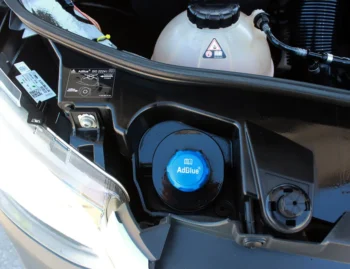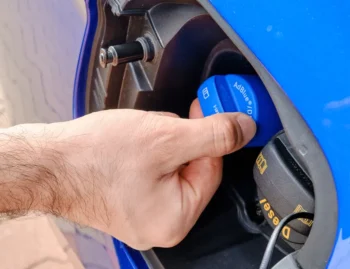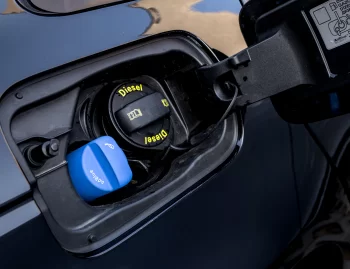
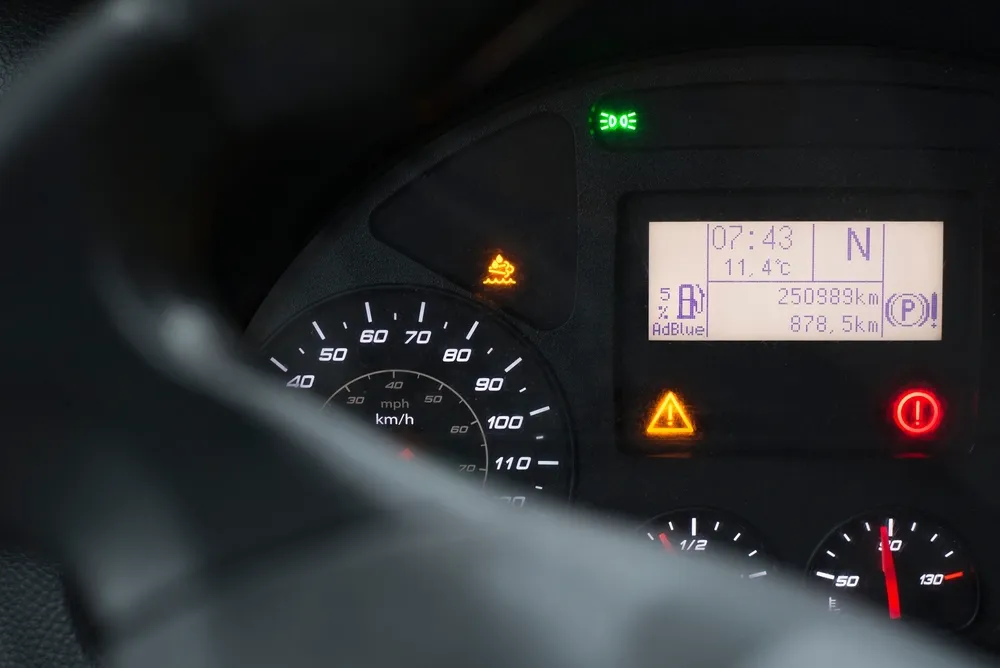
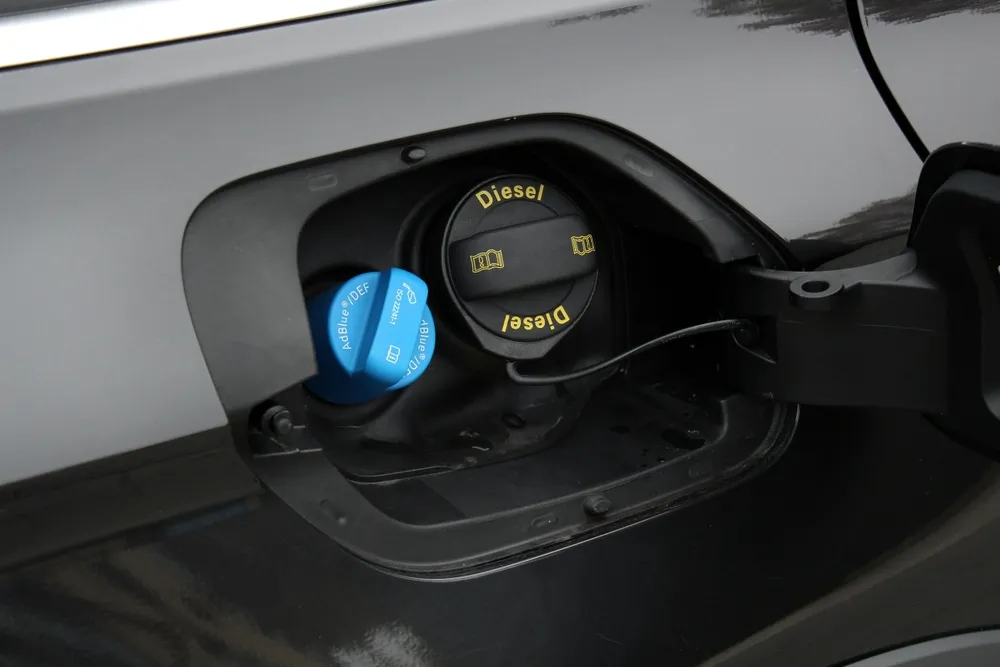
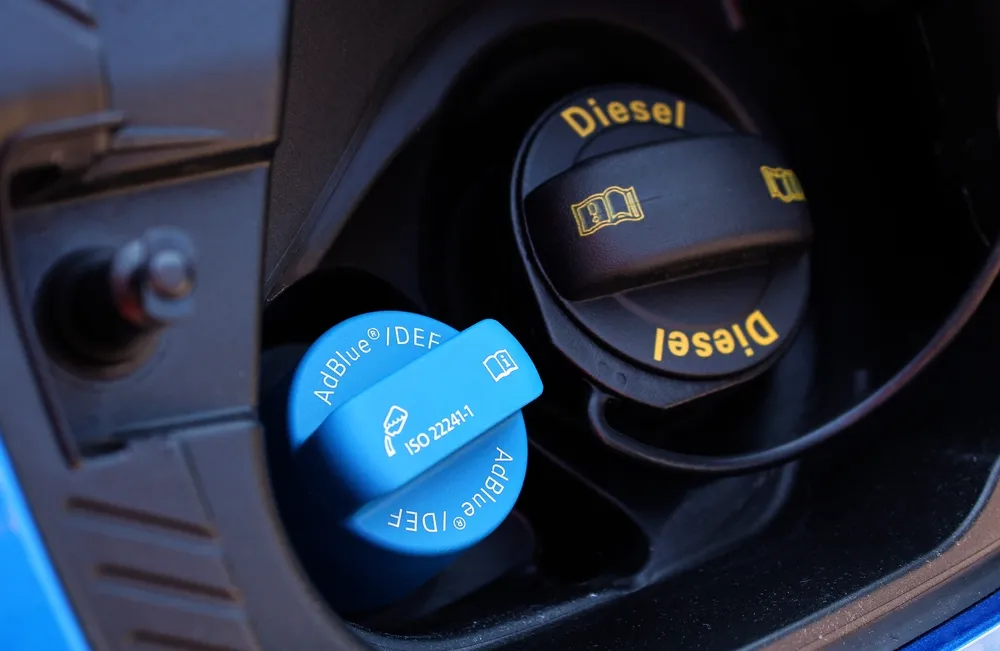
AdBlue is not a fuel additive and should never be poured into the diesel tank. It belongs in a separate DEF tank and supports the emissions system by helping reduce nitrogen oxide emissions. When the indicator appears, the safest first step is to check the DEF level, review the dashboard message, and follow the vehicle manufacturer’s instructions before continuing to drive long distances.
Contents
- 1 Why Is My AdBlue Indicator On In The First Place?
- 2 What AdBlue Does In A Diesel Vehicle
- 3 Common Dashboard Messages Linked To The AdBlue Indicator
- 4 What To Do When The AdBlue Indicator Comes On
- 5 Can You Keep Driving With The AdBlue Indicator On?
- 6 Two Additional Causes Drivers Often Overlook
- 7 How DEF Storage And Handling Affect Warning Lights
- 8 AdBlue Indicator Issues For Fleets And Heavy-Duty Vehicles
- 9 FAQ
- 10 Conclusion
Why Is My AdBlue Indicator On In The First Place?
If you are asking why is my adblue indicator on?, the most common reason is that the DEF level is low.
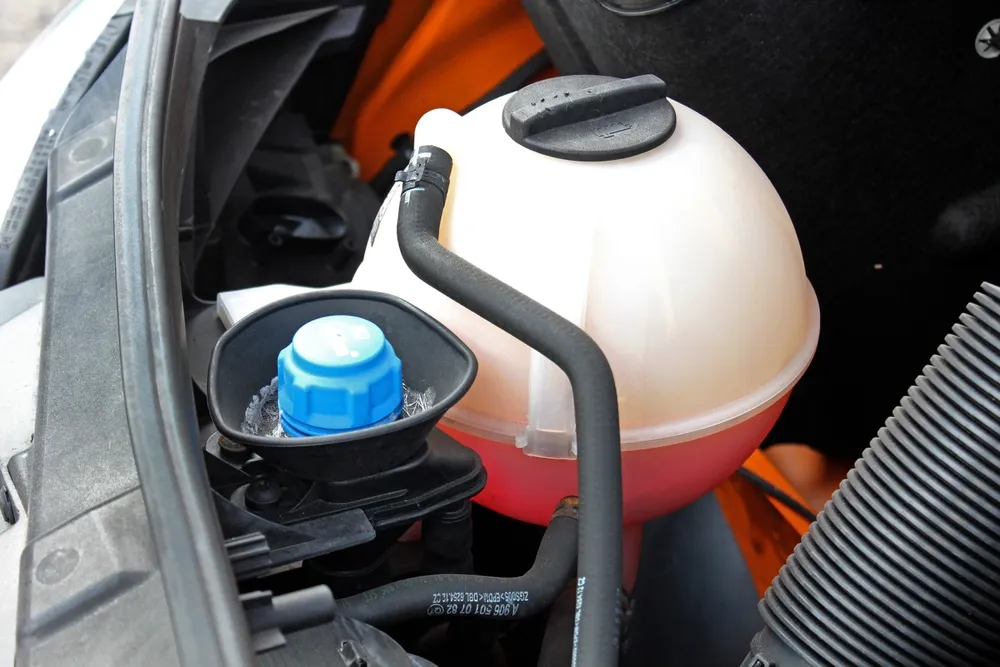
However, the indicator can also appear because of poor fluid quality, contaminated DEF, sensor problems, dosing system issues, or a fault inside the SCR emissions system.
Low DEF Level
The most common cause of an AdBlue indicator is a low DEF tank. Most modern diesel vehicles give several warnings before the tank becomes empty. These warnings may show remaining miles, a refill message, or a countdown before restart restrictions occur. Refilling the DEF tank with the correct fluid often clears the warning after the system recognizes the new level.
Empty DEF Tank
If the DEF tank becomes completely empty, many vehicles will eventually limit performance or prevent restart after the engine is turned off. This is designed to keep the emissions system compliant. If the dashboard warns that restart will not be possible, refill the tank as soon as possible and avoid waiting until the last warning.
Incorrect Or Contaminated DEF
The AdBlue indicator may also turn on if the vehicle detects poor-quality or contaminated DEF. DEF must meet strict purity requirements to protect the SCR system. Dirt, fuel, coolant, tap water, or the wrong chemical can trigger warnings and may damage components. Reliable Diesel Exhaust Fluid 32 DEF helps support proper SCR operation when used and stored correctly.
What AdBlue Does In A Diesel Vehicle
To understand why is my adblue indicator on?, it helps to know what AdBlue does. AdBlue, commonly called DEF in the United States, works in the exhaust system rather than the engine’s fuel system.
AdBlue Supports The SCR System
AdBlue is injected into the exhaust stream, where it works with the selective catalytic reduction system to reduce nitrogen oxide emissions. It does not increase engine power, clean injectors, or mix with diesel fuel. Its role is emissions control, which is why the dashboard warning is connected to the vehicle’s aftertreatment system.
DEF Quality Matters
DEF is typically made from high-purity urea and deionized water. The American Petroleum Institute DEF program explains that DEF quality standards are important for protecting SCR-equipped vehicles. Poor-quality DEF can lead to warning lights, fault codes, and reduced system reliability.
Common Dashboard Messages Linked To The AdBlue Indicator
When drivers search why is my adblue indicator on?, they are often seeing more than just a light. The message shown with the indicator can help identify how urgent the issue is.
Refill AdBlue Or DEF Soon
This message usually means the DEF level is low but not yet critical. In this stage, the vehicle may continue operating normally, but you should refill the DEF tank soon to avoid stronger warnings. Waiting too long can lead to a countdown or restart restriction.
No Restart In A Certain Number Of Miles
This warning is more urgent. It means the vehicle may not restart after the displayed mileage unless the DEF issue is corrected. In many cases, refilling the tank with the correct DEF solves the issue, but if the tank is already full, the problem may involve a sensor or SCR fault.
DEF Quality Or SCR Fault Warning
A DEF quality message may appear when the system detects fluid that does not meet expected standards or when sensors report abnormal readings. An SCR fault warning may point to a dosing injector, NOx sensor, DEF pump, tank heater, wiring issue, or catalyst problem.
What To Do When The AdBlue Indicator Comes On
If you are wondering why is my adblue indicator on?, avoid guessing. The right response depends on the message, fluid level, and whether the vehicle has reduced power or displayed a restart countdown.
Check The DEF Level First
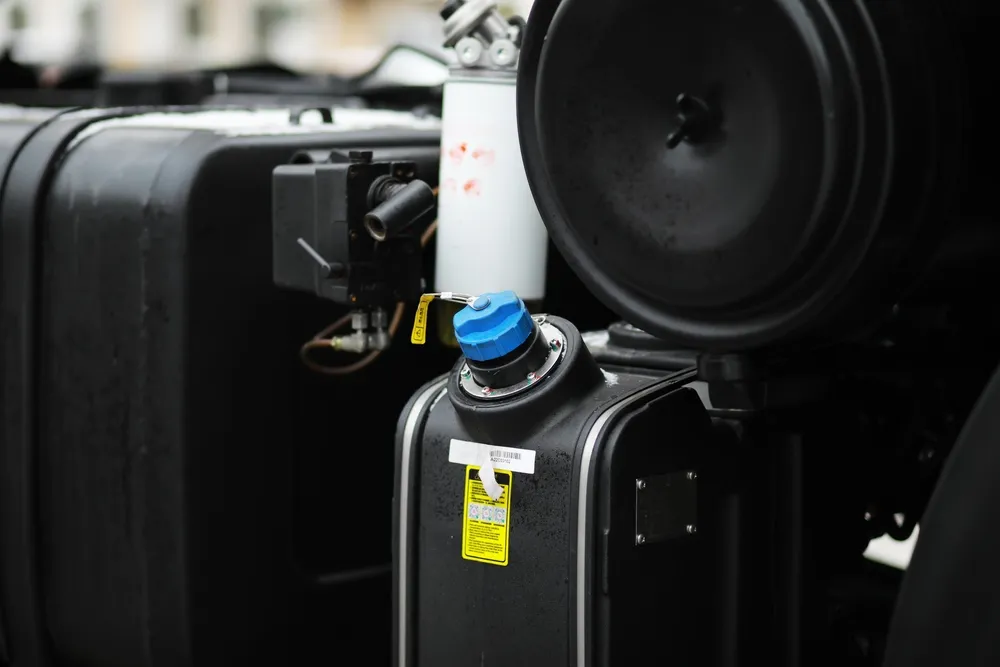
Start by checking whether the DEF tank is low. Use only the correct DEF specified by the vehicle manufacturer. After refilling, some vehicles need a few minutes, a short drive, or a restart cycle before the warning clears. Do not overfill if your vehicle manual warns against it.
Read The Owner’s Manual
Different manufacturers use different dashboard messages and restart rules. The owner’s manual explains the correct refill location, fluid specification, tank capacity, and warning stages. This is one of the best ways to avoid putting DEF in the wrong tank or misreading the warning.
Schedule Service If The Warning Stays On
If the AdBlue indicator remains on after refilling with the correct DEF, the vehicle may need diagnostic service. A technician can scan fault codes and inspect the SCR system, sensors, pump, injector, tank heater, and wiring. Continuing to drive with unresolved emissions-system warnings can lead to derates or restart restrictions.
Can You Keep Driving With The AdBlue Indicator On?
Many drivers ask why is my adblue indicator on? because they want to know whether the vehicle is safe to drive. In many cases, you can continue driving for a limited distance, but the warning should be handled quickly.
Low-Level Warnings Usually Give You Time
A low DEF warning typically gives advance notice before the tank is empty. This gives drivers time to refill before restrictions begin. However, treating the warning as optional can lead to avoidable downtime.
Severe Warnings Can Limit Vehicle Operation
If the dashboard shows a countdown, restart warning, or reduced power message, the situation is more serious. The EPA’s Diesel Exhaust Fluid guidance discusses DEF-related system management and how vehicle inducements can affect operation when DEF problems are not corrected. Drivers should address these warnings quickly to avoid being stranded.
Two Additional Causes Drivers Often Overlook
The question why is my adblue indicator on? is not always answered by simply topping off the tank. Some less obvious causes can trigger the same warning even when DEF is present.
DEF Crystallization Around The Filler Neck
DEF can leave white crystalline deposits when it dries. Small deposits near the filler neck are common, but heavy buildup around caps, sensors, or dispensing areas may suggest spills, poor sealing, or handling issues. Clean the area carefully and avoid allowing dried crystals or dirt to fall into the DEF tank.
Cold Weather And DEF Tank Heater Problems
DEF can freeze in very cold temperatures. Vehicles are designed with systems to thaw DEF as needed, but a tank heater or related component failure may trigger warning lights. If your indicator appears during cold weather and does not clear, the heating system may need inspection.
How DEF Storage And Handling Affect Warning Lights
If you are asking why is my adblue indicator on? after recently refilling, the DEF itself or the way it was stored may be part of the problem. Clean handling is essential because SCR systems are sensitive to contamination.
Avoid Dirty Funnels And Open Containers
DEF should be kept clean from the container to the tank. Dirty funnels, open jugs, reused containers, or contaminated dispensing equipment can introduce particles or chemicals into the fluid. Even small contamination can lead to sensor issues or SCR system faults.
Store DEF Away From Heat And Direct Sunlight
DEF should be stored in clean, sealed containers away from extreme heat, direct sunlight, and incompatible materials. Poor storage can reduce quality and create problems after the fluid is added to the vehicle. Azure Chemical’s DEF solutions are built around dependable supply, quality handling, and consistent product performance for diesel operators.
AdBlue Indicator Issues For Fleets And Heavy-Duty Vehicles
For commercial operators, why is my adblue indicator on? is more than a dashboard question. It can affect uptime, delivery schedules, driver productivity, and maintenance planning.
Fleet Vehicles Need Consistent DEF Supply
Trucking, construction, agriculture, and marine operations rely on DEF availability to keep equipment running. A single vehicle warning can become a larger operational issue if drivers do not have access to quality DEF when they need it. Azure Chemical supports DEF needs in the trucking industry with supply options designed for commercial diesel operations.
Heavy Equipment May Show Similar DEF Warnings
Construction and off-road diesel equipment may also use DEF and SCR systems. When indicators appear on heavy equipment, the cause may be low DEF, poor fluid quality, storage contamination, or a system fault. For demanding jobsite environments, Azure Chemical’s support for AUS 32 DEF for construction vehicles helps operators keep clean DEF available for working equipment.
FAQ
Why Is My AdBlue Indicator On If The Tank Is Full?
If the tank is full, the warning may be caused by poor DEF quality, contamination, a level sensor issue, a NOx sensor fault, a dosing problem, or another SCR system error.
Will The AdBlue Light Go Off After Refilling?
Often, yes. Some vehicles clear the warning after a short drive, restart cycle, or system reset. If the warning remains, diagnostic service may be needed.
Can I Drive With The AdBlue Warning Light On?
You can usually drive for a limited distance during early warnings, but you should refill or diagnose the issue quickly. Severe warnings may lead to reduced power or no-restart restrictions.
Can I Use Water Instead Of AdBlue?
No. Never use water, fuel additives, or any substitute in the DEF tank. Only use DEF that meets the required specification for your vehicle.
Is AdBlue The Same As DEF?
Yes, AdBlue is a common name for diesel exhaust fluid. In the United States, it is often called DEF, while AdBlue is widely used in other markets.
Conclusion
If you are asking why is my adblue indicator on?, the cause is usually low DEF, but it can also involve poor fluid quality, contamination, sensor faults, cold-weather issues, or SCR system problems. The best approach is to check the DEF level, use only the correct fluid, follow the owner’s manual, and arrange service if the warning does not clear after refilling.
At Azure Chemical, we understand how important clean, reliable DEF is for diesel vehicles, fleets, and heavy-duty equipment. Our focus on quality supply, proper handling, and dependable product consistency helps operators reduce avoidable warning lights and keep SCR systems supported. For trusted fluid solutions built for modern diesel operations, explore Azure Chemical’s high-quality DEF supply.